










Standalone harness

Teching In
Joined: Sep 2009
Posts: 33
Likes: 0

The fact that an aftermarket company makes it doesn't make it perform any better however, they can make it fit your application better physically and without extra wires that aren't being used.
Aftermarket harnesses are generally easier to install and figure out since everything is labeled and it comes with instructions, whereas with a stock harness, you have to figure everything out. But everything is basically a one-off plug, so even that isn't very difficult. The difficulty arises when trying to figure out which wires are needed and which aren't and which ones need to be adapted to the car the harness is going into.
I know on an LT1 harness, there are only a few wires that connect the harness to the car.
12v hot all the time
12v with ignition
VSS signal - to speedo
PNP signal - to park/reverse switch
Tach wire - to tach
Oil pressure wire - to gauge
Water temp wire - to gauge
Ground - to ground
Fan signal - to fan relay
Fuel pump signal - to fuel pump relay
The rest either go to a sensor on the engine/tranny, to a plug into the pcm, or to the ODBII diagnostic port.
If you take time to study and familiarize yourself with a schematic, which you really should do if you are swapping an efi engine, the rest is just work.
Basically what you're paying for in an aftermarket harness is the labor and materials to build it, not a performance upgrade.
This is who I used, hell of alot cheaper then some of these companies out there. High quality wiring and have had no issues. You should give him a call his name is Robert.
www.ls1wiringharness.com Sometimes he does e-bay auctions his store name is fuelinjectionconnection
www.ls1wiringharness.com Sometimes he does e-bay auctions his store name is fuelinjectionconnection
Why did you completely dis-assemble your harness? It' easier just to remove the wires from your PCM connectors that you don't need and back-pull them out of the existing tree structure. It will save you tons of time and not have birds nest.

11 Second Club
iTrader: (20)
Joined: Sep 2002
Posts: 2,684
Likes: 3
From: Albuquerque NM - The Land of 8000ft DA
I'm going to mount the PCM on the inside of the car and run the loom through the firewall.
It's actually not that bad.
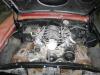
This is what I removed
some of the interior harness and the engine bay harness

I'll post pics of the other stuff I pulled out tomorrow.
Last edited by SScam68; Mar 31, 2010 at 10:34 PM.
LS1 Tech Stories
The Best V8 Stories One Small Block at Time

Gas Monkey Built a 6-Wheel Ferrari Testarossa With a Corvette LT4 Engine
Verdad Gallardo
7 Most Reliable High-Performance Engines GM Has Ever Built
Verdad Gallardo
Amazing '71 Camaro Restomod Is Modern Muscle Car Under the Skin
Verdad Gallardo
6 Common C5 Corvette Failures and What's Involved In Repairing Them
Pouria Savadkouei
Retro Modern Bandit Pontiac Trans AM Comes With Burt Reynolds' Autograph
Verdad Gallardo
Top 10 Greatest Cadillac V Series Performance Models Ever, Ranked
Pouria Savadkouei
Top 10 Most Powerful Chevy Trucks Ever Made!

Hennessey's New Supercharged Silverado ZR2 Has 700 HP
Verdad Gallardo
Coachbuilt N2A Anteros Is an LS2-Powered C6 Corvette In Italian Clothes
Verdad Gallardo
i just got mine in the mail from ls1wiringharness.com $500.00 it looks real nice comes with relays for fans and fuel pump and a fuse pannel all wires are labeled you wont be dissapointed i will try to post pics later


