When you click on links to various merchants on this site and make a purchase, this can result in this site earning a commission. Affiliate programs and affiliations include, but are not limited to, the eBay Partner Network.
[QUOTE=stevieturbo;18556248]Many things affect it, not just runner length, Combustion chamber shape plays a huge part too as does injector spray, location, port shapes, valve shapes etc etc
And if the motor makes the same/more power/torque with less advance, that is always a good thing
We only run advance because combustion is a relatively slow process. If we can speed this process up which in turn means a more controlled burn, that is always good.
As to whether this sort of thing will make more power or not...they'd need to prove it with testing. Most of the OEM testing with that sort of stuff would largely be aimed at emissions rather than power.[/QUOTE]
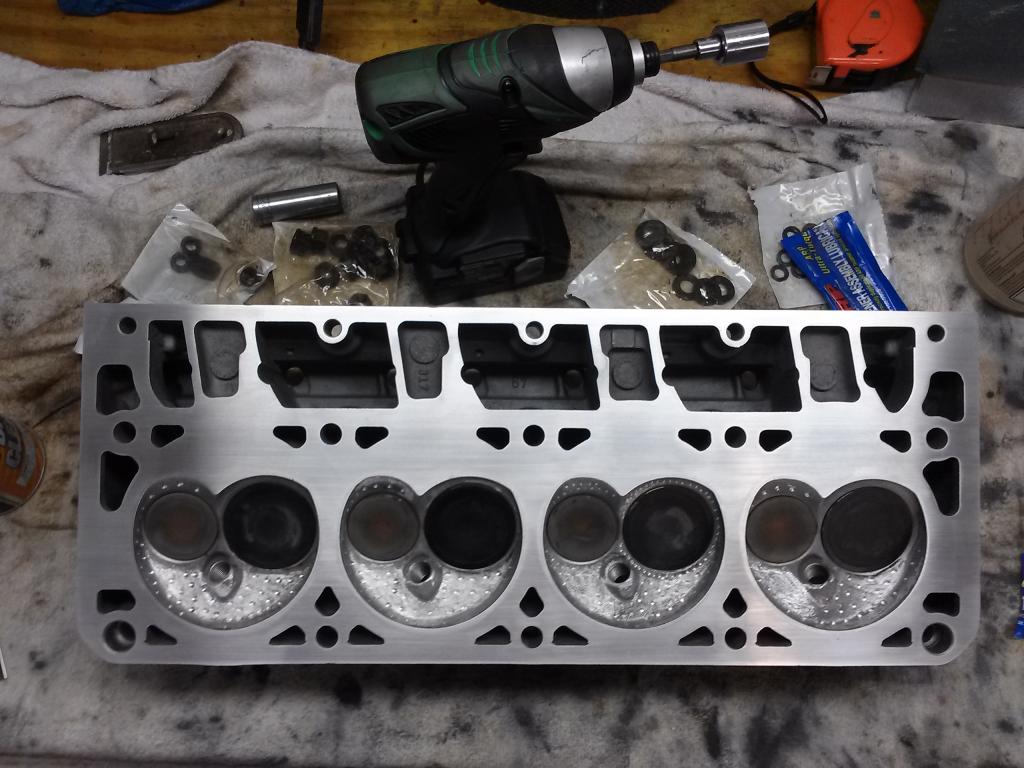
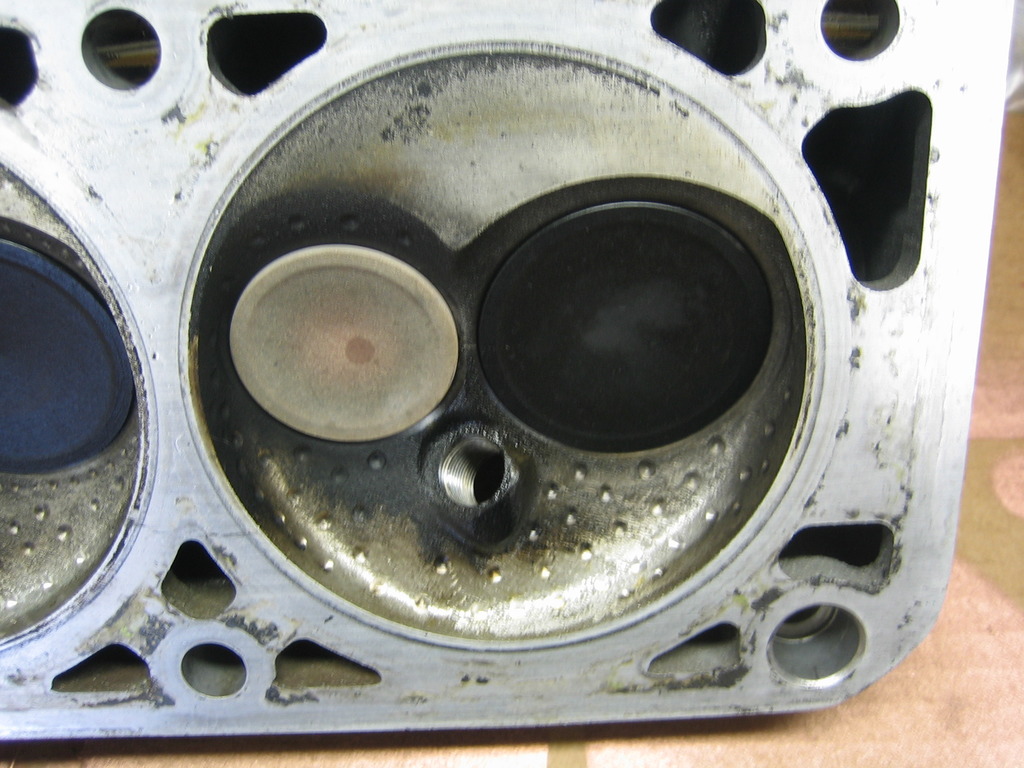
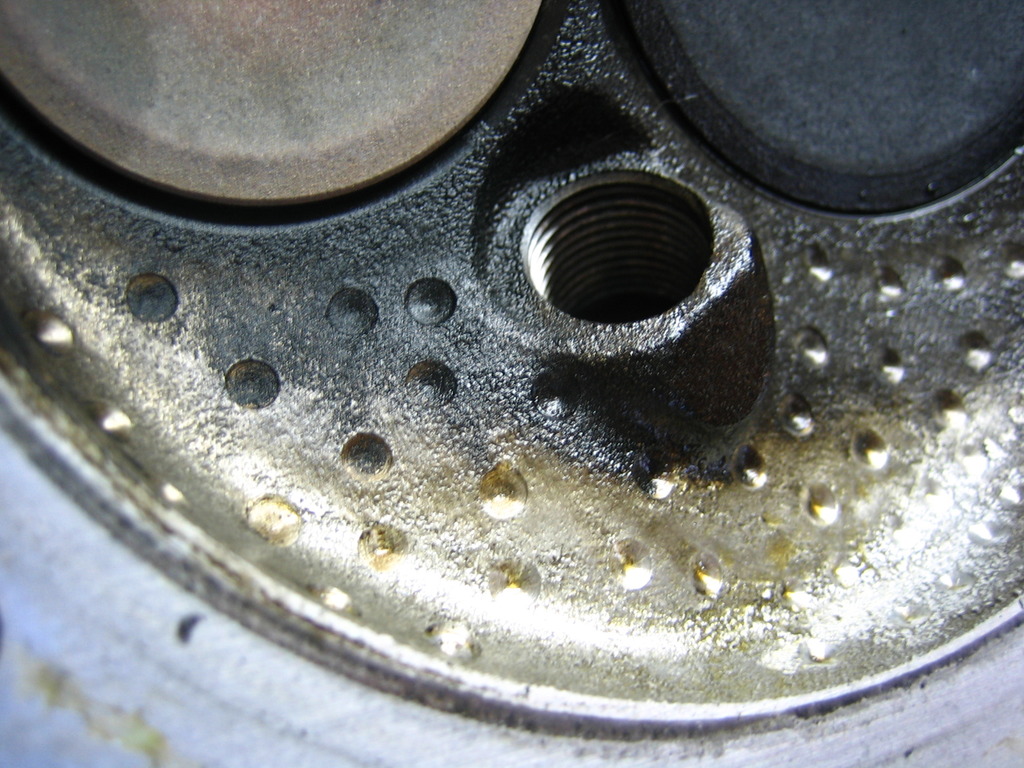
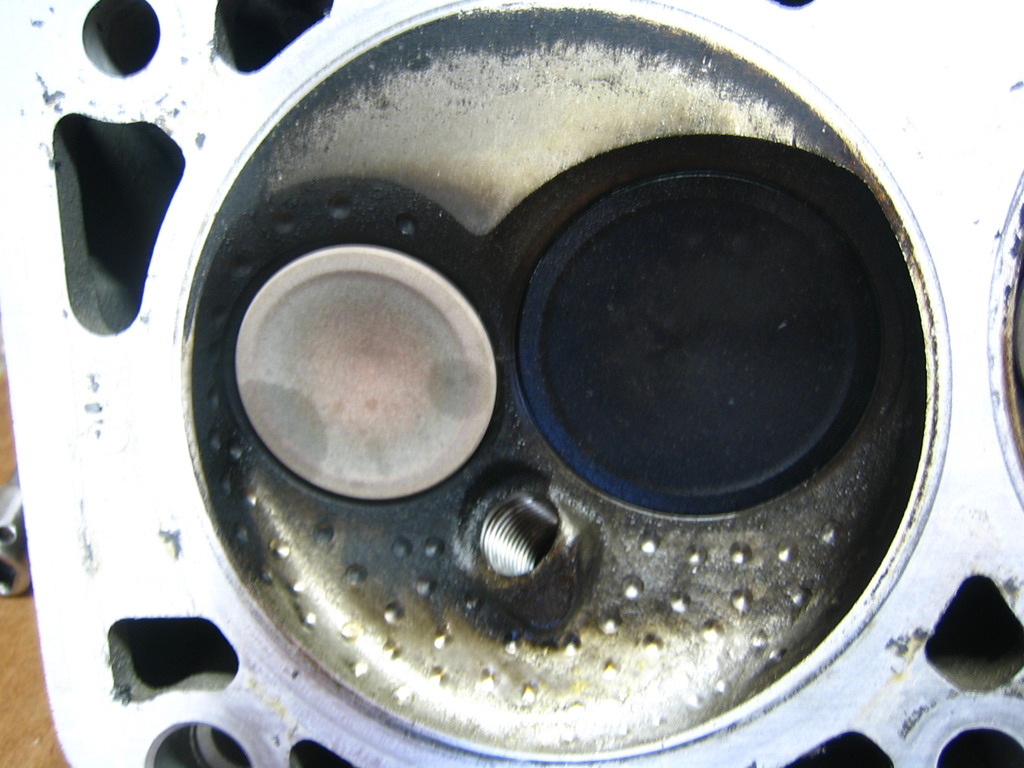
Went ahead and tried this on a mild boosted 370 with factory untouched 317 heads.
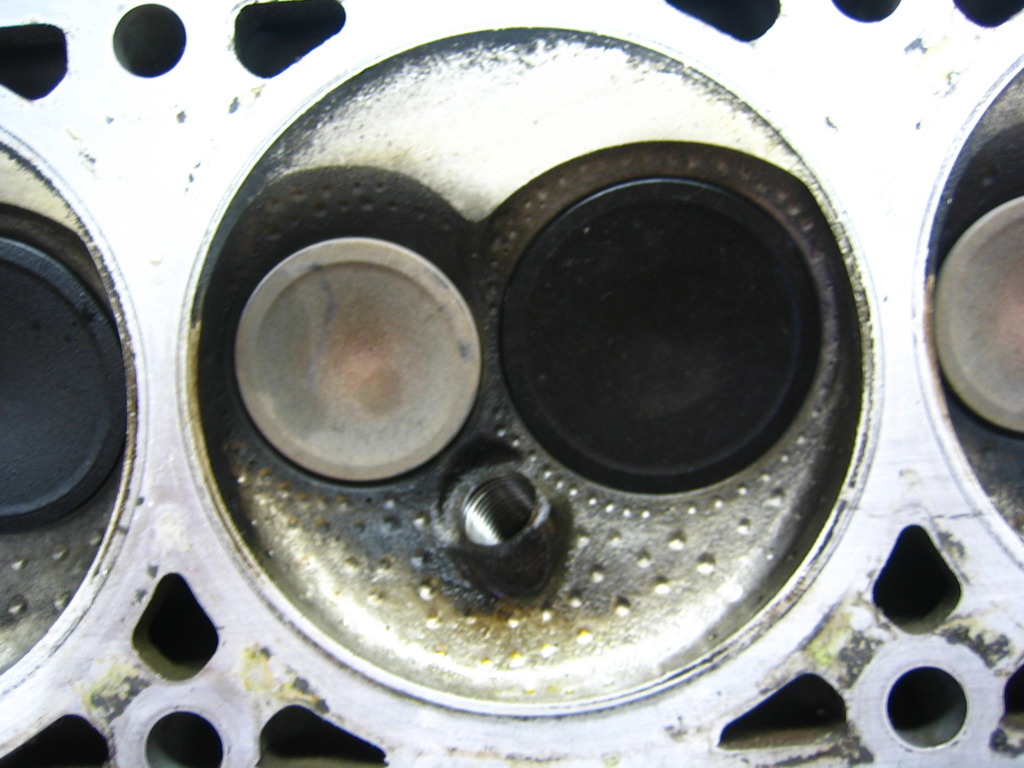
Used a few different dimple patterns and sizes to see if one CC looked better than another afterwards.
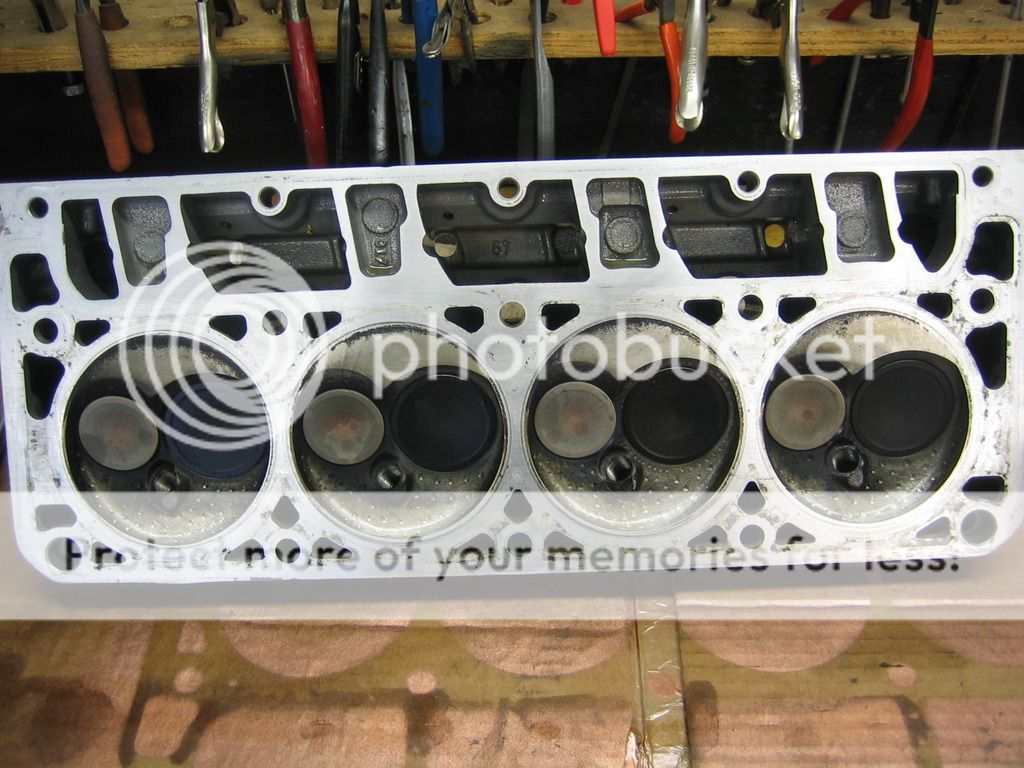
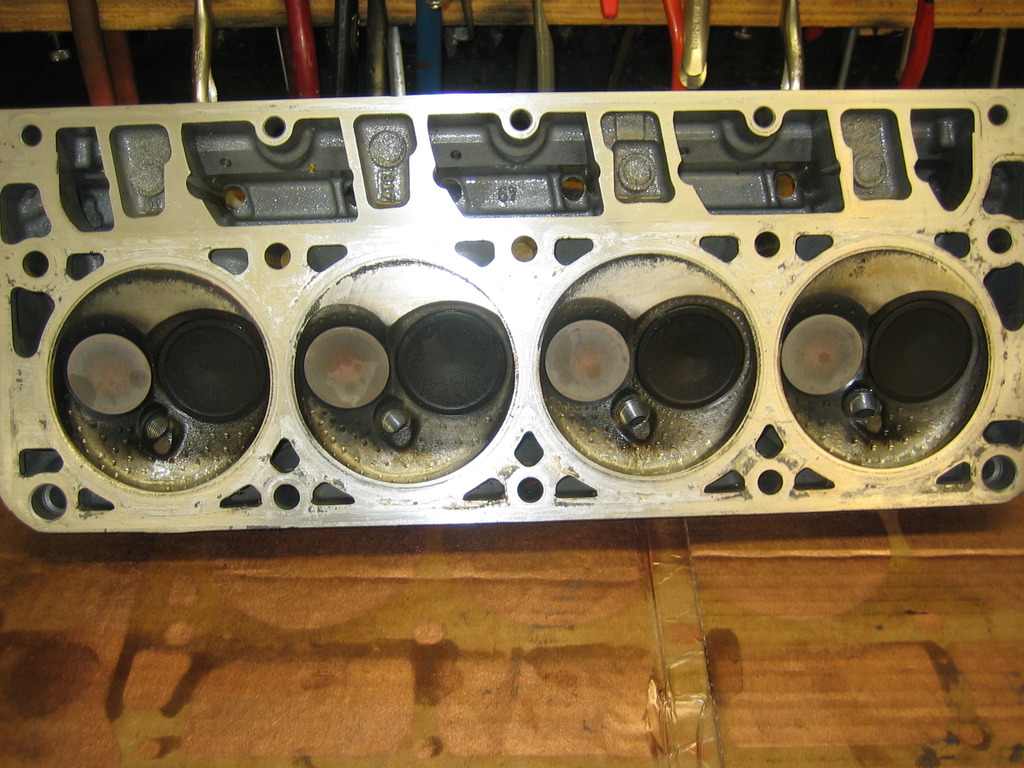
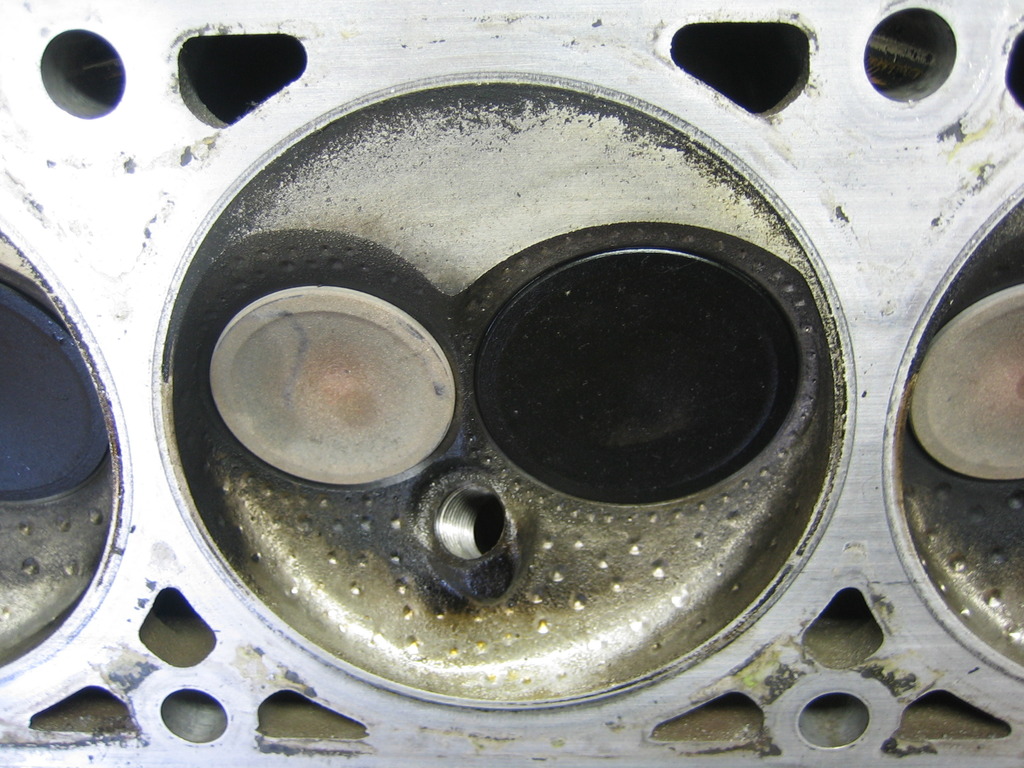
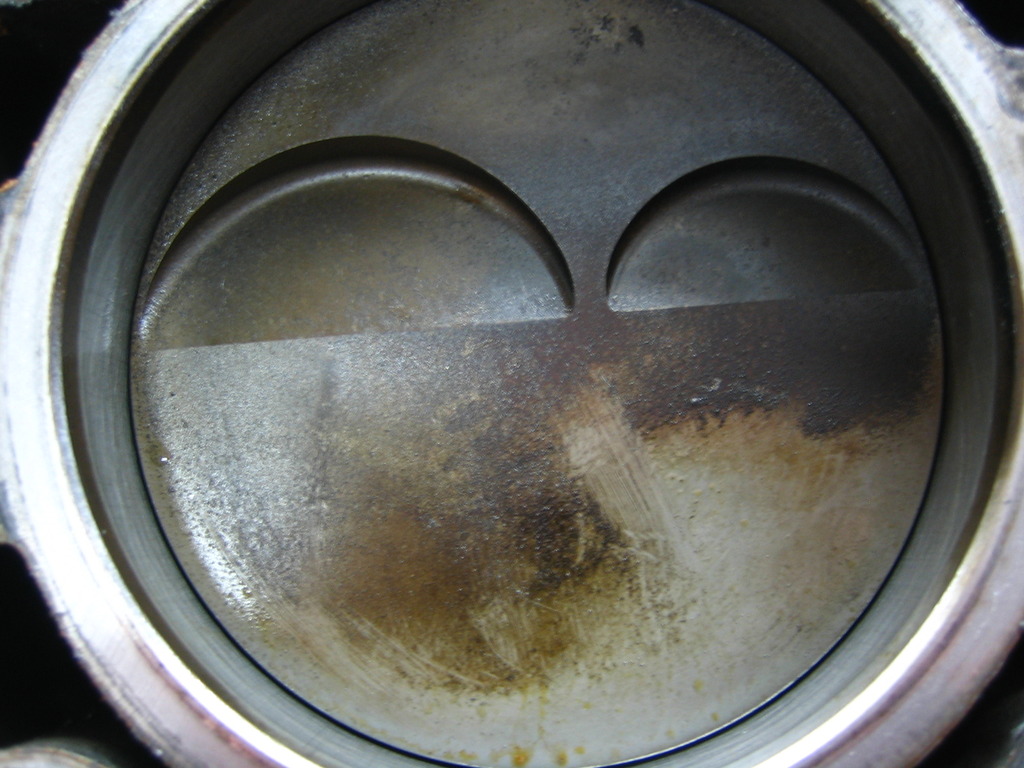
All I can say definitively is it doesn't seem to hurt anything. Had zero knock issues and the idle quality seemed to improve slightly, but I can't verify that. Saw some glitter in the oil recently so I pulled it apart. Here's the CC after a teardown. Plugs always looked great.
Solid Upper 157-159 traps on 18ish lbs and 13* timing at 3100lbs.
BEFORE
I don't see anything revealing in these CC photos. Does anyone else?
The Wing in the intake port on the LS-7 head did nothing for swirl. But it made a lot of tumble. By looking at the wing in the port you think it was the other way around but it was not.
Think this gives less of a “golf ball effect” and more of a “spoon under the faucet effect” on the fuel/air entering the head. If you had an ideal “race” port design something like this wouldn’t be necessary and would actually hurt overall performance. That’s why we don’t see it in competitive race classes. But when you are dealing with OEM castings I think the data in the links to prove it is slightly beneficial.
Also pretty confident that if I were to slap an unmodified head back on with no changes I probably wouldn’t see any noticeable performance gains at the track. I really do feel it helped with idle in my particular situation (160lb “squirt gun” injectors with poor atomization to start with) Anything you can do to put separated fuel back into the air stream should be beneficial, so I’d guess it has to help fuel efficiency in most circumstances.
Running alky based fuels there’s a higher volume of fluid in the CC’s, so I’d think this would be worthwhile for the time/effort it takes. Even if the better idle quality is the only noticeable gain.
Last edited by Forcefed86; Jul 20, 2016 at 12:40 PM.
With respect to fluid flow, the dimples have an effect on the boundary layer. Which is the air that is not in the stream, but very close up against the object.
golf ***** are dimpled to tip the boundary layer(flow goes turbulent) at a lower velocity(Reynolds #) and therefore have less friction in the air. The other befit is to drag a smaller low pressure zone behind it since the flow is turbulent it doesn't stick to the ball as well. All things added up, making the ball fly further with the same input energy.
Saying that the dimples make the port velocity go turbulent is a false/misleading statement. The fluid flow through the port(free stream) is going be unaffected. The boundary layer will be effected. The boundary layer will move from laminar to turbulent easier and quicker, and therefor cut down on the amount of (skin) friction that the flow sees against the port wall.
the dimple effect is not going to cause major changes because again it just modifies the boundary conditions, not the conditions through the entire flow. also the effects of dimples on a golf ball are much more pronounced than on a head port because the ball is moving through the fluid(air) where in a head the fluid is moving along the head port.
Basically the golf ball creates and drags a region of low pressure behind it. The most significant force it deals with in aerodynamics is not the skin friction of the air on the ball but the unbalanced forces of higher pressure in the front the ball and low pressure behind the ball.
I would imagine racing teams have investigated with dimples and other surface finishes and probably determined the fruit wasn't worth the squeeze. OR that it wasn't very tunable and its benefits were only there at a narrow window. Things like intake runner design and exhaust header design are much more important than some dimples in a port.
Now maybe it helps with cylinder head swirl but I couldn't imagine how. Again, when just the boundary layer is changed I can't imagine the entire flow volume is changed. That's a ton of momentum to play with using very small pieces of geometry.
We aren’t talking about dry air flow or boundary layers in a combustion chamber. There is fuel in the mix. The dimples simply help push the separated fuel back into the air stream, causing a more complete/efficient burn.
What I dont like about the drilling done on the pistons is they are creating stress risers. Even a scratch is a stress riser. All sharp edges or valleys in a groove or any geometry should not have a sharp termination to it. Meaning the highs and lows of the geometry change should be smooth transitions. Sharp transitions like drilling and scratches can cause cracks to want to propagate.
I don't see this having a negative affect. You'd be surprised what actually works. I specifically remember a mythbusters episode where they take a car and get a base test for drag and efficiency (mpg), then take the same car and add a **** ton of clay to it and carve out a golf ball surface (dimpled) and even with the added weight of all the clay the cars efficiency and drag was reduced noticeably.
I would be weary of doing it in the champer/piston only due to all the edges to get super heated and cause issues. but in the runners I would see it being viable.
The reality is this type of thing is only band-aids to much larger energy conversion issues.
[QUOTE=LASTLS1;18559375]
Originally Posted by stevieturbo
Many things affect it, not just runner length, Combustion chamber shape plays a huge part too as does injector spray, location, port shapes, valve shapes etc etc
And if the motor makes the same/more power/torque with less advance, that is always a good thing
We only run advance because combustion is a relatively slow process. If we can speed this process up which in turn means a more controlled burn, that is always good.
As to whether this sort of thing will make more power or not...they'd need to prove it with testing. Most of the OEM testing with that sort of stuff would largely be aimed at emissions rather than power.[/QUOTE]
That's what I was wondering right off the bat.
Part in bold:
The required ignition advance for max power is primarily impacted by chamber shape, vaporization, homogenization, distribution & initial kernal development.
Typical propogation rates are a much slower bell curve than they should be. Increased dynamic compression aids in the transient combustion rate, but other stuff has to be right.
The bottom line is laminar propogation is the key, not non-laminar. If non-laminar propogation shows increases in compbustion efficiency then the vaporization, homogenization & distribution are bad enough this turbulence aids in proximity.
Gas Monkey Built a 6-Wheel Ferrari Testarossa With a Corvette LT4 Engine
Slideshow: The controversial Ferrari F6 swaps its original flat-12 for a Corvette Z06-derived LT4 V8 and sends power to four rear wheels through a custom-built drivetrain.
7 Most Reliable High-Performance Engines GM Has Ever Built
Slideshow:These GM engines didn't just make huge power, they survived abuse, boost, track days, and six-digit mileage with a reputation for refusing to quit.
6 Common C5 Corvette Failures and What's Involved In Repairing Them
Slideshow: From wobbling harmonic balancers to failed EBCMs, these are the issues that define long-term C5 ownership and what repairs typically involve.
Retro Modern Bandit Pontiac Trans AM Comes With Burt Reynolds' Autograph
Slideshow: A modern Camaro transformed into a retro icon, this limited-run "Bandit" build blends nostalgia with brute force in a way few revivals manage.
Top 10 Greatest Cadillac V Series Performance Models Ever, Ranked
Slideshow: Cadillac didn't just crash the high-performance luxury vehicle party, it showed up loud, supercharged, and occasionally a little unhinged...