


IAT WITH/WITHOUT for TURBO CAR


This should help with timing numbers

When EGT gets too high, parts can melt/warp/crack. I am usually looking for turbine temperatures around 1140*F on 100hp/cyl applications, every engine is different though but that is a very nice safe number for pump gas, placement varies and so do sensors. If you had parts capable of running higher temps then the limiting factor would be the fuel.

When EGT gets too high, parts can melt/warp/crack. I am usually looking for turbine temperatures around 1140*F on 100hp/cyl applications, every engine is different though but that is a very nice safe number for pump gas, placement varies and so do sensors. If you had parts capable of running higher temps then the limiting factor would be the fuel.
Last edited by kingtal0n; Dec 4, 2015 at 04:40 PM.




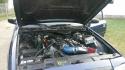
I simply mean the the only place temperature rise occurs on a running engine to a significant degree that it heats up the engine components and water jackets is from the combustion chamber. We are not concerned with the heat produced by compressing air for two reasons, A: there is nothing we can do about it, as it is part of the inherent operation of the turbocharger we chose, so if the iat generated is no sufficient then our turbocharger choice is mismatched, and B: with the necessary intercooling precautions (match the intercooler or other temperature control devices to the application) the IAT will not get out of hand, so in both A and B we see that our choices are what dial in the IAT coming off the compressor and it is our job to match the quality of fuel to the expected performance of our intercooler and engine design (compression/chamber). Temperature rise from turbochargers do not contribute to coolant temperature the way combustion does. It may represent an additional load on the cooling system after a certain amount of operating since they dramatically increase engine performance which results with higher temperatures all around, so having an adequate cooling system and plenty of fans and planned air pathways is absolutely essential to maximizing the performance of your vehicle, especially turbo vehicles, control those temperature gradients and it will bring you one step closer to victory. Temperature that is working it's way from the combustion chamber to the exhaust to the engine bay even if it was negligible is only one pathway for temperature rise, we should not ignore other pathways, since the intake manifold is also bolted to the engine near the combustion chamber it too increases in temperature for the same reason the engine bay does- temperature rise started in the combustion chamber and radiated out. If we could, we would contain it completely, and none would ever make its way up into the intake manifold or engine bay. This is why coatings/wraps are a good thing on the hot exhaust side. Temperature increase by turbocharger compressor is usually 100*F or less (pump gas), whereas combustion temperatures might be 1500*F. The amount radiated depends on the materials of the exhaust, coated and wrapped exhaust systems radiate less heat, and compressor maps vary from turbo to turbo so the temperature rise depends on (turbo selection vs engine volume flow rate) and (materials of the exhaust system) in order to make a valid comparison of which one is responsible for what. In general we prefer to prepare the engine as budget allows since we already know the best way to do things i.e. blanket the exhaust, coatings, shields, and control the IAT dont let the IAT control you.
Last edited by kingtal0n; Dec 4, 2015 at 10:21 PM.









