



Help with oil viscosity???


Man... so much misinformation in here. The oil you use is going to be based on your bearing clearances. And based on what you've stated, I'd recommend Valvoline 20w50. We use it on all the 1000+ hp builds here. The looser your clearances, the thicker the oil you need to run. Saying ALL turbo LS guys run 10w30 is nonsense

Man... so much misinformation in here. The oil you use is going to be based on your bearing clearances. And based on what you've stated, I'd recommend Valvoline 20w50. We use it on all the 1000+ hp builds here. The looser your clearances, the thicker the oil you need to run. Saying ALL turbo LS guys run 10w30 is nonsense

Launching!
Joined: Jun 2009
Posts: 268
Likes: 1
I cant believe this discussion. As an engine builder for more years than i would like to admit i have only used a hand full of different oils
Bearing clearances will determine oil bleed down if set correctly and within street limits not an all out race motor clearances are pretty standard. That is the way we build engines for the street. Certain engines have built in issues that effect oil choices. Example 2.3 ford engines will strip out the dizzy gears because of pump loads. So we build these engines on he high side of clearances and we use a 10W30 exclusively. On chevy motors we normally use 15W40. All engines have a relief valve to control pressure from cold to hot. Set properly it should compensate for variances in clearances. If an engine needs heavy oils to compensate for excessive clearance the bottom end is not built correctly. If the clearances are to tight and light weight oils have to be run that is an issue as well. Controlling oil pressure with oil viscosity is not the way it is dun. Oil viscosity is controlled by the environment. If you live in a cold climate you need different oils. If you live in Florida basically viscosity are a non issue to some extent. Basically mult weight oils with to much spread are not as good as close numbers. Wh have had many MOBIL reps in the shop and they inform us on performance applications to stay within a 3-3 1/2 step number for oils. Oils with spreads like 10-60 are way out of line. They contain to much VI improves and not enough oil. Think of it as a rubber band. It can only be stretched out so many times. Now i know some will come back saying that is why you change oil . TRUE but we had a condition many years ago when VI improvers in certain oils failed and the oil turned to muck. The oil was so thick engines were wiped out in relatively low mileage. Also we have found that those o-20 and so on and so forth dont work worthh a hoot in engines that rev high and have multipple valves like HONDA NISSAN TOYOTA. Those engines use oil at an alarming rate with the ZERO base oils. We never use anything lower than a 10W30. Just what we found to be true. Good luck on your oil choices.
Bearing clearances will determine oil bleed down if set correctly and within street limits not an all out race motor clearances are pretty standard. That is the way we build engines for the street. Certain engines have built in issues that effect oil choices. Example 2.3 ford engines will strip out the dizzy gears because of pump loads. So we build these engines on he high side of clearances and we use a 10W30 exclusively. On chevy motors we normally use 15W40. All engines have a relief valve to control pressure from cold to hot. Set properly it should compensate for variances in clearances. If an engine needs heavy oils to compensate for excessive clearance the bottom end is not built correctly. If the clearances are to tight and light weight oils have to be run that is an issue as well. Controlling oil pressure with oil viscosity is not the way it is dun. Oil viscosity is controlled by the environment. If you live in a cold climate you need different oils. If you live in Florida basically viscosity are a non issue to some extent. Basically mult weight oils with to much spread are not as good as close numbers. Wh have had many MOBIL reps in the shop and they inform us on performance applications to stay within a 3-3 1/2 step number for oils. Oils with spreads like 10-60 are way out of line. They contain to much VI improves and not enough oil. Think of it as a rubber band. It can only be stretched out so many times. Now i know some will come back saying that is why you change oil . TRUE but we had a condition many years ago when VI improvers in certain oils failed and the oil turned to muck. The oil was so thick engines were wiped out in relatively low mileage. Also we have found that those o-20 and so on and so forth dont work worthh a hoot in engines that rev high and have multipple valves like HONDA NISSAN TOYOTA. Those engines use oil at an alarming rate with the ZERO base oils. We never use anything lower than a 10W30. Just what we found to be true. Good luck on your oil choices.
Launching!
Joined: Jun 2009
Posts: 268
Likes: 1
Because most oils are picked by the climate the engine works against. And it depends on the sustained speeds also. Another words i personally dont think one oil grade and viscosity can do this efficiently. My mobil REP informed me that choosing an oil with to thin and a broad VI number could be disastrous on a performance engine. basically ask any Toyota Honda or Nissan owner how much oil these engines BURN. IT'S A LOT!!!
Launching!
Joined: Jun 2009
Posts: 268
Likes: 1
SAE Viscosity Grade Motor Oil: 5W-30
Temperature Conditions: Below 0° F
SAE Viscosity Grade Motor Oil: 10W-30
Temperature Conditions: Above 0° F
Description: Most frequently recommended motor oil viscosity grade for most automobile engines, including high-performance multivalve engines and turbo-charged engines.
SAE Viscosity Grade Motor Oil: 10W-40
Temperature Conditions: Above 0° F
Description: The first multigrade introduced. A good choice for controlling engine wear and preventing oil breakdown from oxidation.
SAE Viscosity Grade Motor Oil: 20W-50
Temperature Conditions: Above 20° F
Description: Provides maximum protection for high-performance, high-RPM racing engines. Excellent choice for high temperature and heavy loads such as driving in the desert or towing a trailer at high speeds for long periods of time.
SAE Viscosity Grade Motor Oil: SAE 30 & SAE 40
Temperature Conditions: Above 40° F & Above 60° F
Description: For cars and light trucks, Not recommended when cold-temperature starting is required.
Temperature Conditions: Below 0° F
SAE Viscosity Grade Motor Oil: 10W-30
Temperature Conditions: Above 0° F
Description: Most frequently recommended motor oil viscosity grade for most automobile engines, including high-performance multivalve engines and turbo-charged engines.
SAE Viscosity Grade Motor Oil: 10W-40
Temperature Conditions: Above 0° F
Description: The first multigrade introduced. A good choice for controlling engine wear and preventing oil breakdown from oxidation.
SAE Viscosity Grade Motor Oil: 20W-50
Temperature Conditions: Above 20° F
Description: Provides maximum protection for high-performance, high-RPM racing engines. Excellent choice for high temperature and heavy loads such as driving in the desert or towing a trailer at high speeds for long periods of time.
SAE Viscosity Grade Motor Oil: SAE 30 & SAE 40
Temperature Conditions: Above 40° F & Above 60° F
Description: For cars and light trucks, Not recommended when cold-temperature starting is required.

Teching In
Joined: Feb 2007
Posts: 37
Likes: 0
5W30 ZDDP on a roller engine. What am i missing HERE??????????????
Other than rocker to push rod loads and valve tips ZYNC is not that important on a roller cam. Some say the rocker and push rod tips need ZYNC. As an engine builder i find this not an issue. On flat tappet cams and who the hell uses those antiquated cams any more. You need ZYNC. And their is no guarantee zync will prevent premature lobe wear. If you are street legal with cats ZYNC is out of the question. I always include CATS in all my builds. I personally dont like the weather in KANSAS. I use a lot of motorcycle oils and normally run 15-40. In my 2.3 turbo engines i use 10-30 because of aux shaft and dizzy gear failures. Personally our mobil reps have been pushing 0-30 and 0-40. I dont like this oil one bit. I know how they work and i know what they do with cold starts. But the stuff just does not sit well with me. Theory is the faster the oil gets to the parts the better. I know all of this. But i have seen many an engine destroyed like the issue some time ago with sludged oil from a certain brand. Basically any good synthetic 10-30 is fine for the most part. But i always lean to the 14-40. Many engines today that we service with V TECH and multiple valves run through oil like crazy. Honda TOYOTA and Chrysler are examples of oil users as the manufacturers say. They claim oil usage in their engines is normal. On the NISSAN'S especially the V6 like in the G3.5 using a 4-20 is disasterous. I run 15 -40 in those and if you dont that engine is going to FAIL. They use oil like crazy. Just me could be wrong!!
Other than rocker to push rod loads and valve tips ZYNC is not that important on a roller cam. Some say the rocker and push rod tips need ZYNC. As an engine builder i find this not an issue. On flat tappet cams and who the hell uses those antiquated cams any more. You need ZYNC. And their is no guarantee zync will prevent premature lobe wear. If you are street legal with cats ZYNC is out of the question. I always include CATS in all my builds. I personally dont like the weather in KANSAS. I use a lot of motorcycle oils and normally run 15-40. In my 2.3 turbo engines i use 10-30 because of aux shaft and dizzy gear failures. Personally our mobil reps have been pushing 0-30 and 0-40. I dont like this oil one bit. I know how they work and i know what they do with cold starts. But the stuff just does not sit well with me. Theory is the faster the oil gets to the parts the better. I know all of this. But i have seen many an engine destroyed like the issue some time ago with sludged oil from a certain brand. Basically any good synthetic 10-30 is fine for the most part. But i always lean to the 14-40. Many engines today that we service with V TECH and multiple valves run through oil like crazy. Honda TOYOTA and Chrysler are examples of oil users as the manufacturers say. They claim oil usage in their engines is normal. On the NISSAN'S especially the V6 like in the G3.5 using a 4-20 is disasterous. I run 15 -40 in those and if you dont that engine is going to FAIL. They use oil like crazy. Just me could be wrong!!
So based off of some of the above posts another question comes to mind. Why is it that "Bob is the oil guy" (a well recognized and respected oil expert) says that basically any weight oil even 0W is still too thick at ambient temp but yet some of the above posts say that even a 20W is fine? Seems to me that even in 70 degree weather 20W-XX would be pretty thick on start up.
LS1 Tech Stories
The Best V8 Stories One Small Block at Time

6 Common C5 Corvette Failures and What's Involved In Repairing Them
Pouria Savadkouei
Retro Modern Bandit Pontiac Trans AM Comes With Burt Reynolds' Autograph
Verdad Gallardo
Top 10 Greatest Cadillac V Series Performance Models Ever, Ranked
Pouria Savadkouei
Top 10 Most Powerful Chevy Trucks Ever Made!

Hennessey's New Supercharged Silverado ZR2 Has 700 HP
Verdad Gallardo
Coachbuilt N2A Anteros Is an LS2-Powered C6 Corvette In Italian Clothes
Verdad Gallardo
Awesome K5 Blazer Restomod Comes With C7 Corvette Power
Verdad Gallardo
10 Camaros You Should Never Buy

10 LS Engine Myths That Refuse to Die
Verdad Gallardo Launching!
Joined: Jun 2009
Posts: 268
Likes: 1
I have used 5w-30 and 10w-30 on my g35 since brand new. The car now has 176,000 miles and I recently did a used oil analysis and the engine wear is the same as 100,000 miles ago. It will go another 100,000 miles easily.
I find this extremely fascinating as i make most of my money on foreign engines that cant make it past an advanced auto parts store without a transfusion. Especially the 35
I find this extremely fascinating as i make most of my money on foreign engines that cant make it past an advanced auto parts store without a transfusion. Especially the 35
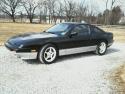

I have used 5w-30 and 10w-30 on my g35 since brand new. The car now has 176,000 miles and I recently did a used oil analysis and the engine wear is the same as 100,000 miles ago. It will go another 100,000 miles easily.
I find this extremely fascinating as i make most of my money on foreign engines that cant make it past an advanced auto parts store without a transfusion. Especially the 35
I find this extremely fascinating as i make most of my money on foreign engines that cant make it past an advanced auto parts store without a transfusion. Especially the 35


Staging Lane
Joined: Jun 2012
Posts: 88
Likes: 0
From: Raleigh, NC
I've been having the same question myself. What oil weight is necessary for cammed engines? I run a...relatively large cam (.595I/.603E) not the biggest out there, but respectable. I also have LT headers, which tend to echo the valvetrain noise, making it louder. I occasionally have a tapping sound that comes from the engine. I have yet to be able to isolate the sound and determine its cause. It doesn't seem to be caused by going WOT but more by cruising on the highway. I run M1 5w-30 and have ever since I got the car. I spoke to a friend today that has been a mechanic for a million years and he told me that my oil wasn't right for my cam setup. He then recommended using a 20w-50...which I have a problem agreeing with. The ls1 manual clearly states not to use anything higher than Xw-30. I decided to run a quart of Lucas through the system to thicken the oil and see how it ran. So far, no tapping. Also, the valvetrain is quieter. Anybody ever have any problems with their stock oil pump not handling a Xw-40? Or 50?

Clearly their environment and usage aren't what most of us throw at our engines, but it's a valid data point to consider.
I've run Mobil-1 15W-50 in my LS1 for road course days, including two road trips from NJ to TN...3 days of road course...then back to NJ. Blackstone oil analysis showed single-digit wear metals with none higher than previous reports using thinner oil during commuting and street use. Apart from a slightly sluggish throttle while the engine was cold, no negative impact I could find.
