

1992 Corvette setup?

Thread Starter
On The Tree
iTrader: (11)
Joined: Apr 2005
Posts: 164
Likes: 0
From: South Padre Island
 1992 Corvette setup?
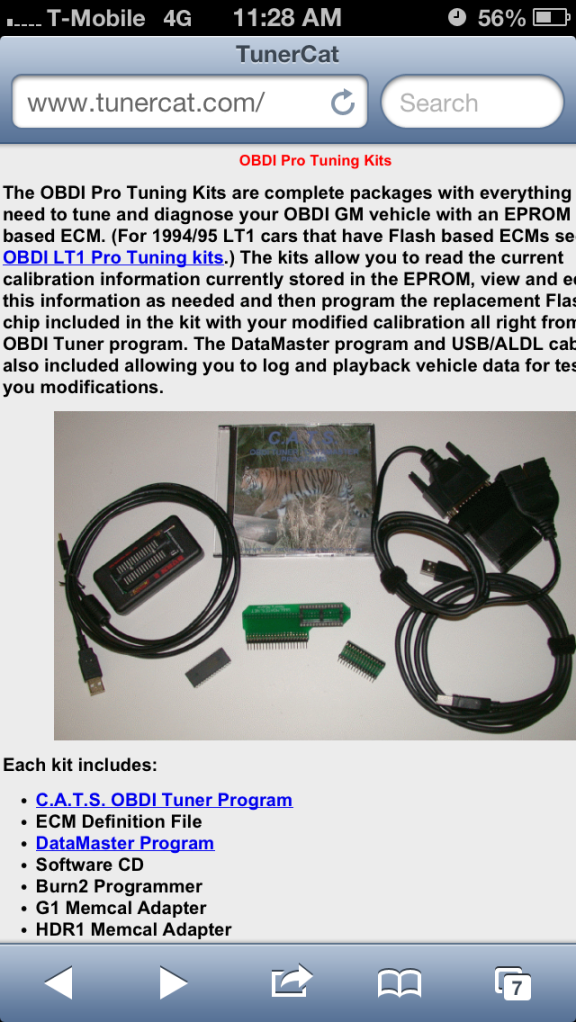
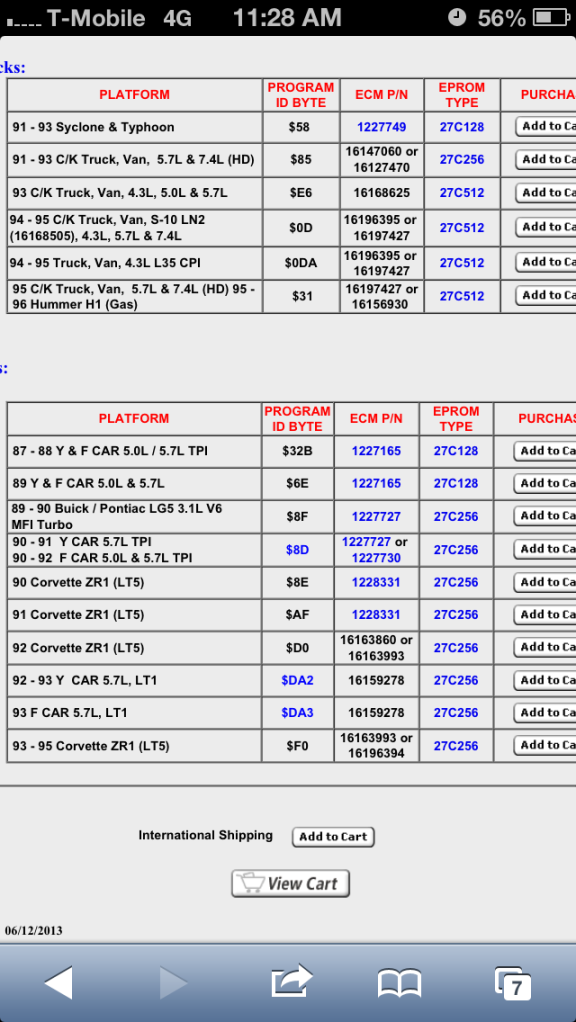
 Ive got a 1992 Corvette Convertible A4 that a friend brought to me and wanted to install a cam in it. The car is bone stock with 35k miles. I told him we would have to start with bolt ons so I ordered a set of LT headers, full 2.5" exhaust, Breathless performance Vortex, Zip performance power coupler, 160* T-stat, Racetronix 255lph pump kit, LTCC conversion and tuner cats pro series software. Now the questions, Im planning on doing a nice H/C/I setup. I was looking into some Trickflow Gen X 195cc heads, a AI cam, TPIS intake and tb combo. Im not sure what would be a good setup. I know the stall will be a 3600 billet converter, I think im staying with stock gears. I don't know if its possible on a stock bottom end but the goal is mid to high 11's N/A. Would it be better to build a 383 stroker?
TECH Regular
Joined: Sep 2003
Posts: 442
Likes: 3
From: Raleigh, NC
That goal is easily attainable on a stock bottom end. What gear does the car have? I know some Y-bodies cam with really high gearing.
The setup sounds good, but I'd definitley ditch the 195cc Trickflows for some AI 200cc ported GM castings and matching camshaft.
SVO red top injectors work well with setups like this.
The setup sounds good, but I'd definitley ditch the 195cc Trickflows for some AI 200cc ported GM castings and matching camshaft.
SVO red top injectors work well with setups like this.
I see your not looking at the 24x setup any more. You have a good setup listed there.
Elliott has really great results with his setups.
Our coil kit and brackets will work well with the LTCC also if you are wanting a premade bracket and coil setup.
Elliott has really great results with his setups.
Our coil kit and brackets will work well with the LTCC also if you are wanting a premade bracket and coil setup.
__________________

Standalone LS Swap Harnesses IN STOCK!
LSX, LTX Stand alone swap harnesses. S10 LSX conversion PLUG AND PLAY harnesses, 24x conversion PLUG AND PLAY harnesses. LT1 to LSX PLUG AND PLAY Harnesses.
sales@bp-automotive.com
www.bp-automotive.com
1-888-467-4491
Standalone LS Swap Harnesses IN STOCK!
LSX, LTX Stand alone swap harnesses. S10 LSX conversion PLUG AND PLAY harnesses, 24x conversion PLUG AND PLAY harnesses. LT1 to LSX PLUG AND PLAY Harnesses.
sales@bp-automotive.com
www.bp-automotive.com
1-888-467-4491

TECH Resident
iTrader: (5)
Joined: Sep 2005
Posts: 814
Likes: 1
From: Crappy Stupid Liberal Washington state
That goal is easily attainable on a stock bottom end. What gear does the car have? I know some Y-bodies cam with really high gearing.
The setup sounds good, but I'd definitley ditch the 195cc Trickflows for some AI 200cc ported GM castings and matching camshaft.
SVO red top injectors work well with setups like this.
The setup sounds good, but I'd definitley ditch the 195cc Trickflows for some AI 200cc ported GM castings and matching camshaft.
SVO red top injectors work well with setups like this.
Thread Starter
On The Tree
iTrader: (11)
Joined: Apr 2005
Posts: 164
Likes: 0
From: South Padre Island
I really wanted to go with a Efi 24x conversion but my customer wanted it out by next month if possible. It all depends on what will get me where my customers goals are. Ill be sure to post pics when all parts come in and some pics of the c4
TECH Regular
Joined: Sep 2003
Posts: 442
Likes: 3
From: Raleigh, NC
That would work too if you prefer that.
What I would not do is go with a set of aftermarket castings with no third party porting done, unless you like spending big bucks to make less than 400rwhp.
Power is not made in the casting, it's made in the machine work applied. Go AI or LE GM castings. If you go LE, just make sure you go LE3 if you want something comparable to the AI 200cc head.
What I would not do is go with a set of aftermarket castings with no third party porting done, unless you like spending big bucks to make less than 400rwhp.
Power is not made in the casting, it's made in the machine work applied. Go AI or LE GM castings. If you go LE, just make sure you go LE3 if you want something comparable to the AI 200cc head.
Trending Topics
Thread Starter
On The Tree
iTrader: (11)
Joined: Apr 2005
Posts: 164
Likes: 0
From: South Padre Island
Thanks for all the input guys and a big thanks to hellteeone. The I do you have me is what I was looking for. And on cam sizing I was looking for something in their 23X's what do you all think about that?
LS1 Tech Stories
The Best V8 Stories One Small Block at Time

Gas Monkey Built a 6-Wheel Ferrari Testarossa With a Corvette LT4 Engine
Verdad Gallardo
7 Most Reliable High-Performance Engines GM Has Ever Built
Verdad Gallardo
Amazing '71 Camaro Restomod Is Modern Muscle Car Under the Skin
Verdad Gallardo
6 Common C5 Corvette Failures and What's Involved In Repairing Them
Pouria Savadkouei
Retro Modern Bandit Pontiac Trans AM Comes With Burt Reynolds' Autograph
Verdad Gallardo
Top 10 Greatest Cadillac V Series Performance Models Ever, Ranked
Pouria Savadkouei
Top 10 Most Powerful Chevy Trucks Ever Made!

Hennessey's New Supercharged Silverado ZR2 Has 700 HP
Verdad Gallardo
Coachbuilt N2A Anteros Is an LS2-Powered C6 Corvette In Italian Clothes
Verdad Gallardo TECH Regular
Joined: Sep 2003
Posts: 442
Likes: 3
From: Raleigh, NC
Most modern LT1 camshafts you will see, will have a split intake/exhaust duration, but you probably already know that.
As far as a 230 degree intake duration. Yes, it can work, but to keep the car from being lazy/sluggish under the curve make sure the static compression is at least 11:1, otherwise keep the intake duration in the 226-229 range. In an NA application I'd also keep the LSA ~111 or less. Exhaust duration will likely end up anywhere from 233 to 238 or so, depending on what your head porter specs. This is why it pays to have a cam matched to the heads you're buying as they will be a factor in determining compression and a host of other things. All of this has been done numerous times before by both AI and LE, so it's a known formula.
Beyond all of that, all similarly sized cams (+/- 5 degrees duration on either side and similar lifts) will act and run pretty similarly and differences will be minor. The power potential is mostly in the heads and the combo being properly matched so don't worry too much about cam "A" outdoing cam "B" when both are fairly similar. The key is having everything matched so it works well together. With a set of GOOD heads, you do not need a 'big' cam in a stock bottom end to make enough power to run mid 11's and trap in the ~117-120 mph range in a C4 vette.
As far as a 230 degree intake duration. Yes, it can work, but to keep the car from being lazy/sluggish under the curve make sure the static compression is at least 11:1, otherwise keep the intake duration in the 226-229 range. In an NA application I'd also keep the LSA ~111 or less. Exhaust duration will likely end up anywhere from 233 to 238 or so, depending on what your head porter specs. This is why it pays to have a cam matched to the heads you're buying as they will be a factor in determining compression and a host of other things. All of this has been done numerous times before by both AI and LE, so it's a known formula.
Beyond all of that, all similarly sized cams (+/- 5 degrees duration on either side and similar lifts) will act and run pretty similarly and differences will be minor. The power potential is mostly in the heads and the combo being properly matched so don't worry too much about cam "A" outdoing cam "B" when both are fairly similar. The key is having everything matched so it works well together. With a set of GOOD heads, you do not need a 'big' cam in a stock bottom end to make enough power to run mid 11's and trap in the ~117-120 mph range in a C4 vette.



11's are easily attainable with the stock bottom end. Take a look at Elliot portworks and advanced inductions for heads/cam options and results (tons and tons of examples on here). Basically you'll find on a stock bottom end, well-thought-out modern HCI LT1 setups will yield about 390-420rwhp with ease (depending on other drivetrain components of course).
Once you start to get into aftermarket ported heads, you need more RPM's to really take full advantage of them and that's when you start dabbling in the area of bottom end work as a necessity.
Also, as somebody else mentioned inspect the gears. Some vettes have airplane gears.
Once you start to get into aftermarket ported heads, you need more RPM's to really take full advantage of them and that's when you start dabbling in the area of bottom end work as a necessity.
Also, as somebody else mentioned inspect the gears. Some vettes have airplane gears.
TECH Regular
Joined: Sep 2003
Posts: 442
Likes: 3
From: Raleigh, NC
The only other thing I could see you running into is the fact that the car is a 1992 model and that means it (I think) has the chipped PCM, rather than OBD stuff of later years. The number of tuners in the country who are capable and competent at burning chips for the early cars is not as large as those who can tune the later PCMs and it may be difficult to find someone local. Maybe Ed Wright will chime in on that subject, he's been in that game for decades.
Keep us posted on what you decide to do and progress on the build.

Lord knows you spent some of his money! The LTCC set up, fuel pump, air box & duct are all what I would consider wasted money. A 35K car doesn't need a fuel pump or ignition system replaced. A customer in Florida that specializes in Corvettes found long ago he could modify the factory air boxes with a hole saw he could get the same power on his dyno as any aftermarket set up you could buy. No power from smooth ducts either.
Either head & cam combo mentioned would be fine. I wouldn't want the Trick Flow heads either.
You will need a device programmer and EPROM eraser along with the correct definition file from Tunercat if you didn't already get it. You will also needed to build an adapter to plug the factory MEMCAL into the device programmer. If you aren't going to modify the original MEMCAL, you will have to come up with a couple of EPROMs and a piggy-back adapter. Moats sells those, but they are too big & ugly for my tastes. I build my own.
Good luck.
Either head & cam combo mentioned would be fine. I wouldn't want the Trick Flow heads either.
You will need a device programmer and EPROM eraser along with the correct definition file from Tunercat if you didn't already get it. You will also needed to build an adapter to plug the factory MEMCAL into the device programmer. If you aren't going to modify the original MEMCAL, you will have to come up with a couple of EPROMs and a piggy-back adapter. Moats sells those, but they are too big & ugly for my tastes. I build my own.
Good luck.

http://www.tunercat.com/cables/lt1kit.html
It only works on 1994 & 1995 LT1s with flash memory. Not the older models with plug-in chips.