








PCV thru the exhaust

Thread Starter
10 Second Club
Joined: Apr 2006
Posts: 44
Likes: 0
 PCV thru the exhaust
 Wasnt really sure where to put this... so i guess this will do!
Wanted to know specifically about the guys who vent their crankcase fumes into the exhaust...
IE what it entails, what the benefits are, what parts i need to run
lot of the import guys are running catch cans or just the stock pcv, but i have heard that the rings seal better using the above mentioned method
I have tried researching this method... but i cant figure out what terms to use or the specific name for this process... anything along those lines would also help me out!
Thanks,
Jon
_____________________
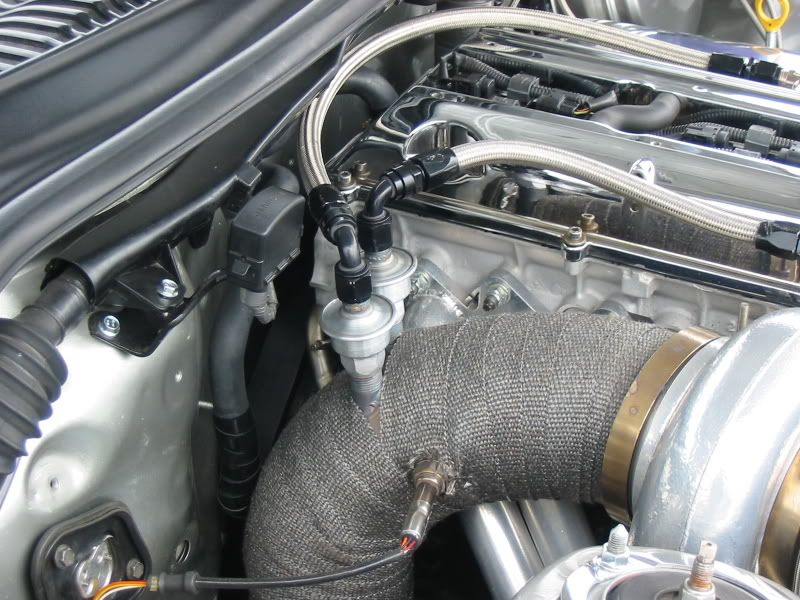
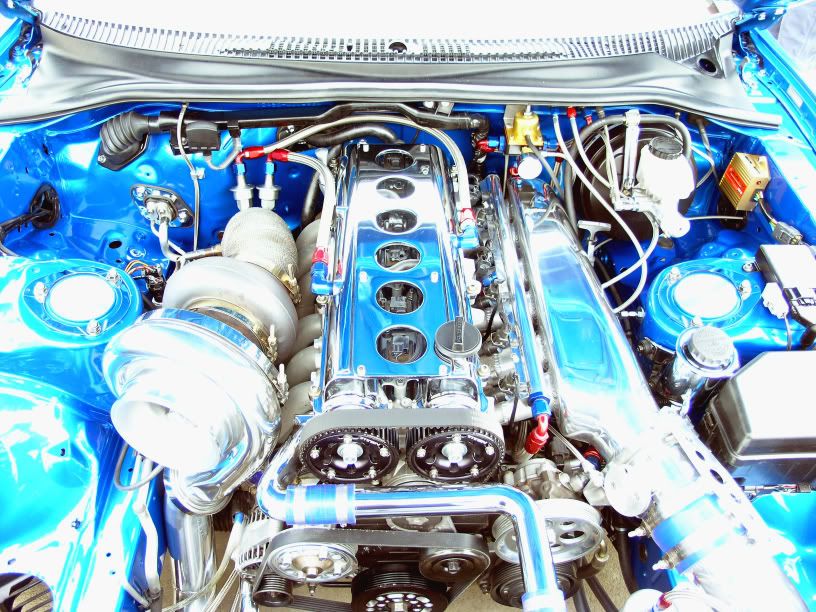
Found an example of this on a supra! This seems to be more of a domestic thing, and virtually none of the guys in my community know about it, so thats y i think you guys will be able to give me an edge as how to do this properly
Wanted to know specifically about the guys who vent their crankcase fumes into the exhaust...
IE what it entails, what the benefits are, what parts i need to run
lot of the import guys are running catch cans or just the stock pcv, but i have heard that the rings seal better using the above mentioned method
I have tried researching this method... but i cant figure out what terms to use or the specific name for this process... anything along those lines would also help me out!
Thanks,
Jon
_____________________
Found an example of this on a supra! This seems to be more of a domestic thing, and virtually none of the guys in my community know about it, so thats y i think you guys will be able to give me an edge as how to do this properly
Last edited by swearitsstock; Sep 17, 2006 at 04:56 AM.
just about all dragsters and such with open engines use a PCV hose in the exhaust. im guessing because of the high speeds with a breather it would it create a high pressure and a low pressure barrier thats hard to break, so its hard for the crankcase gasses and pressure to vent, so they run it through the exhaust to create vacuum to evacuate them. id venture to say you would throw some codes on a computer controlled car when the O2 sensors picked up the excess of NOX gasses, and you definately dont want oil on your O2 sensors. you would still need a catch can of some sort to keep it off the O2's, you just wouldnt have the dirty air going back into your intake.
yeah, i guess that could be done, but the longer you make the lines, the less effective it will be. the only way i could think would be to have your rear O2's tuned out and plumb them in in the bungs where the rear O2's would be in the Y-pipe.
No way I'd have my PCV vent anywhere near my 02's. Even though there's a low pressure from the exhaust it'd have to be located pretty far away from the 02's to not get to them in some fashion. The stock setup, catch can, or breather setups are much better options.
I'm gonna say from experience, stay with the stock PCV and a catch can. I've never used this set up on an LSX engine, but I have on the traditional small block and it doesn't work very well on the street. The system is really designed for open exhaust on an engine that will be wide open all the time like a drag only car. When I drove my 10 second '87 Monte Carlo on the street with the exhaust mounted PCV, the car liked to blow pan gaskets and valve cover gaskets. The pressure in the crankcase could not be bled off fast enough at low engine speed. I switched to a standard PCV valve in the valve cover (as recommended by every engine builder I talked to) and never had a problem again! The set up on the Supra that you posted is in the inlet of the turbo, not down stream in the exhaust somewhere. I would imagine with the turbo spinning at tens of thousands of RPM that would help to draw off crankcase pressure.
Thread Starter
10 Second Club
Joined: Apr 2006
Posts: 44
Likes: 0
Originally Posted by fast01
I'm gonna say from experience, stay with the stock PCV and a catch can. I've never used this set up on an LSX engine, but I have on the traditional small block and it doesn't work very well on the street. The system is really designed for open exhaust on an engine that will be wide open all the time like a drag only car. When I drove my 10 second '87 Monte Carlo on the street with the exhaust mounted PCV, the car liked to blow pan gaskets and valve cover gaskets. The pressure in the crankcase could not be bled off fast enough at low engine speed. I switched to a standard PCV valve in the valve cover (as recommended by every engine builder I talked to) and never had a problem again! The set up on the Supra that you posted is in the inlet of the turbo, not down stream in the exhaust somewhere. I would imagine with the turbo spinning at tens of thousands of RPM that would help to draw off crankcase pressure.
I have 1 wideband O2 sensor 12 inches after the turbo outlet... and considering im running a boosted car, my crankcase is only vented under idle conditions
the PCV has been causing huge problems for me lately... shooting oil out the breather and around the whole engine bay, so im looking into alternative methods of venting my crankcase
Trending Topics
here's a power point write-up a honda boy did on this. http://www.maxpowertuning.com/Crankc...Evacuation.ppt
LS1 Tech Stories
The Best V8 Stories One Small Block at Time

Topdon ONE vs. Artidiag 800 BT2: Which is the Diagnostic Tablet For You?
Pouria Savadkouei
Gas Monkey Built a 6-Wheel Ferrari Testarossa With a Corvette LT4 Engine
Verdad Gallardo
7 Most Reliable High-Performance Engines GM Has Ever Built
Verdad Gallardo
Amazing '71 Camaro Restomod Is Modern Muscle Car Under the Skin
Verdad Gallardo
6 Common C5 Corvette Failures and What's Involved In Repairing Them
Pouria Savadkouei
Retro Modern Bandit Pontiac Trans AM Comes With Burt Reynolds' Autograph
Verdad Gallardo
Top 10 Greatest Cadillac V Series Performance Models Ever, Ranked
Pouria Savadkouei
Top 10 Most Powerful Chevy Trucks Ever Made!

Hennessey's New Supercharged Silverado ZR2 Has 700 HP
Verdad Gallardo
TECH Regular
Joined: Oct 2005
Posts: 430
Likes: 0
The idea with these systems is that the exhaust flow over the angle-cut end of the tube, plus the pressure pulsations (the fitting has a check valve) reduces the crankcase pressure, which improves the ring sealing, reduces the chances of oil leaks and by lowering the pressure, reduces the amount of oil whirling around and impacting the crank. On a high RPM V-8, there can be a more than 30 HP gain from these factors.
Most race car pan evacuation systems these days use dedicated vacuum pumps or emission control air injection pumps instead of the exhaust check valves. A good exhaust evac. system might pull 5" of vacuum but a pump can manage 20" or more. One problem on the street is that unless you have a very low restriction exhaust, there will be too much positive pressure at high RPM for the system to work.
One other point: A good engine with well-sealed rings has very little blow by to deal with, and almost any PCV system will work. Once the rings go, nothing will Band Aid it. In between, a good PCV/vent system may make a difference
Most race car pan evacuation systems these days use dedicated vacuum pumps or emission control air injection pumps instead of the exhaust check valves. A good exhaust evac. system might pull 5" of vacuum but a pump can manage 20" or more. One problem on the street is that unless you have a very low restriction exhaust, there will be too much positive pressure at high RPM for the system to work.
One other point: A good engine with well-sealed rings has very little blow by to deal with, and almost any PCV system will work. Once the rings go, nothing will Band Aid it. In between, a good PCV/vent system may make a difference

MadBill is correct.
Ive used all the above mentioned techniques over the years- Pan-Evacs, air pumps and dry sump pump with vacuum stage. Pan-Evac systems were never intended to be used with full exaust systems with street mufflers. There is almost always positive pressure in a street exhaust system between the exhaust ports and mufflers. The check valves that are included with the Moroso kits are cheap and can pressurize your crank case when used with all but the least restrictive exhaust systems. Pan-Evacs are still the most prevalent race crankcase evacuation systems out there, 90% of the bracket cars still use them because they are very functional and cheap ~$50. It's funny to see them on a high end Supra, but like everything else "Whats old is new again", and they do work. In the pic of the Supra, it does look like they are a little close to the O2 sensor though.
Ive used all the above mentioned techniques over the years- Pan-Evacs, air pumps and dry sump pump with vacuum stage. Pan-Evac systems were never intended to be used with full exaust systems with street mufflers. There is almost always positive pressure in a street exhaust system between the exhaust ports and mufflers. The check valves that are included with the Moroso kits are cheap and can pressurize your crank case when used with all but the least restrictive exhaust systems. Pan-Evacs are still the most prevalent race crankcase evacuation systems out there, 90% of the bracket cars still use them because they are very functional and cheap ~$50. It's funny to see them on a high end Supra, but like everything else "Whats old is new again", and they do work. In the pic of the Supra, it does look like they are a little close to the O2 sensor though.

Teching In
Joined: Aug 2005
Posts: 47
Likes: 0
I tested it on a LS1 engine (Moroso kit) with full exhaust and it didn't work for me because there is back pressure at WOT. This system is only good for a drag car with open headers. At idle and below 2000 rpm, you can feel the vacuum but after that, the exhaust pressure is too high and the check valves close.
That is my experience
SSDION
That is my experience
SSDION
TECH Resident
Joined: Oct 2005
Posts: 787
Likes: 0
My findings are that your problem will be keeping the oil out of the system and replacing the air pump check valves as they burn out quickly. The system can be extremely effective and workable on a street car with full exhaust.
I never put a vacuum gauge on the system. I wish I had. Both breathers would stick to the palm of your hand at an idle. At 3000+ rpm they would pull so much oil out of the covers that the smoke was totally unacceptable. I tried many things in an attempt to reduce the pullover from stuffing scothbrite into the breathers, restrictive grommets and machinin.g plastic inline restrictors. Nothing was totally effective. The car had 1 7/8" primary headers with a 3 1/2" collector. The tube was welded in between two primary tubes at the suggested angle per Moroso's instructions. The rest of the exhaust consisted of 2 3" pipes that extended to 2 chamber flowmasters and over the axle of my Camaro. After several hundred street miles the check valves burned out and reduced the effectiveness of the system somewhat until I replaced them. I think reports of excessive backpressure on a performance exhaust system are exaggerated, but I only experimented with a true dual system and effective collectors.
YMMV
http://www.moroso.com/catalog/catego...?CatCode=13023
I never put a vacuum gauge on the system. I wish I had. Both breathers would stick to the palm of your hand at an idle. At 3000+ rpm they would pull so much oil out of the covers that the smoke was totally unacceptable. I tried many things in an attempt to reduce the pullover from stuffing scothbrite into the breathers, restrictive grommets and machinin.g plastic inline restrictors. Nothing was totally effective. The car had 1 7/8" primary headers with a 3 1/2" collector. The tube was welded in between two primary tubes at the suggested angle per Moroso's instructions. The rest of the exhaust consisted of 2 3" pipes that extended to 2 chamber flowmasters and over the axle of my Camaro. After several hundred street miles the check valves burned out and reduced the effectiveness of the system somewhat until I replaced them. I think reports of excessive backpressure on a performance exhaust system are exaggerated, but I only experimented with a true dual system and effective collectors.
YMMV
http://www.moroso.com/catalog/catego...?CatCode=13023
Last edited by andereck; Sep 27, 2006 at 06:26 PM.
Thread Starter
10 Second Club
Joined: Apr 2006
Posts: 44
Likes: 0
is there even a vacuum pump i can modify to fit on my supra?
considering im using a 5" exhaust that has literally no restriction, its just a 6 foot long 5inch diameter pipe i dont think backpressure is an issue for me
considering im using a 5" exhaust that has literally no restriction, its just a 6 foot long 5inch diameter pipe i dont think backpressure is an issue for me
TECH Resident
Joined: Oct 2005
Posts: 787
Likes: 0
Originally Posted by J-Rod
its what folks did before good vaccum pumps came out. A good vaccum pump is really your only good solid choice.
$40 or so for the Moroso kit, some heater hose and a bit of welding can get you the benifits of negative crankcase pressure without much investment. While the vacuum pump offers the possibility of higher power gain the money might be better put to use somewhere else.

6600 rpm clutch dump of death Administrator


Joined: Dec 2001
Posts: 4,983
Likes: 13
From: Texas
Originally Posted by swearitsstock
is there even a vacuum pump i can modify to fit on my supra?
considering im using a 5" exhaust that has literally no restriction, its just a 6 foot long 5inch diameter pipe i dont think backpressure is an issue for me
considering im using a 5" exhaust that has literally no restriction, its just a 6 foot long 5inch diameter pipe i dont think backpressure is an issue for me
https://ls1tech.com/forums/generation-iii-internal-engine/470363-vacuum-pumps-final-leg.html
TECH Regular
Joined: Oct 2005
Posts: 430
Likes: 0
Originally Posted by swearitsstock
is there even a vacuum pump i can modify to fit on my supra?
considering im using a 5" exhaust that has literally no restriction, its just a 6 foot long 5inch diameter pipe i dont think backpressure is an issue for me
considering im using a 5" exhaust that has literally no restriction, its just a 6 foot long 5inch diameter pipe i dont think backpressure is an issue for me
o A single tailpipe means more exhaust pulses per second, which at some RPM point exceed the response time of the check valves.
o The turbine wheel chops the pulses into a fairly steady stream. (which is why unmuffled turbos are relatively quiet), eliminating much of the 'pulse suction' effect.
o The large pipe makes for a low gas velocity which kills the high velocity 'extractor effect'.
On the other hand, it's not that much work or cost to try it out and see for yourself. If you do, be sure to hook up a vacuum gauge to the crankcase and let us know what happens.
Oh yes: and make sure the valve is plumbed in well downstream of the O2 sensor!
Thread Starter
10 Second Club
Joined: Apr 2006
Posts: 44
Likes: 0
Originally Posted by MadBill
Ironically, several factors which contribute to the power of your set up would probably undermine any possible benefit of exhaust pan scavenging:
o A single tailpipe means more exhaust pulses per second, which at some RPM point exceed the response time of the check valves.
o The turbine wheel chops the pulses into a fairly steady stream. (which is why unmuffled turbos are relatively quiet), eliminating much of the 'pulse suction' effect.
o The large pipe makes for a low gas velocity which kills the high velocity 'extractor effect'.
On the other hand, it's not that much work or cost to try it out and see for yourself. If you do, be sure to hook up a vacuum gauge to the crankcase and let us know what happens.
Oh yes: and make sure the valve is plumbed in well downstream of the O2 sensor!
o A single tailpipe means more exhaust pulses per second, which at some RPM point exceed the response time of the check valves.
o The turbine wheel chops the pulses into a fairly steady stream. (which is why unmuffled turbos are relatively quiet), eliminating much of the 'pulse suction' effect.
o The large pipe makes for a low gas velocity which kills the high velocity 'extractor effect'.
On the other hand, it's not that much work or cost to try it out and see for yourself. If you do, be sure to hook up a vacuum gauge to the crankcase and let us know what happens.
Oh yes: and make sure the valve is plumbed in well downstream of the O2 sensor!
thanks for a good response! guess ill order the valves off summit and try it out... worst case scenario i lose $30 and have to weld up the holes in my downpipe, best case scenario i solve my crankcase pressure problem
thanks again!
now does anyone know of vacuum pumps that i would be able to use on my car, and also a 6rib pulley?
TECH Regular
Joined: Oct 2005
Posts: 430
Likes: 0
6600 rpm clutch dump of death Administrator
Joined: Dec 2001
Posts: 4,983
Likes: 13
From: Texas
Star Machine pumps....
http://www.starvacuumpumps.com/catalog.php?cat=1
GZ makes pulleys, along with pump kits. Go halfway down the page for the pulleys.
http://www.gzmotorsports.com/vacuum-pumps.html
Article on vaccum pumps, pros and cons, etc....
http://www.dragstuff.com/techarticles/vacuum-pumps.html
http://www.rehermorrison.com/techTalk/05c.htm
http://www.starvacuumpumps.com/catalog.php?cat=1
GZ makes pulleys, along with pump kits. Go halfway down the page for the pulleys.
http://www.gzmotorsports.com/vacuum-pumps.html
Article on vaccum pumps, pros and cons, etc....
http://www.dragstuff.com/techarticles/vacuum-pumps.html
http://www.rehermorrison.com/techTalk/05c.htm