








Why Carbon-Fiber?

NO, you didn't read his post very well. He compared CF to chrome in his very last sentence. I'm saying they are both appearance related items and that chrome serves no function other than to look "pretty" just as CF overlays serve no function other than to look pretty. Nobody has strayed anywhere.
I like how you stated you don't know why people use carbon fiber if it doesn't serve a purpose. You tried, oh so valiantly might I add, to defend the ground effects on your vehicles. They are there to hide the exhaust??? Come the F^ck on man who are you kidding. GM didn't put them on there to hide the exhaust-it didn't come with 3in exhaust. GM put them there to make 16 year old girls go gah gah and bring in the rice-a-roni crowd who won't buy a car unless there is 50lbs of extra **** bolted onto the body.
In my opinion visible exhaust underneath the car>plastic tumor on the sides of my car
In my opinion visible exhaust underneath the car>plastic tumor on the sides of my car
SVT THIS I like how you somehow got from my statement that GM put GE there to hide the exhaust and my car came with 3" exhaust. I stated I like my GE because I now have a 3" exhaust and it hides the exhaust/tips! So I will leave it at that drop the GE subject.
Originally Posted by parbreak
NO, you didn't read his post very well. He compared CF to chrome in his very last sentence. I'm saying they are both appearance related items and that chrome serves no function other than to look "pretty" just as CF overlays serve no function other than to look pretty. Nobody has strayed anywhere.
 No you are right I have never worked with CF but I have worked with fiberglass, and I dont know how much of a difference there is. I do agree 100% with you that it takes work/talent to make both parts but I still believe the work to make polished parts is a longer process which has a better outcome and the product is more durable.
 I don't have any carbon-fiber accents on my vehicles. But, I still think bare carbon fiber looks 100x better than ground effects on a Camaro.
So, with that in mind, I'd say your taste is also a little odd.
So, with that in mind, I'd say your taste is also a little odd.
Originally Posted by Nine Ball
I don't have any carbon-fiber accents on my vehicles. But, I still think bare carbon fiber looks 100x better than ground effects on a Camaro.
So, with that in mind, I'd say your taste is also a little odd.
So, with that in mind, I'd say your taste is also a little odd.

It has to do with you judging other people's tastes. So, that leaves your taste open to being judged too.
I can steer the topic any direction I wish, I own the keys to this place.
I can steer the topic any direction I wish, I own the keys to this place.
LS1 Tech Stories
The Best V8 Stories One Small Block at Time

Gas Monkey Built a 6-Wheel Ferrari Testarossa With a Corvette LT4 Engine
Verdad Gallardo
7 Most Reliable High-Performance Engines GM Has Ever Built
Verdad Gallardo
Amazing '71 Camaro Restomod Is Modern Muscle Car Under the Skin
Verdad Gallardo
6 Common C5 Corvette Failures and What's Involved In Repairing Them
Pouria Savadkouei
Retro Modern Bandit Pontiac Trans AM Comes With Burt Reynolds' Autograph
Verdad Gallardo
Top 10 Greatest Cadillac V Series Performance Models Ever, Ranked
Pouria Savadkouei
Top 10 Most Powerful Chevy Trucks Ever Made!

Hennessey's New Supercharged Silverado ZR2 Has 700 HP
Verdad Gallardo
Coachbuilt N2A Anteros Is an LS2-Powered C6 Corvette In Italian Clothes
Verdad Gallardo
 ground effects
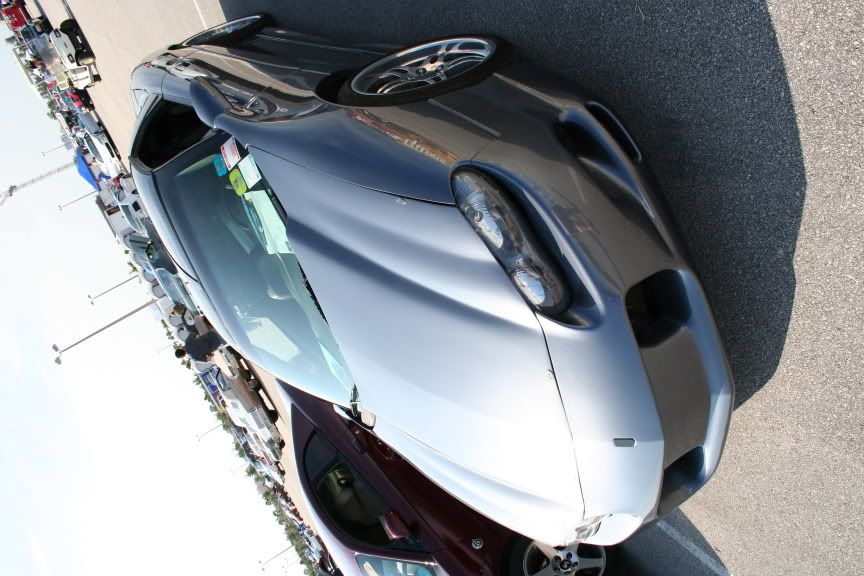

some people dont have a choice about the ground effects. if the car came with them and they dont like them (like me), you cant jus take the pieces off. the side skirts and held on with hangers that are rivetted to the rocker panel. so if the pieces were removed, these holes would have to be filled in, smoothed out, and repainted.

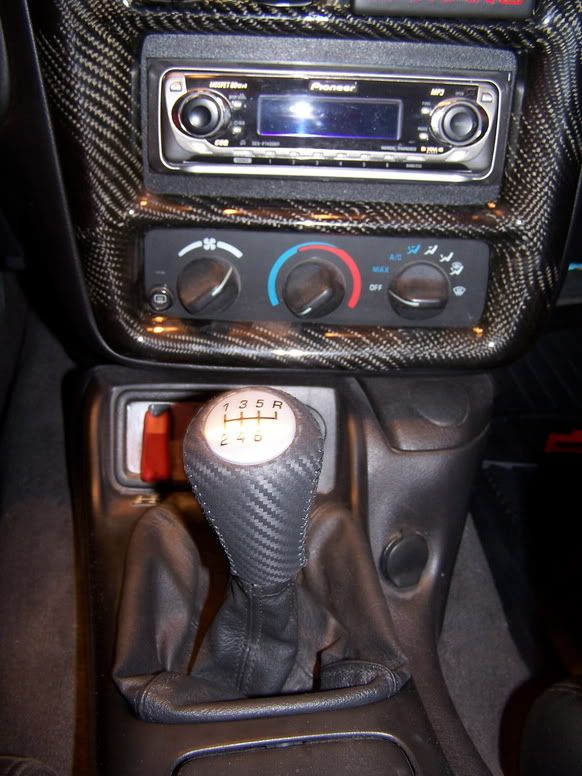
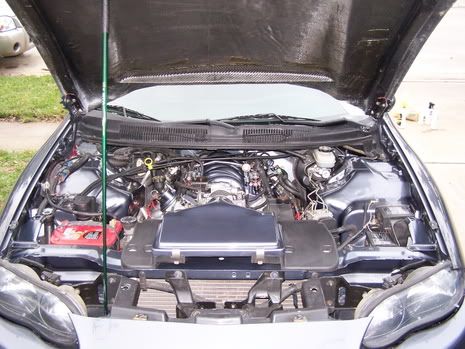
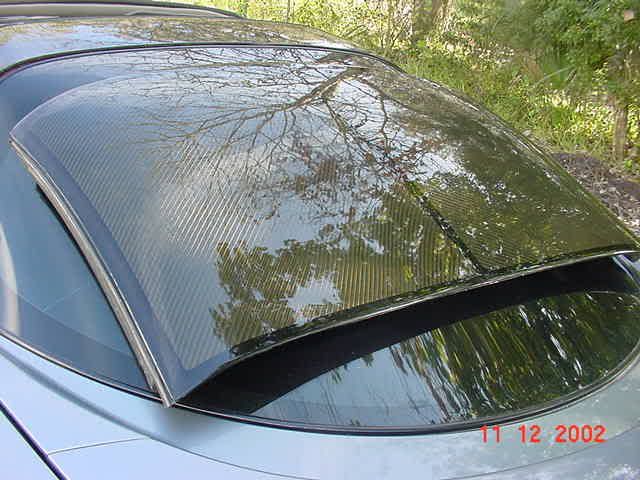
I personally like CF as an apperance mod, but of course anything can be over done. I think the CF overlays for the little triangle section by the window, and the nose badges on Camaros look great, but other things on the outside would look odd. I have CF covered FRC's and lid and I like it, you guys be the judge:


Lol, 
Originally Posted by Nine Ball
It has to do with you judging other people's tastes. So, that leaves your taste open to being judged too.
I can steer the topic any direction I wish, I own the keys to this place.
I can steer the topic any direction I wish, I own the keys to this place.

Originally Posted by VSGLS1
Wrapped interior pieces that were done in ~2002.
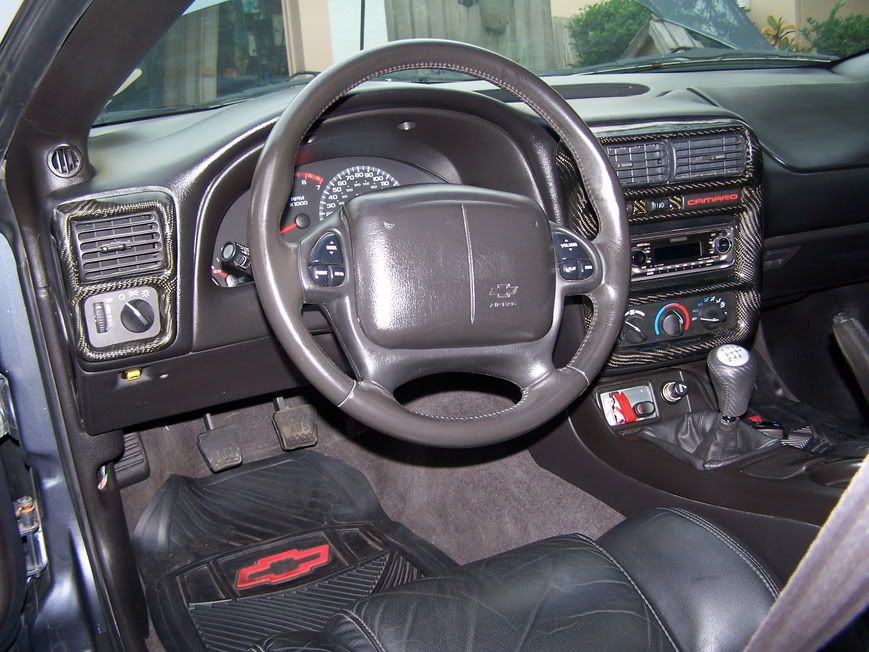

I would take a Carbon Fiber Yugo over a Camaro with ground effects! Well.... maybe not exactly, but you get my point.

Originally Posted by kyles2000z
some people dont have a choice about the ground effects. if the car came with them and they dont like them (like me), you cant jus take the pieces off. the side skirts and held on with hangers that are rivetted to the rocker panel. so if the pieces were removed, these holes would have to be filled in, smoothed out, and repainted.
nah id much rather have a set of aftermarket wheels then to have ground effects removed, i dont really like them but for some reason other people around here say they do so they'll stay until i can get some $.
If you are going to keep the ground effects, at least get them molded. It looks 100x nicer if it is molded. It looks like it is supposed to be there, and not just a 3in long extra piece of plastic bolted on there.
Z06Vette037, I will not leave the ground effects topic alone. You cannot start a thread bashing a very popular appearance mod while your signature contains 2 examples of the most UNPOPULAR appearance mods. I go back to the ground effects to answer your question. The reason people like carbon fiber are for the same reasons you like ground effects.
And no matter what you care to believe yourself, making carbon fiber pieces is a much more difficult process than polishing pieces.
Polishing: Buy some polish, buy a grinder/buffer, if you mess up just go back over it, put it on your car. Wow, hard. Yes it takes some time and experience, but that cancels out with the time/experience needed to produce quality carbon fiber parts. Lets look at carbon fiber...
Carbon fiber: Find a supplier, spend the assload of money on a roll of carbon fiber (in the thousands), buy a vaccuum press, buy or make a mold, spend close to $500 in materials messing up, FINALLY get a finished project, be given **** by some dude with ground effects who thinks he's the **** because he'd rather drive a Busa than do something remotely interesting to his car.
Just my opinion.
By the way, anybody interested in getting any of their interior/exterior pieces wrapped in carbon fiber, PM me.
Z06Vette037, I will not leave the ground effects topic alone. You cannot start a thread bashing a very popular appearance mod while your signature contains 2 examples of the most UNPOPULAR appearance mods. I go back to the ground effects to answer your question. The reason people like carbon fiber are for the same reasons you like ground effects.
And no matter what you care to believe yourself, making carbon fiber pieces is a much more difficult process than polishing pieces.
Polishing: Buy some polish, buy a grinder/buffer, if you mess up just go back over it, put it on your car. Wow, hard. Yes it takes some time and experience, but that cancels out with the time/experience needed to produce quality carbon fiber parts. Lets look at carbon fiber...
Carbon fiber: Find a supplier, spend the assload of money on a roll of carbon fiber (in the thousands), buy a vaccuum press, buy or make a mold, spend close to $500 in materials messing up, FINALLY get a finished project, be given **** by some dude with ground effects who thinks he's the **** because he'd rather drive a Busa than do something remotely interesting to his car.
Just my opinion.
By the way, anybody interested in getting any of their interior/exterior pieces wrapped in carbon fiber, PM me.

For those who've criticized chrome, implying that it, like cf, is just an appearance mod, you don't understand the origins of chrome or cf in the automotive world. Both are used for their strength, corrosion resistance, and appearance.
For instance, if you've ever seen the result of a "lead sled" running into a solid brick wall, you'll understand the amazing strength of those high chrome steel bumpers (and crazy solid chassis). I know of cases where cars have gone through 2ft thick walls and come out with little more than a scratch! Chrome definately had a purpose in bumpers! Chromium also helps to resist corrosion, protecting the car/aircraft from the elements. Finally, yes, it has great aesthetic value, but this was a secondary purpose for it's use, and wasn't widely used thusly for many years after it started being used for bumpers.
Carbon fibre similarly has many advantages. It is strong (if used properly), light (again, depending on the application), has inherent characteristics that make it safer for certain components, has inherent vibration damping, and is also very corrosive resistant.
It's strength comes from the number of lamina used, the filament/resin ratio, and the angle at which the laminas are positioned (to over simplify). Unfortunately, most users (including engineers/materials experts), tend to use standard angles, not taking advantage of the ability to optimize the design, though this saves some money by using more prepregs (premade/preimpregnated sheets of cf or even aramid, i.e. Kevlar, sheets).
By optimizing the design (at least to some extent) fewer laminas can be used, saving overall weight while still withstanding the loads it is designed for. Again, most companies, including aerospace and high performance auto design are just beginning to optimize the design of laminates to the given use, so the weight savings they have seen in the past can in most cases be greatly improved by better understanding composites theory.
That said, I even own a camera tripod made of carbon fibre, which is ideal, as it can hold a ton of weight, dampens vibrations (reducing camera shake), and is light enough that I can carry it almost anywhere (about 1/2 the weight of an equivalent aluminum model). On top of that, it looks cool! This is yet another great use for cf that most people aren't even aware of.
As far as safety, consider cf driveshafts. They are significantly lighter than their steel or aluminum counterparts, easily have better torsion resistance, dampens any transmission vibration, and if a failure occurs, rather than having shards of metal damaging your undercarriage and possibly other things around you, it becomes a fan.
As you can tell, I'm a big fan of carbon fibre. It bothers me though when people use such great materials of so much potential for their least important characteristics. Most of the time, the look doesn't fit with the rest of the area in which it's used. Further, the craze with using such a material for appearance artificially drives up the cost for everyone wanting to use it for it's amazing material properties. Chrome, on the other hand, is relatively cheap, and abundantly available, so while there's a ton of guys chroming out their Harleys, it's not really creating any undue stress on the market.
That's why, as I said before, I'm usually not very impressed by the use of it for overlays. Go ahead, make body panels out of it. Make driveline components and interiors out if it if you like, but at least make it functional, if in no other respect, for weight savings. Overlays simply add weight, which is ironically, the opposite objective of cf's normal use.
For instance, if you've ever seen the result of a "lead sled" running into a solid brick wall, you'll understand the amazing strength of those high chrome steel bumpers (and crazy solid chassis). I know of cases where cars have gone through 2ft thick walls and come out with little more than a scratch! Chrome definately had a purpose in bumpers! Chromium also helps to resist corrosion, protecting the car/aircraft from the elements. Finally, yes, it has great aesthetic value, but this was a secondary purpose for it's use, and wasn't widely used thusly for many years after it started being used for bumpers.
Carbon fibre similarly has many advantages. It is strong (if used properly), light (again, depending on the application), has inherent characteristics that make it safer for certain components, has inherent vibration damping, and is also very corrosive resistant.
It's strength comes from the number of lamina used, the filament/resin ratio, and the angle at which the laminas are positioned (to over simplify). Unfortunately, most users (including engineers/materials experts), tend to use standard angles, not taking advantage of the ability to optimize the design, though this saves some money by using more prepregs (premade/preimpregnated sheets of cf or even aramid, i.e. Kevlar, sheets).
By optimizing the design (at least to some extent) fewer laminas can be used, saving overall weight while still withstanding the loads it is designed for. Again, most companies, including aerospace and high performance auto design are just beginning to optimize the design of laminates to the given use, so the weight savings they have seen in the past can in most cases be greatly improved by better understanding composites theory.
That said, I even own a camera tripod made of carbon fibre, which is ideal, as it can hold a ton of weight, dampens vibrations (reducing camera shake), and is light enough that I can carry it almost anywhere (about 1/2 the weight of an equivalent aluminum model). On top of that, it looks cool! This is yet another great use for cf that most people aren't even aware of.
As far as safety, consider cf driveshafts. They are significantly lighter than their steel or aluminum counterparts, easily have better torsion resistance, dampens any transmission vibration, and if a failure occurs, rather than having shards of metal damaging your undercarriage and possibly other things around you, it becomes a fan.
As you can tell, I'm a big fan of carbon fibre. It bothers me though when people use such great materials of so much potential for their least important characteristics. Most of the time, the look doesn't fit with the rest of the area in which it's used. Further, the craze with using such a material for appearance artificially drives up the cost for everyone wanting to use it for it's amazing material properties. Chrome, on the other hand, is relatively cheap, and abundantly available, so while there's a ton of guys chroming out their Harleys, it's not really creating any undue stress on the market.
That's why, as I said before, I'm usually not very impressed by the use of it for overlays. Go ahead, make body panels out of it. Make driveline components and interiors out if it if you like, but at least make it functional, if in no other respect, for weight savings. Overlays simply add weight, which is ironically, the opposite objective of cf's normal use.

TECH Regular
Joined: Sep 2005
Posts: 400
Likes: 0
From: Albuquerque
I think Nine Ball and others would agree that using CF for appearance is just like anything else.....it can be done right and it can be done wrong.
Putting CF on your car for the sake of putting CF on your car won't make it turn out right.
CF appearance or accents have to complement your car and the theme you have going with your car. They have to be used properly and flow with the car.
It's just like any other texture, color, style, etc....
Putting CF on your car for the sake of putting CF on your car won't make it turn out right.
CF appearance or accents have to complement your car and the theme you have going with your car. They have to be used properly and flow with the car.
It's just like any other texture, color, style, etc....
Originally Posted by 2002BlackSS
For those who've criticized chrome, implying that it, like cf, is just an appearance mod, you don't understand the origins of chrome or cf in the automotive world. Both are used for their strength, corrosion resistance, and appearance.
For instance, if you've ever seen the result of a "lead sled" running into a solid brick wall, you'll understand the amazing strength of those high chrome steel bumpers (and crazy solid chassis). I know of cases where cars have gone through 2ft thick walls and come out with little more than a scratch! Chrome definately had a purpose in bumpers! Chromium also helps to resist corrosion, protecting the car/aircraft from the elements. Finally, yes, it has great aesthetic value, but this was a secondary purpose for it's use, and wasn't widely used thusly for many years after it started being used for bumpers.
Carbon fibre similarly has many advantages. It is strong (if used properly), light (again, depending on the application), has inherent characteristics that make it safer for certain components, has inherent vibration damping, and is also very corrosive resistant.
It's strength comes from the number of lamina used, the filament/resin ratio, and the angle at which the laminas are positioned (to over simplify). Unfortunately, most users (including engineers/materials experts), tend to use standard angles, not taking advantage of the ability to optimize the design, though this saves some money by using more prepregs (premade/preimpregnated sheets of cf or even aramid, i.e. Kevlar, sheets).
By optimizing the design (at least to some extent) fewer laminas can be used, saving overall weight while still withstanding the loads it is designed for. Again, most companies, including aerospace and high performance auto design are just beginning to optimize the design of laminates to the given use, so the weight savings they have seen in the past can in most cases be greatly improved by better understanding composites theory.
That said, I even own a camera tripod made of carbon fibre, which is ideal, as it can hold a ton of weight, dampens vibrations (reducing camera shake), and is light enough that I can carry it almost anywhere (about 1/2 the weight of an equivalent aluminum model). On top of that, it looks cool! This is yet another great use for cf that most people aren't even aware of.
As far as safety, consider cf driveshafts. They are significantly lighter than their steel or aluminum counterparts, easily have better torsion resistance, dampens any transmission vibration, and if a failure occurs, rather than having shards of metal damaging your undercarriage and possibly other things around you, it becomes a fan.
As you can tell, I'm a big fan of carbon fibre. It bothers me though when people use such great materials of so much potential for their least important characteristics. Most of the time, the look doesn't fit with the rest of the area in which it's used. Further, the craze with using such a material for appearance artificially drives up the cost for everyone wanting to use it for it's amazing material properties. Chrome, on the other hand, is relatively cheap, and abundantly available, so while there's a ton of guys chroming out their Harleys, it's not really creating any undue stress on the market.
That's why, as I said before, I'm usually not very impressed by the use of it for overlays. Go ahead, make body panels out of it. Make driveline components and interiors out if it if you like, but at least make it functional, if in no other respect, for weight savings. Overlays simply add weight, which is ironically, the opposite objective of cf's normal use.
For instance, if you've ever seen the result of a "lead sled" running into a solid brick wall, you'll understand the amazing strength of those high chrome steel bumpers (and crazy solid chassis). I know of cases where cars have gone through 2ft thick walls and come out with little more than a scratch! Chrome definately had a purpose in bumpers! Chromium also helps to resist corrosion, protecting the car/aircraft from the elements. Finally, yes, it has great aesthetic value, but this was a secondary purpose for it's use, and wasn't widely used thusly for many years after it started being used for bumpers.
Carbon fibre similarly has many advantages. It is strong (if used properly), light (again, depending on the application), has inherent characteristics that make it safer for certain components, has inherent vibration damping, and is also very corrosive resistant.
It's strength comes from the number of lamina used, the filament/resin ratio, and the angle at which the laminas are positioned (to over simplify). Unfortunately, most users (including engineers/materials experts), tend to use standard angles, not taking advantage of the ability to optimize the design, though this saves some money by using more prepregs (premade/preimpregnated sheets of cf or even aramid, i.e. Kevlar, sheets).
By optimizing the design (at least to some extent) fewer laminas can be used, saving overall weight while still withstanding the loads it is designed for. Again, most companies, including aerospace and high performance auto design are just beginning to optimize the design of laminates to the given use, so the weight savings they have seen in the past can in most cases be greatly improved by better understanding composites theory.
That said, I even own a camera tripod made of carbon fibre, which is ideal, as it can hold a ton of weight, dampens vibrations (reducing camera shake), and is light enough that I can carry it almost anywhere (about 1/2 the weight of an equivalent aluminum model). On top of that, it looks cool! This is yet another great use for cf that most people aren't even aware of.
As far as safety, consider cf driveshafts. They are significantly lighter than their steel or aluminum counterparts, easily have better torsion resistance, dampens any transmission vibration, and if a failure occurs, rather than having shards of metal damaging your undercarriage and possibly other things around you, it becomes a fan.
As you can tell, I'm a big fan of carbon fibre. It bothers me though when people use such great materials of so much potential for their least important characteristics. Most of the time, the look doesn't fit with the rest of the area in which it's used. Further, the craze with using such a material for appearance artificially drives up the cost for everyone wanting to use it for it's amazing material properties. Chrome, on the other hand, is relatively cheap, and abundantly available, so while there's a ton of guys chroming out their Harleys, it's not really creating any undue stress on the market.
That's why, as I said before, I'm usually not very impressed by the use of it for overlays. Go ahead, make body panels out of it. Make driveline components and interiors out if it if you like, but at least make it functional, if in no other respect, for weight savings. Overlays simply add weight, which is ironically, the opposite objective of cf's normal use.
This whole thread was not about how strong chrome or CF is, it was about how they "APPEAR". I couldn't give two ***** whether chrome can bust thru a 2' wall with barely a scratch or not, what does that have to do with appearance items under the hood????????? I was comparing the use of chrome vs. CF in appearance applications, but thank you for completely missing the point.

And no matter what you care to believe yourself, making carbon fiber pieces is a much more difficult process than polishing pieces.
Polishing: Buy some polish, buy a grinder/buffer, if you mess up just go back over it, put it on your car. Wow, hard. Yes it takes some time and experience, but that cancels out with the time/experience needed to produce quality carbon fiber parts. Lets look at carbon fiber...
Carbon fiber: Find a supplier, spend the assload of money on a roll of carbon fiber (in the thousands), buy a vaccuum press, buy or make a mold, spend close to $500 in materials messing up, FINALLY get a finished project, be given **** by some dude with ground effects who thinks he's the **** because he'd rather drive a Busa than do something remotely interesting to his car.
Polishing: Buy some polish, buy a grinder/buffer, if you mess up just go back over it, put it on your car. Wow, hard. Yes it takes some time and experience, but that cancels out with the time/experience needed to produce quality carbon fiber parts. Lets look at carbon fiber...
Carbon fiber: Find a supplier, spend the assload of money on a roll of carbon fiber (in the thousands), buy a vaccuum press, buy or make a mold, spend close to $500 in materials messing up, FINALLY get a finished project, be given **** by some dude with ground effects who thinks he's the **** because he'd rather drive a Busa than do something remotely interesting to his car.