When you click on links to various merchants on this site and make a purchase, this can result in this site earning a commission. Affiliate programs and affiliations include, but are not limited to, the eBay Partner Network.
Before paint and after paint (still awaiting the new nose):
Basics This car has a stock Corvette LS3. The TDP prepped C5 T56 has a new F-body tail on it and the Spec 2+ clutch uses a light aluminum pressure plate. The Flywheel is an ACT Prolite. My driveshaft is a custom Aluminum unit, made by Action Machine in South Bent IN. The 8.5" 10-bolt has a Eaton Trutrac diff, 3.42 Motive gears and Moser bolt-in axles (eliminating c-clips and brake knock back).
The interior is gutted, with a NASA-spec bolt in roll cage and Corbeau racing seats & 5 point harnesses. Gauges are all VDO, except for a cheap vacuum gauge mounted near the ash tray and a F/A ratio gauge at the far right edge of the gauge panel. I blacked out the dash to reduce glare.
The car is Brewster Green.
Weight reduction My car's build sheet says it came out of the factory at 3465 pounds. I have not put it on a scale yet, but What follows is the list of weight saving mods I made:
aluminum front bumper and mounts (saved 40 pounds)
plastic/aluminum radiator (saved 15 pounds)
LS3 replacing SB 305 (saved 125 pounds)
T56 + light flywheel and clutch replacing TH350 and TQ converter (50 pounds)
Composite rear springs (60 pounds, unsprung)
Aluminum drive shaft (10 pounds)
Wilwood manual brake master cylinder (10 pounds)
Fiberglass hood and trunk lid (80 pounds)
Lexan glass sides and back (40 pounds)
Corbeau fixed back racing seats (30 pounds)
Braille B2015 battery (25 pounds)
Edelbrock LTH, dual 3" exhaust (40 pounds)
That's a drop of over 500 pounds. I really need to weigh this thing.
Accessory Drive I went with the LS7 (GMPP 19155067) FEAD on mine, which was $800 delivered. It fit perfectly with no frame notching required. The alternator is high and to the driver side, instead of low, like the CTS-V FEAD (GMPP 19155066), which requires notching. The GM part number for the Corvette LS7 accessory drive without AC is GMPP 19257325. I sold off my PS Pump and replaced it with a Turn One PS pump. I scored a Fluidampr 10% underdrive balancer off Craigslist for $125. It needed a speedi-sleeve ($35) and a smaller belt - Dayco 5060785 ($22)
Brakes I have stock LS1 4th gen F-body rear brakes and made my own "big brake kit" for the front, to handle road race abuse:
Kore3 has a race-focused front hub that is an option over their normal offering. Among the things you get for a little extra $ are a stronger aluminum alloy and a larger outer wheel bearing. This pic shows the difference between a stock outer bearing and the Kore3 bearing.
Here is the hub and caliper bracket, installed.
here is an old caliper (black) near a new one (red), a RB rotor and the 2" wheel spacer needed to get a 4th gen wheel to fit on a 2nd gen car.
The calipers clear the inside of the wheel by 2-3MM, without grinding or cutting.
Rear brakes, composite rear springs, Moser bolt-in axles.
My wilwood adjustable brake prop valve is on the trans tunnel inside the car, so I can make adjustments on the fly. I've got Carbotech 12 Pads in front and EBC Yellow pads in back.
Suspension and Tires The car has Global West Upper and lower tubular A-Arms, and 1.5" lowered front coils. The rear springs are Hypercoil 200 lb/inch Composites. Wheels are 4th gen Camaro SS wheels with 275/40R17 Continental slicks for dry track use, and 4th Gen Corvette Sawblades with Continental Extreme DW 275/40R17 for everything else. I have QA1 DA shocks in front and Viking DAs in back.
The axle tubes have been cross-drilled at the central housing, and set bolts put in next to the original weld points and red lock-tighted. These protrude into the tube, but not far enough to contact the axle. They reinforce the factory welds which are a known weak spot on 8.5" 10-bolts (they tend to sheer and allow the tube to twist in the housing).
Hydraulics I went with a 3/4 inch Wilwood clutch master and 1" Wilwood brake master in mine and haven't had any issues. A 18 inch remote line made bleeding the clutch a snap. For the clutch, I'd started out with a Detroit Speed conversion plate and a GM-style adjustable master cylinder made by Ram. Unfortunately, the master started leaking almost immediately.
The extreme angle at which the master cylinder rod connected to the pedal was likely the cause of the leak. It was roughly 45 degrees, and the act of pushing the clutch pedal in also placed a lot of side-load on the rod. The rod was slightly bent when removed. Soooo, we devised a setup in which the clutch master rod connected to the pedal at a more direct angle (close to 90 degrees, instead of the 45).
Step 1: The pictures below show a 1981 Trans Am firewall, with the stock power booster and brake master removed, and replaced with Wilwood parts. There are 4 mounting studs where the brake booster connected to the car. The new brake master (green arrow) bolts to the upper two studs, and its push rod connects to the upper hole on the brake pedal.
Step 2: Firebirds and Camaros don't have a whole lot of space in this area to mount the remote reservoir for the clutch master, so we made a mount for it out of scrap angle aluminum, which was mounted to the left two studs originally used by the stock brake booster. Washers were placed between the angle-aluminum and the firewall on the left-lower bolt, in order to make things level.
Step 3: To cover the big ugly hole left by the removal of the original T56 master setup, I cut an additional piece of 1/4" aluminum stock. This was mounted to the firewall using existing holes in the firewall (orange arrow, second pic).
Step 4: The top bolt hole for the Wilwood Clutch master is mounted to the right-upper stud originally used by the stock brake booster. A hole was cut in the firewall to clear part of the master cylinder body and the pushrod. This hole is over an inch in diameter and centered roughly 3/8 inch "north" of the original right-lower mounting stud, which I cut off. I used a stepped drill bit to make the hole.
Step 5: A new right-lower mounting bolt was installed by placing the master into the intended location, bolting the upper flange hand-tight to the right-upper stud, and then marking the location for the bottom flange hole (second pic, purple arrow). The drilled hole penetrated both the 1/4" aluminum plate and the firewall. If you don't need to cover an ugly hole like I did, then you'll likely just need to use a few washers to level the clutch master.
I've been very happy with the setup.
The switch to Wilwood forced me to do something about the clutch line. The Stock GM line has a quick-disconnect fitting, which I've made use of several times, and really wanted to retain. However, a Wilwood master cylinder has a 1/8 inch NPT female connection, instead of the roll pin retained thingy used by the stock GM master. Options were: Buy the Mcleod conversion hose OR have a custom hose made. For $20, the local Car Quest took the end off my existing hose, and crimped on a solid 1/8" NPT fitting. Another $5 got me a high pressure 1/8" NPT 90 degree female to male fitting. In all, quite a bargain + instant gratification.
Oil Pan I originally used a 5th gen corvette batwing oil pan. My engine dropped right in, with the original TH350 (now gone) bolted to the factory stock trans cross member, in the factory stock location. I have solid engine mounts, which are welded to my frame. I did have to make a little mod in order to drain the oil without making a big mess (see pic).
Yellow arrow = new drain plug location. I brazed in some additional "meat," filed the area flat, and then tapped a 7/16 hole. The bolt has an O-ring and doesn't leak a drop.
Red arrow = original drain plug. With the engine installed, there is not enough clearance from the frame to get the bolt out. I could have chopped the bolt, but then I'd be dealing with oil all over the frame with every change. Ugh.
(this lovely gem is now for sale, as I'm now using the stock C6 pan that came with the LS3)
Call Keith at Custom Works. They developed a Coil over kit and IIRC they would bolt into the stock location with the stock LCA's. I seriously looked into that, but went with the PTFB GT springs and Koni Red's for the front. That combo makes for a very tight street combo. I was very pleased with that.
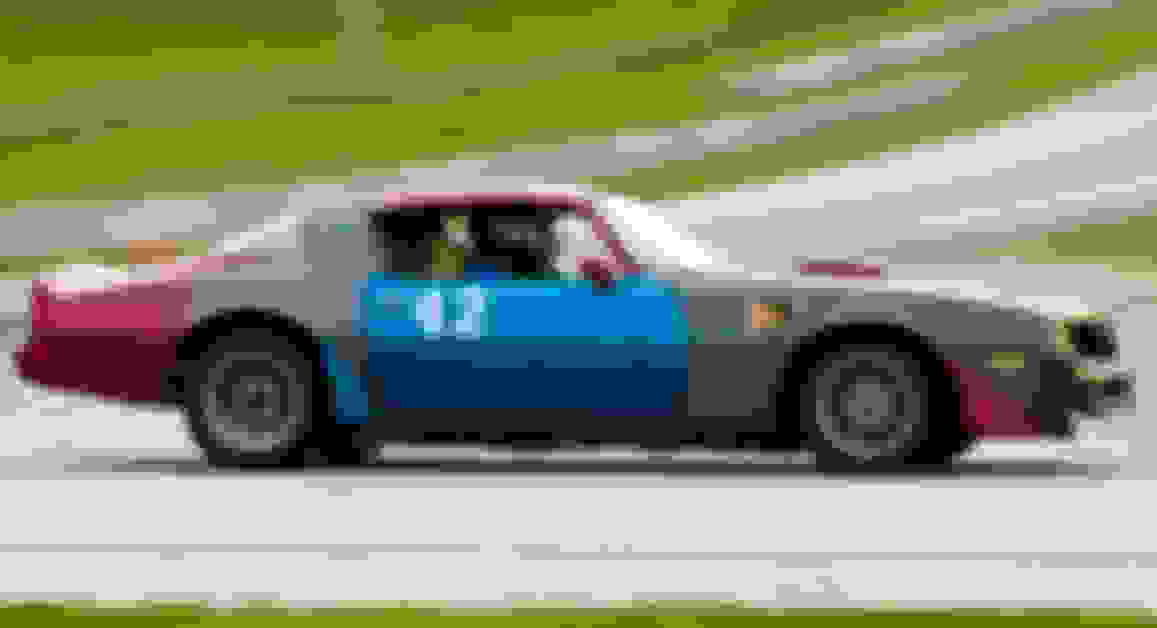
Last month, I put in front QA1 double adjustable Coilovers from WS6Store and a NASA-spec bolt in roll cage. The car performed WELL past expectations at the MFBA open track weekend at Road America earlier this month. It consistently hit 130 to 135 at the end of the major straights (turn one, turn five, canada corner) and only suffered a little brake fade until we put in front cooling ducts.
Not one malfunction or part needed replaced (including brake pads), while the other car we brought (Audi RS6) got sidelined late Saturday, due to a cooked alternator. 10 hours + of labor to dig that thing out and replace it = it's gonna wait until we get home.
I would love to play with a 2ndgen like this. Those are gorgeous.
Just spray paint it matte black and be done with the cosmetics. It'll look better, and it doesn't take a lot of effort. Just be sure to spray evenly and from far enough away.
thanks for the input guys. I actually am looking at shooting it in matte black - it's just a matter of getting the time to do it--probably this winter.
Below is a pic of the Braille battery. It's mounted to the firewall, just above the heater duct. I'd originally had a regular battery mounted in the trunk, but a couple things made me change my mind on this:
The never-ending quest for weight reduction (Battery + tray + 16' O-gauge cable = 55 pounds, while the Braille + 2' O-gauge cable = 16 pounds)
Getting the ******* from the thought of a 16' live cable running through the trunk floor and alongside much of the fuel system.
My solution involved recycling the original hold down bracket, which fit perfectly.
The new rear end is in, and behaves beautifully. The new calipers on front made a great difference at the track too. The video below doesn't show (go pro ran out of battery after this), but the ol' TA stuck with a 911 GT3 for the later 2/3 of a session at Gingerman @ the Halloween open track day. This was on 6 year old 245 street tires. Talk about an ego boost. We're doing something right. A bit more horse power and this would not have been an issue.
The car is getting increasingly well balanced. Next mod is a head porting and cam package from Advanced Induction.
Looking Good! you seem to have done a bunch of the same mods I've done to my 1st gen. Have you been stealing ideas from me? LOL, My Braille is in the exact same spot! I vote on the flat black paint too, but I may be partial :-)
Could you post up some more pictures of how you got the C-clip eliminators and the rear LS1 brakes to work together?
Hopefully the picture below works for you. Once I get a warm(ish) weekend, I will be painting the axle ends so they'll look nicer. Until then, what we have is...
Purple arrow - Moser weld-on Ford style end for GM axle.
Yellow arrows - retaining clip
Red arrow - 1/2" steel plate, cut to fit the axle and allow the LS1 caliper bracket (blue arrow) to bolt up
I did not use the p-brake in my setup. I used 1/2" plate because there was a bunch of scrap laying around at a buddy's job (steel plant - go figure).
The brakes were centered by bolting in the axle, and then mounting the rotor with the lug nuts and no wheel. The assembled caliper, bracket and pads were placed on the rotor, centered, and a couple quick tack welds were made to attach the plate to the axle end. Everything was then disassembled, and the axle removed (important, or you'll fry your bearings). Then, the full weld was made. Once things cooled, the whole deal was cleaned up, polished and reassembled.
Call Keith at Custom Works. They developed a Coil over kit and IIRC they would bolt into the stock location with the stock LCA's. I seriously looked into that, but went with the PTFB GT springs and Koni Red's for the front. That combo makes for a very tight street combo. I was very pleased with that.
I called him finally, and am I glad I did. The car had a terrible problem wallowing out the locator holes in the upper rear axle pads. Keith makes some steel ones that I highly recommend. I bought some, plus a set of delrin/steel upper leaf bushings, to keep my rear axle firmly in place. What a difference that made. I plan on getting a set of composite leafs from him sometime in March.
Here's the other mod I did this month: 3" brake cooling ducts for the front. This should make another big difference on the track. Old brakes shown in the pics below (note: the top pic shows the old brakes which got switched out soon after).
One thing I would suggest is get the car on 4 scales and see what your front to back and side-to-side weights are and that will help you going forward.
Second is check all your suspension to be sure what you are dealing with for your suspension travel--it is easy to lower them and run out of travel and then you are riding around on the suspension stop and don't know it. Put a plastic tie-wrap on your shock tube and take it out for a lapping session and see how far the shock body pushed the tie-wrap up. Or put gum on your snubbers and see if it bottomed out.
You have done right to put in a cage, both safety and suspension wise, but you could look at if there ways to get it out closer to suspension points. Add a cheap fire extinguisher mounted somewhere, fires happen easier than you think, like pushing oil out of the dipstick onto headers if you ever hole a piston.
One thing I would suggest is get the car on 4 scales and see what your front to back and side-to-side weights are and that will help you going forward.
Second is check all your suspension to be sure what you are dealing with for your suspension travel--it is easy to lower them and run out of travel and then you are riding around on the suspension stop and don't know it. Put a plastic tie-wrap on your shock tube and take it out for a lapping session and see how far the shock body pushed the tie-wrap up. Or put gum on your snubbers and see if it bottomed out.
You have done right to put in a cage, both safety and suspension wise, but you could look at if there ways to get it out closer to suspension points. Add a cheap fire extinguisher mounted somewhere, fires happen easier than you think, like pushing oil out of the dipstick onto headers if you ever hole a piston.
Just some thoughts, be safe out there.
Good idea with the tie wraps. I'll be sure to do that next time it's out on the track. Rear composite springs are on the way, which will improve ride quality and reduce unsprung weight in back by roughly 50 pounds. I have two extra sections of roll bar tubing and will look into tying the rear frame rails in to the cage.
The cage went in slowly, and there were a few days where I street-drove the car without side door bars. Every bump I hit, the cage would tap against the place where the roof and the driver-side A pillar meet. As soon as ONE side bar was welded in, that stopped. These cars do flex a bit, eh?
new heads are in (pics in first post), and the pistons have been ordered. The LS6 build should be complete and in the car by the end of June.
Plus, I have to admit to an idiot move: not dialing in the rear DA shocks above 0/0 after installing them. I hit the gas a bit hard during a cruise night last week, got some horrible wheel hop, and ended up shearing the axle locator "nubs" on the Hypercoil rear springs. These are not steel, incidentally, they are painted plastic. If you look at the pic directly above this post, you'll see a blue plate between the shock plate and the spring. That thing is hard plastic, not steel. I ended up drilling a 5/16 hole through the springs at the correct location, and putting bolts in. Then I snugged the U-bolts down nice and tight.
I also set the shocks to 5 compression and 9 rebound.
Gas Monkey Built a 6-Wheel Ferrari Testarossa With a Corvette LT4 Engine
Slideshow: The controversial Ferrari F6 swaps its original flat-12 for a Corvette Z06-derived LT4 V8 and sends power to four rear wheels through a custom-built drivetrain.
7 Most Reliable High-Performance Engines GM Has Ever Built
Slideshow:These GM engines didn't just make huge power, they survived abuse, boost, track days, and six-digit mileage with a reputation for refusing to quit.
6 Common C5 Corvette Failures and What's Involved In Repairing Them
Slideshow: From wobbling harmonic balancers to failed EBCMs, these are the issues that define long-term C5 ownership and what repairs typically involve.
Retro Modern Bandit Pontiac Trans AM Comes With Burt Reynolds' Autograph
Slideshow: A modern Camaro transformed into a retro icon, this limited-run "Bandit" build blends nostalgia with brute force in a way few revivals manage.
Top 10 Greatest Cadillac V Series Performance Models Ever, Ranked
Slideshow: Cadillac didn't just crash the high-performance luxury vehicle party, it showed up loud, supercharged, and occasionally a little unhinged...
Coachbuilt N2A Anteros Is an LS2-Powered C6 Corvette In Italian Clothes
Slideshow: A one-off sports car that looks like a vintage Italian exotic-but hides a C6 Corvette underneath-just sold for the price of a new mid-engine Corvette.






 Road Race Prepping a 1981 Trans Am