



Correct LS1 Fan Diagram Here

Teching In
Joined: Oct 2005
Posts: 24
Likes: 0

Hello,
These diagrams are great. My question is, what is recommended for aftermarket A/C systems like Vintage air? Also, what is the difference in the PCM between Low and High? Are the two set points in the computer? Are both programmable?
If I have the PCM controlling the fans as diagramed, should I tie the A/C into the PCM or just start the fan directly? Should I start one fan or both fans?
What does Red 17 and Red 43 on the PCM do?
Thanks.
These diagrams are great. My question is, what is recommended for aftermarket A/C systems like Vintage air? Also, what is the difference in the PCM between Low and High? Are the two set points in the computer? Are both programmable?
If I have the PCM controlling the fans as diagramed, should I tie the A/C into the PCM or just start the fan directly? Should I start one fan or both fans?
What does Red 17 and Red 43 on the PCM do?
Thanks.

On The Tree
Joined: Jul 2004
Posts: 166
Likes: 0
From: Stockholm, Sweden
I wired mine so that the Vintage Air compressor clutch is activated from the PCM. This also require that you get the LS1 highpressure sensor in the AC system so that the PCM can start the fans or shut down the AC if you get overpressure.
Another reason to go through the PCM is that it will raise the idle when the AC starts.
Jan
Another reason to go through the PCM is that it will raise the idle when the AC starts.
Jan
Originally Posted by TT_Vert
not to bring up an older thread but when the high speed ground is activated, does it kill the low speed ground? Im guessing it has to since there are 3 relays.
Dae
Dae
the reason gm has the relays going to B+ is the computer does turn on the fans after the car is off, but only if the car is overheating. i think the temp is like 235 degrees and the timer for it is 180 seconds. also both of these parameters are adjustable in hptuners to
Last edited by fast98; Jun 30, 2007 at 06:17 PM.
Originally Posted by fast98
yes the computer will only command one or the other.
- One relay switches the fans between series (low speed) and parallel (high speed) configuation
- One relay provides power (half-current due to series operation) to both fans in low-speed mode, and just fan1 in high-speed mode
- One relay provides power to just fan2 high-speed mode.
The high speed signal from the PCM controls both the series and fan2 relay. The low speed signal controls just the fan1 relay. For both fans to spin in high speed mode, both signals are needed.
- One relay provides power (half-current due to series operation) to both fans in low-speed mode, and just fan1 in high-speed mode
- One relay provides power to just fan2 high-speed mode.
The high speed signal from the PCM controls both the series and fan2 relay. The low speed signal controls just the fan1 relay. For both fans to spin in high speed mode, both signals are needed.
LS1 Tech Stories
The Best V8 Stories One Small Block at Time

Gas Monkey Built a 6-Wheel Ferrari Testarossa With a Corvette LT4 Engine
Verdad Gallardo
7 Most Reliable High-Performance Engines GM Has Ever Built
Verdad Gallardo
Amazing '71 Camaro Restomod Is Modern Muscle Car Under the Skin
Verdad Gallardo
6 Common C5 Corvette Failures and What's Involved In Repairing Them
Pouria Savadkouei
Retro Modern Bandit Pontiac Trans AM Comes With Burt Reynolds' Autograph
Verdad Gallardo
Top 10 Greatest Cadillac V Series Performance Models Ever, Ranked
Pouria Savadkouei
Top 10 Most Powerful Chevy Trucks Ever Made!

Hennessey's New Supercharged Silverado ZR2 Has 700 HP
Verdad Gallardo
Coachbuilt N2A Anteros Is an LS2-Powered C6 Corvette In Italian Clothes
Verdad Gallardo

Originally Posted by dsrour
If you are running a single fan can it be wired to run both at low speed and high speed depending on conditions? In HP tuners you can set time fans run after ignition off. thx

PCM pinouts are for a 1998, 1999+ would use C1-42 low and C2-33 high as per the first diagram here.
Launching!
Joined: Jul 2004
Posts: 223
Likes: 0
From: Potomac, MD
Thanks. Not sure from your diagram how you would get a low and a highspeed from single fan. I think the way the factory does it is series connection 2 fans for low speed and parallel for high speed.
You could put a voltage reducer in output of fan 1
You could put a voltage reducer in output of fan 1
Sorry, I couldn't see the forest for the trees. I figured everyone knew I used 2 speed F**d fans in all my cars, I should have specified this is what type f fan that wiring is for. These fans have three terminals, low, high, and ground.
On my 280Z & Supra, I have the Lincoln Mark 8 / Mk VIII from the mid 90s. It was outlawed after a few years since it tended to suck small animals and young children off the sidewalk as the car drove by  .
. 
Seriously, though the fans are rated like 3~4K CFM and they draw BIG amps and need HD wiring & relays to use them. When I tested on the Datsun, the fan was wired in place (not sealed) to the radiator, and there was an AC condenser in front of the radiator. On low speed, it drew enough air to hold an 8.5x11 sheet of paper in place, then a similar sized piece of cardboard. Not real scientific, but I can't complain about the performance.
On my RX7, I used the Taurus fan since it is a little thinner and fit my application better. It works really well also, and I got it for $30 + shipping from a JY in Ohio I found on car-parts.com (ditto the MK8 fan I just got for my BMW project). I suppose the Taurus fan does not pull as much air, but all my cars have Chevy van radiators in them (1.5" thick or so) plus AC condensers.
The first RX7 I built was an '84 GSL-SE with a Gen 1 383. I could not get it to idle w/o boiling over regardless of the setup I used. I didn't know about these back then.
I also used dual Perma-Kool fans on my TA when I had a Prochrger so I could keep the AC. They sucked because they didn't suck, that is they did not move anywhere near the air stock fans did.
. Seriously, though the fans are rated like 3~4K CFM and they draw BIG amps and need HD wiring & relays to use them. When I tested on the Datsun, the fan was wired in place (not sealed) to the radiator, and there was an AC condenser in front of the radiator. On low speed, it drew enough air to hold an 8.5x11 sheet of paper in place, then a similar sized piece of cardboard. Not real scientific, but I can't complain about the performance.
On my RX7, I used the Taurus fan since it is a little thinner and fit my application better. It works really well also, and I got it for $30 + shipping from a JY in Ohio I found on car-parts.com (ditto the MK8 fan I just got for my BMW project). I suppose the Taurus fan does not pull as much air, but all my cars have Chevy van radiators in them (1.5" thick or so) plus AC condensers.
The first RX7 I built was an '84 GSL-SE with a Gen 1 383. I could not get it to idle w/o boiling over regardless of the setup I used. I didn't know about these back then.
I also used dual Perma-Kool fans on my TA when I had a Prochrger so I could keep the AC. They sucked because they didn't suck, that is they did not move anywhere near the air stock fans did.

Teching In
Joined: Dec 2002
Posts: 2
Likes: 0
From: tampa fl
The PCM will also enable the cooling fans after the ignition is turned off. When the engine coolant temperature exceeds 113°C (235°F) and the ignition is turned off, the cooling fans will be enabled on low speed for 150 seconds.
something i ran across a few months ago.... in some cases the stock ecm does turn on the fans after the car has been tuned off. but only for a short time... shouldn't kill anyone's battery unless its about to go out anyways.
the rest....
From the service manual of a 1998 5.7L F-car (Camaro/Firebird) here is the descriptio of the cooling fan controls
Engine Cooling Fan Description - Electric
The electric cooling fans are used to cool engine coolant flowing through the radiator. The fans are also used to cool the refrigerant flowing through the A/C condenser.
The electric cooling fans are controlled by the PCM. The PCM controls the ground path for the three cooling fan relays. The relays are used to control the high current flow to power the cooling fan motors. Both fans operate together. When minimum cooling is required, the PCM energizes cooling fan relay #1 and both fans operate at low speed, since the fans are connected in series through cooling fan relay #3. Cooling fan relay #2 is open (not energized) and is not used for low speed operation of the fans. When maximum cooling is required, the PCM energizes all three cooling fan relays. The left fan is still powered through cooling fan relay #1, but is now grounded through cooling fan relay #3. The right fan is now powered directly through cooling fan relay #2 and both fans operated at high speed.
The PCM will also enable the cooling fans after the ignition is turned off. When the engine coolant temperature exceeds 113°C (235°F) and the ignition is turned off, the cooling fans will be enabled on low speed for 150 seconds.
Low Speed Cooling Fans
The low speed cooling fans are controlled by the PCM based on the following inputs:
The A/C system.
The Engine Coolant Temperature (ECT) sensor.
The Vehicle Speed Sensor (VSS).
The PCM will turn the cooling fans on low speed when any of the following conditions exist at idle:
Certain PCM Diagnostic Trouble Codes (DTCs) are set.
The ECT above 108°C (226°F).
The A/C high side pressure above 215 psi.
Once the low speed fans are turned ON by Engine Coolant Temperature, the PCM will turn the fans OFF when that temperature has dropped about 4°C (7°F). If the low speed cooling fans are turned ON by high A/C head pressure, the PCM will turn the fans OFF when the pressure has dropped to 190 psi. The minimum ON time for the low speed cooling fans is 50 seconds.
The cooling fans are turned OFF at certain vehicle speeds. Adequate airflow through the A/C condenser and radiator occurs with vehicle movement to properly cool the A/C refrigerant and engine coolant without the assistance of the cooling fans.
High Speed Cooling Fans
The High Speed Cooling Fans are controlled by the PCM based on the following inputs:
The A/C system.
The Engine Coolant Temperature (ECT) sensor.
The Vehicle Speed Sensor (VSS).
The PCM will enable both fans on high speed when any of the following conditions exist:
Certain PCM Diagnostic Trouble Codes (DTCs) set.
The ECT above 112°C (234°F).
The A/C high side pressure above 248 psi.
Once the high speed cooling fans are turned ON by the Engine coolant temperature, the PCM will turn the fans OFF when that temperature has dropped about 4°C (7°F). If the high speed cooling fans are turned ON by high A/C head pressure, the PCM will turn the fans OFF when the pressure has dropped to 208 psi. The minimum ON time for the high speed cooling fans is 30 seconds.
Engine Cooling Fan Description - Electric
The electric cooling fans are used to cool engine coolant flowing through the radiator. The fans are also used to cool the refrigerant flowing through the A/C condenser.
The electric cooling fans are controlled by the PCM. The PCM controls the ground path for the three cooling fan relays. The relays are used to control the high current flow to power the cooling fan motors. Both fans operate together. When minimum cooling is required, the PCM energizes cooling fan relay #1 and both fans operate at low speed, since the fans are connected in series through cooling fan relay #3. Cooling fan relay #2 is open (not energized) and is not used for low speed operation of the fans. When maximum cooling is required, the PCM energizes all three cooling fan relays. The left fan is still powered through cooling fan relay #1, but is now grounded through cooling fan relay #3. The right fan is now powered directly through cooling fan relay #2 and both fans operated at high speed.
The PCM will also enable the cooling fans after the ignition is turned off. When the engine coolant temperature exceeds 113°C (235°F) and the ignition is turned off, the cooling fans will be enabled on low speed for 150 seconds.
Low Speed Cooling Fans
The low speed cooling fans are controlled by the PCM based on the following inputs:
The A/C system.
The Engine Coolant Temperature (ECT) sensor.
The Vehicle Speed Sensor (VSS).
The PCM will turn the cooling fans on low speed when any of the following conditions exist at idle:
Certain PCM Diagnostic Trouble Codes (DTCs) are set.
The ECT above 108°C (226°F).
The A/C high side pressure above 215 psi.
Once the low speed fans are turned ON by Engine Coolant Temperature, the PCM will turn the fans OFF when that temperature has dropped about 4°C (7°F). If the low speed cooling fans are turned ON by high A/C head pressure, the PCM will turn the fans OFF when the pressure has dropped to 190 psi. The minimum ON time for the low speed cooling fans is 50 seconds.
The cooling fans are turned OFF at certain vehicle speeds. Adequate airflow through the A/C condenser and radiator occurs with vehicle movement to properly cool the A/C refrigerant and engine coolant without the assistance of the cooling fans.
High Speed Cooling Fans
The High Speed Cooling Fans are controlled by the PCM based on the following inputs:
The A/C system.
The Engine Coolant Temperature (ECT) sensor.
The Vehicle Speed Sensor (VSS).
The PCM will enable both fans on high speed when any of the following conditions exist:
Certain PCM Diagnostic Trouble Codes (DTCs) set.
The ECT above 112°C (234°F).
The A/C high side pressure above 248 psi.
Once the high speed cooling fans are turned ON by the Engine coolant temperature, the PCM will turn the fans OFF when that temperature has dropped about 4°C (7°F). If the high speed cooling fans are turned ON by high A/C head pressure, the PCM will turn the fans OFF when the pressure has dropped to 208 psi. The minimum ON time for the high speed cooling fans is 30 seconds.

On The Tree
Joined: May 2008
Posts: 174
Likes: 0
I know this is a old thread,I used the search instead of making a new one.
who needs a big relay, I just put a single wire grounding switch on the relay 1 green wire and I now have low speed over dual fans when I need them, seems to help when the trans is hot too.
if you put a 180 or 160 t stat it give you fan control on a budget or you can just buy a tune or programmer. now if you worried about leaving the fan on a small 5amp relay powered by your ignition wire could control a series ground so that in the event you leave the switch on the ground is cut the minute the cars turned off. I just put a 2 quart extra deep finned pan on and I noticed the trans temp follows the engine temp pretty closely. I assume the engine T stat cycles the hot water to the radiator and the trans is getting some this heat. Im thinking of getting a big trans cooler and doing a seperate system, I will plug the radiator holes for trans
who needs a big relay, I just put a single wire grounding switch on the relay 1 green wire and I now have low speed over dual fans when I need them, seems to help when the trans is hot too.
if you put a 180 or 160 t stat it give you fan control on a budget or you can just buy a tune or programmer. now if you worried about leaving the fan on a small 5amp relay powered by your ignition wire could control a series ground so that in the event you leave the switch on the ground is cut the minute the cars turned off. I just put a 2 quart extra deep finned pan on and I noticed the trans temp follows the engine temp pretty closely. I assume the engine T stat cycles the hot water to the radiator and the trans is getting some this heat. Im thinking of getting a big trans cooler and doing a seperate system, I will plug the radiator holes for trans
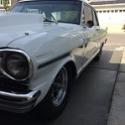
Good question, I never really looked into this since I used aftermarket fan controllers with my two speed single fans (two MK8s & a Taurus) so far. On my latest car, I'm looking into using the PCM to control the single two speed fan. I borrowed from the above diagram and also from one at HyridZ and came up with this:

PCM pinouts are for a 1998, 1999+ would use C1-42 low and C2-33 high as per the first diagram here.
PCM pinouts are for a 1998, 1999+ would use C1-42 low and C2-33 high as per the first diagram here.