








Turbo Ls1 Engine Temp

The 4 or 6 cyl escape? May just be the picture, but the motor on that town car fan looks dinky compared to the taurus. Also has 3 less blades.
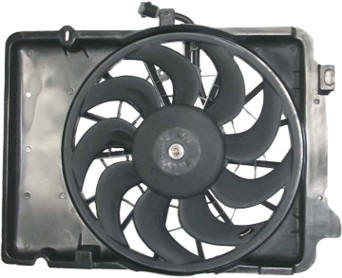
Pics below are the dorman reman which I don't think puts out quite as much as the original. But it's still pretty darn good for $85 new. My original taurus fan would pull 60ish amps on startup. (high)
Pics below are the dorman reman which I don't think puts out quite as much as the original. But it's still pretty darn good for $85 new. My original taurus fan would pull 60ish amps on startup. (high)

TECH Addict

Joined: Oct 2016
Posts: 2,513
Likes: 480
From: PDX-OR-USA
Yes it can be mixed in with your coolant, for me it makes about a 4 degree temp difference on my jeep when pulling hard, but more important it keeps the bubbles from forming, most folks expect to see a gauge difference, but the main benefit is it reduces hot spots in the system and helps bring any air out of the system. You typically wont see it on the temp gauge unless your completely over-running the cooling systems capacity.
Most coolants have a small amount of the same stuff in them. Just not like a full bottle
FWIW all the big chiller plants in office buildings use wetting agents to increase efficiency, where we see the benefit is the variable speed pumps run about 3% slower with a agent vs without. So the benefit in a building system is less energy used by the pumps. It also really reduces corrosion in the plumbing.
Most coolants have a small amount of the same stuff in them. Just not like a full bottle
FWIW all the big chiller plants in office buildings use wetting agents to increase efficiency, where we see the benefit is the variable speed pumps run about 3% slower with a agent vs without. So the benefit in a building system is less energy used by the pumps. It also really reduces corrosion in the plumbing.
The 4 or 6 cyl escape? May just be the picture, but the motor on that town car fan looks dinky compared to the taurus. Also has 3 less blades.
Pics below are the dorman reman which I don't think puts out quite as much as the original. But it's still pretty darn good for $85 new. My original taurus fan would pull 60ish amps on startup. (high)
Pics below are the dorman reman which I don't think puts out quite as much as the original. But it's still pretty darn good for $85 new. My original taurus fan would pull 60ish amps on startup. (high)
The motors may be different. The TC fan is almost 19". The pic doesn't do it justice and makes the motor look small. It pulled 60+ start-up, 29 through the flow bench, and 23 free.
LS1 Tech Stories
The Best V8 Stories One Small Block at Time

6 Common C5 Corvette Failures and What's Involved In Repairing Them
Pouria Savadkouei
Retro Modern Bandit Pontiac Trans AM Comes With Burt Reynolds' Autograph
Verdad Gallardo
Top 10 Greatest Cadillac V Series Performance Models Ever, Ranked
Pouria Savadkouei
Top 10 Most Powerful Chevy Trucks Ever Made!

Hennessey's New Supercharged Silverado ZR2 Has 700 HP
Verdad Gallardo
Coachbuilt N2A Anteros Is an LS2-Powered C6 Corvette In Italian Clothes
Verdad Gallardo
Awesome K5 Blazer Restomod Comes With C7 Corvette Power
Verdad Gallardo
10 Camaros You Should Never Buy

10 LS Engine Myths That Refuse to Die
Verdad Gallardo
I'm running a 160* thermostat with a derale 4000cfm dual fan set up. My temps run 175* -180*. Hottest I've been is 200 in traffic on a 100* day with Ac on. Get the derale s. $300 but comes with shroud, dual spal fans, wiring , relay etc. I'm also running a painless PWM fan controller , so they soft start and ramp up and down according to the temp you program in.
First thing I see is the you are drawing air from inside the engine compartment. Looks to me like you have plenty of room to run a pipe out to your grill and start pulling ambient air inset of air inside the engine compartment. No use to draw air from inside the engine compartment that might be at least 20 degrees higher than ambient, even if it's 100 degrees outside. If it is 100 outside and if air inside the engine compartment is 120 then your IAT's are going to be at least 120 if drawn from inside the engine compartment. And then the turbo compresses the air and make it even hotter and now the IAT's are off the charts. Engines run hot dependent upon the temp of the air drawn into the engine.
Fresh cooler air is alway a friend to your engine. If you have access to a data logger, you can easily log inlet air temps and compare the difference when and if you change where you place the filter.
No offense, but that air filter IMO is way too small and also a restriction.
For example, measure the surface area on your filter. I have a hunch it is even less than the surface area on the stock filter on an LS1. The larger the surface area of the filter the less restriction and more air will be drawn thru the filter all other things being equal.
Bob at Brute speed recommends at least this size filter. It's 9 inches long.
http://shop.brutespeed.com/searchqui...ATI+AF056I-009
I have been using this one, but will switch to the 9 inch. Cheaper too if you get it from Brute Speed.
https://www.flickr.com/photos/183593...7623345499537/
As for coolant. Pure water transfers heat better than a 50/50 mix of antifreeze and water. The downside is that pure water boils quicker than a 50/50 mix with a 18 lb radiator cap.
But you can mix 75/25 with water wetter and it will be more even more efficient. But if you live in a climate where it can freeze, you have to change it out twice a year - spring and fall. My experience with water wetter is that it might reduce the coolant between 5 and ten degrees.
If your engine consistently runs at 195 degrees, then why a 160 thermostat? A 160 thermostat will flow consistently at about 185. I would try a 185 meaning it will flow constantly at about 205. Give your radiator a chance to cool down the coolant. IMO a 160 isn't giving your radiator a chance to cool the coolant down. Slow it down with a higher temp thermostat. You are essentially recycling hot coolant too fast.
Fresh cooler air is alway a friend to your engine. If you have access to a data logger, you can easily log inlet air temps and compare the difference when and if you change where you place the filter.
No offense, but that air filter IMO is way too small and also a restriction.
For example, measure the surface area on your filter. I have a hunch it is even less than the surface area on the stock filter on an LS1. The larger the surface area of the filter the less restriction and more air will be drawn thru the filter all other things being equal.
Bob at Brute speed recommends at least this size filter. It's 9 inches long.
http://shop.brutespeed.com/searchqui...ATI+AF056I-009
I have been using this one, but will switch to the 9 inch. Cheaper too if you get it from Brute Speed.
https://www.flickr.com/photos/183593...7623345499537/
As for coolant. Pure water transfers heat better than a 50/50 mix of antifreeze and water. The downside is that pure water boils quicker than a 50/50 mix with a 18 lb radiator cap.
But you can mix 75/25 with water wetter and it will be more even more efficient. But if you live in a climate where it can freeze, you have to change it out twice a year - spring and fall. My experience with water wetter is that it might reduce the coolant between 5 and ten degrees.
If your engine consistently runs at 195 degrees, then why a 160 thermostat? A 160 thermostat will flow consistently at about 185. I would try a 185 meaning it will flow constantly at about 205. Give your radiator a chance to cool down the coolant. IMO a 160 isn't giving your radiator a chance to cool the coolant down. Slow it down with a higher temp thermostat. You are essentially recycling hot coolant too fast.


Cooler inlet air isn't going to make a noticeable difference in coolant temps this is getting ridiculous. Address the radiator or the fans. (or both)
The air intake system is a totally different topic. But the last thing you want to do is neck down the inlet size and put a 90 in front of it. The filter you have is likely fine, but you have plenty of room for a more suitable filter. Duct some cold air to it, don't snake the turbo inlets air path all round. You'll do more harm than good.
I'd suggest the RC2 black hex filter. They flow like 6-7x what k&N filter media does per sq inch. AFE also makes nice filters if you don't want to spend the money on the RC2. Both in the pic below.
Then box off the filter/inlet area to shield it from under hood heat. Use some alum. 5" dryer duct to route cool air to it if you need to. The segmented stuff is easy to work with you can pull it part at the joints and add to it. Can also fiberglass it all when your done and it's really strong.
Won't do diddly for your coolant temps, but it will help performance a little.
Might also put a small filter on that top WG line to keep dirt out.
The air intake system is a totally different topic. But the last thing you want to do is neck down the inlet size and put a 90 in front of it. The filter you have is likely fine, but you have plenty of room for a more suitable filter. Duct some cold air to it, don't snake the turbo inlets air path all round. You'll do more harm than good.
I'd suggest the RC2 black hex filter. They flow like 6-7x what k&N filter media does per sq inch. AFE also makes nice filters if you don't want to spend the money on the RC2. Both in the pic below.
Then box off the filter/inlet area to shield it from under hood heat. Use some alum. 5" dryer duct to route cool air to it if you need to. The segmented stuff is easy to work with you can pull it part at the joints and add to it. Can also fiberglass it all when your done and it's really strong.
Won't do diddly for your coolant temps, but it will help performance a little.
Might also put a small filter on that top WG line to keep dirt out.
Last edited by Forcefed86; Aug 8, 2017 at 09:53 PM.


TECH Fanatic


Joined: Jun 2003
Posts: 1,869
Likes: 99
Read the link below where it compares getting air from the engine compartment vs outside air.
One would think that by now we would have learned that fresh cooler air from outside the engine compartment is always better.
" ambient air temp should be the same as it influences all the other components. 20* higher ambient raises intercooler air and water temps. It does matter."
http://kennebell.net/KBWebsite/Commo...ureTesting.pdf
Be aware that if you do install a larger air filter you might have to adjust tuning.
Try a 185 or 195 thermostat before tossing your existing fans and radiator.
Of course the fans and radiator mentioned previously in this thread might get your temps down, but that doesn't necessarily mean that your existing system is bad or not up to the task.
All it means is that bigger fans and radiators have the ability to transfer more heat from the coolant that is moving at your current flow rate though your radiator. That's obvious.
But your existing system perhaps can do the same if you slow down the coolant flow as it moves through the radiator.
One would think that by now we would have learned that fresh cooler air from outside the engine compartment is always better.
" ambient air temp should be the same as it influences all the other components. 20* higher ambient raises intercooler air and water temps. It does matter."
http://kennebell.net/KBWebsite/Commo...ureTesting.pdf
Be aware that if you do install a larger air filter you might have to adjust tuning.
Try a 185 or 195 thermostat before tossing your existing fans and radiator.
Of course the fans and radiator mentioned previously in this thread might get your temps down, but that doesn't necessarily mean that your existing system is bad or not up to the task.
All it means is that bigger fans and radiators have the ability to transfer more heat from the coolant that is moving at your current flow rate though your radiator. That's obvious.
But your existing system perhaps can do the same if you slow down the coolant flow as it moves through the radiator.
That’s completely wrong. You never want to “slow down” the flow through the radiator. That’s a common myth. The higher the flow rate the better. That’s with any heat exchanger. No thermostat is by far the best option for giving you the max flow rate. This assumes you have the port that merges the high/low side of the water pump blocked. Otherwise running no thermostat makes a large loop between the hot/cold side and cools poorly.

TECH Enthusiast


Joined: Mar 2013
Posts: 502
Likes: 38
Read the link below where it compares getting air from the engine compartment vs outside air.
One would think that by now we would have learned that fresh cooler air from outside the engine compartment is always better.
" ambient air temp should be the same as it influences all the other components. 20* higher ambient raises intercooler air and water temps. It does matter."
http://kennebell.net/KBWebsite/Commo...ureTesting.pdf
Be aware that if you do install a larger air filter you might have to adjust tuning.
Try a 185 or 195 thermostat before tossing your existing fans and radiator.
Of course the fans and radiator mentioned previously in this thread might get your temps down, but that doesn't necessarily mean that your existing system is bad or not up to the task.
All it means is that bigger fans and radiators have the ability to transfer more heat from the coolant that is moving at your current flow rate though your radiator. That's obvious.
But your existing system perhaps can do the same if you slow down the coolant flow as it moves through the radiator.
One would think that by now we would have learned that fresh cooler air from outside the engine compartment is always better.
" ambient air temp should be the same as it influences all the other components. 20* higher ambient raises intercooler air and water temps. It does matter."
http://kennebell.net/KBWebsite/Commo...ureTesting.pdf
Be aware that if you do install a larger air filter you might have to adjust tuning.
Try a 185 or 195 thermostat before tossing your existing fans and radiator.
Of course the fans and radiator mentioned previously in this thread might get your temps down, but that doesn't necessarily mean that your existing system is bad or not up to the task.
All it means is that bigger fans and radiators have the ability to transfer more heat from the coolant that is moving at your current flow rate though your radiator. That's obvious.
But your existing system perhaps can do the same if you slow down the coolant flow as it moves through the radiator.
http://www.pirate4x4.com/tech/billav...CoolingSystems
"Myths
For those that cling tenaciously to myths, I am going to take one last crack at forever dispelling the Granddaddy of them all when it comes to cooling systems.
The myth is stated as either:
Coolant can be pumped too fast through the engine for it to absorb enough heat, or
Coolant can be pumped too fast through the radiator for it to cool properly, or
Cooling can be improved by slowing the flow of coolant through the radiator so it cools more completely.
NONE of these is true. The simple truth is that higher coolant flow will ALWAYS result in higher heat transfer and improved cooling system performance.
The reason the myth is so persistent, is that: a) without knowledge of fluid dynamics and laws of thermal conduction it does make a kind of intuitive sense and b) it is based on a tiny kernel of truth, but that kernel of truth does not explain the overall system behaviour and so, interpreted out of context, leads to a completely erroneous conclusion."