











Oil catch can for boost.....is vacuum pull a must....?
TECH Resident


Joined: Sep 2004
Posts: 756
Likes: 20
From: Cali

Originally Posted by Dian;[url=tel:20524410
20524410]there is a difference between a car that is expected to run well for 100k+ miles and our moded cars. i never bothered to do a vaccum evacuation either, be it boosted or not.
tip: in case of nocicable blow by use better oil. makes a hell of a lot of difference.
tip: in case of nocicable blow by use better oil. makes a hell of a lot of difference.
this is just about the most ignorant thing I’ve heard in awhile. I’m willing to bet you have no idea how to read a bottle of oil and pick and choose based on the additives. The only way to determine oil quality vs another is by looking at the Back of the bottle, By the way. Its alright, there is also a TON of other bad advise in this thread, so I felt I had to comment.
Back to the OP. Catch cans don’t NEED to have vacuum. But SHOULD they pull vacuum??? ABSOLUTELY! 💯
there are obviously drawbacks to sucking oil into the engine. But this is not the purpose of a catch can. When talking about boosted engines, especially motors that came naturally aspirated from the factory, a properly functioning PCV system is critical to engine longevity. Just slapping on a vented can does no better than just venting the VC to atmosphere, as far as your engine is concerned. The expensive catch cans are only important when you’re talking about a properly functioning system- which is a sealed setup that pulls vacuum. The expensive cans have baffling in them to help keep the oil inside the crankcase of the motor where it belongs. Using a cheap can on a vented setup that fills up with no oil doesn’t mean your engine is healthy ir your setup is correct. If you want to go that route, just take the breather off the can and put it on the VC. Its much cleaner this way and serves the same purpose.
Now without any vacuum being pulled, you are relying that your engine has zero blowby to prevent other issues from happening. Unfortunately no combustion engine has zero blowby. If you want to test if your engine has a healthy PCV setup or excessive blowby in the crankcase, pull the oil dipstick and place a 1” square piece of paper towel over the dip stick tube. Then plug the vacuum port of the pcv. It should stick to the tube until you remove the vacuum.
that said, when you are under load, there is inevitably going to be more pressure on the crank case. Imagine what happens when you add 10 or 15 psi to the manifold and force more air into the combustion chamber. Higher cylinder pressures mean more blowby. Period. This is why race engines run vacuum pumps. Pumps are expensive, But not more than an engine rebuild is. Not only do they keep the pressure down from the prolonged, increased combustion chamber pressures, but they help keep the oil seals from blowing out, help minimize ringland failures, bent connecting rods, bearing integrity, etc… Rear main seal and valve cover seals failing prematurely are an immediate red flag that your “vented” catch can is not up to snuff!
the catch expensive cans differ in that they have better baffling to prevent the oil from escaping through the vacuum thats being pulled out of the crank case. If you dont have a sealed system, you dont need to spend money on an expensive can… just save it for later when its time for a rebuild.
Last edited by chris99gmc; Oct 17, 2023 at 02:09 PM.

TECH Apprentice

Joined: Nov 2016
Posts: 371
Likes: 18
From: switzerland
chris, what were you actually trying to say?
"this is just about the most ignorant thing I’ve heard in awhile. I’m willing to bet you have no idea how to read a bottle of oil and pick and choose based on the additives. The only way to determine oil quality vs another is by looking at the Back of the bottle, By the way. Its alright, there is also a TON of other bad advise in this thread, so I felt I had to comment."
"this is just about the most ignorant thing I’ve heard in awhile. I’m willing to bet you have no idea how to read a bottle of oil and pick and choose based on the additives. The only way to determine oil quality vs another is by looking at the Back of the bottle, By the way. Its alright, there is also a TON of other bad advise in this thread, so I felt I had to comment."
He's doing the ideal world "theory" point of view and probably hasn't actually built something like that.
"Imagine 15 PSI of boost pressure..." yep, multiple cars that are vented only at my house see that all the time for years without an issue and theres no smell of oil.
"Imagine 15 PSI of boost pressure..." yep, multiple cars that are vented only at my house see that all the time for years without an issue and theres no smell of oil.
Actually, Driven makes an oil that says it does just that.
Reduced vaporization.
Snake oil?
https://drivenracingoil.com/i-304978...mance-oil.html
Reduced vaporization.
Snake oil?
https://drivenracingoil.com/i-304978...mance-oil.html
TECH Apprentice
Joined: Nov 2016
Posts: 371
Likes: 18
From: switzerland
driven is very good stuff, i recollect they developed it specifically by testing on ls engines. i think its not so much about vaporization as about ring sealing when an oil improves blow by.
He's doing the ideal world "theory" point of view and probably hasn't actually built something like that.
"Imagine 15 PSI of boost pressure..." yep, multiple cars that are vented only at my house see that all the time for years without an issue and theres no smell of oil.
"Imagine 15 PSI of boost pressure..." yep, multiple cars that are vented only at my house see that all the time for years without an issue and theres no smell of oil.
Speaking of smells, he got a new smell yesterday.
We were cruising for the last time before winter sets in so I brake boosted in first, rolled into it and grabbed second hazing the tires for a bit and he looked over and asked "what's that smell" with a grin on his face, I said "that would be burnt rubber" with a grin on my face. He said, "I like that smell, can we do that again?"
And so it begins......
This is pretty simple...
-For a street car that you actually drive and put a good amount of miles on use a catch can setup that retains your PCV, it's there for a reason. I like the MightyMouse Wild catch can setup.
-For a race car that you keep on top of oil changes and don't mind some oil vapor smell, just run as big of a breather system as you can to make sure you have no crank case pressure build up.
-For a street car that you actually drive and put a good amount of miles on use a catch can setup that retains your PCV, it's there for a reason. I like the MightyMouse Wild catch can setup.
-For a race car that you keep on top of oil changes and don't mind some oil vapor smell, just run as big of a breather system as you can to make sure you have no crank case pressure build up.
This is pretty simple...
-For a street car that you actually drive and put a good amount of miles on use a catch can setup that retains your PCV, it's there for a reason. I like the MightyMouse Wild catch can setup.
-For a race car that you keep on top of oil changes and don't mind some oil vapor smell, just run as big of a breather system as you can to make sure you have no crank case pressure build up.
-For a street car that you actually drive and put a good amount of miles on use a catch can setup that retains your PCV, it's there for a reason. I like the MightyMouse Wild catch can setup.
-For a race car that you keep on top of oil changes and don't mind some oil vapor smell, just run as big of a breather system as you can to make sure you have no crank case pressure build up.
I've seen guys put them on the firewall right next to the fresh air intake for the cabin which seems like a horrible spot.
Farthest away from that area would be my vote and where my current can is.
LS1 Tech Stories
The Best V8 Stories One Small Block at Time

6 Common C5 Corvette Failures and What's Involved In Repairing Them
Pouria Savadkouei
Retro Modern Bandit Pontiac Trans AM Comes With Burt Reynolds' Autograph
Verdad Gallardo
Top 10 Greatest Cadillac V Series Performance Models Ever, Ranked
Pouria Savadkouei
Top 10 Most Powerful Chevy Trucks Ever Made!

Hennessey's New Supercharged Silverado ZR2 Has 700 HP
Verdad Gallardo
Coachbuilt N2A Anteros Is an LS2-Powered C6 Corvette In Italian Clothes
Verdad Gallardo
Awesome K5 Blazer Restomod Comes With C7 Corvette Power
Verdad Gallardo
10 Camaros You Should Never Buy

10 LS Engine Myths That Refuse to Die
Verdad Gallardo Oh for sure, but if you are just running a big breather system you WILL have oil vapors as every engine has crankcase gasses that go somewhere.
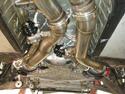
I've got my breather tank (2 -10 lines from valve covers) up by one of my turbo inlet filters which helps suck up some stink under load. I use the stock pvc line to the valley port with good sealed catch can with a check valve to clean up the crankcase in vacuum.

Thread Starter
TECH Enthusiast
Joined: Apr 2023
Posts: 533
Likes: 85
This is pretty simple...
-For a street car that you actually drive and put a good amount of miles on use a catch can setup that retains your PCV, it's there for a reason. I like the MightyMouse Wild catch can setup.
-For a race car that you keep on top of oil changes and don't mind some oil vapor smell, just run as big of a breather system as you can to make sure you have no crank case pressure build up.
-For a street car that you actually drive and put a good amount of miles on use a catch can setup that retains your PCV, it's there for a reason. I like the MightyMouse Wild catch can setup.
-For a race car that you keep on top of oil changes and don't mind some oil vapor smell, just run as big of a breather system as you can to make sure you have no crank case pressure build up.
I started this thread because I've been told that for a boosted engine, which is what I'm doing now, you also MUST have vaccum being pulled on the crankcase. Now I'm learning thats not true also. So Im glad I asked everyone here.
Horrible design from all of the auto manufacturers, IMO. Maybe they did it on purpose knowing an entire top end cleaning industry could be born. Why not just add an electric vacuum motor that pulls constantly and can regulate itself for idle, cruise and WOT. There's a lot of parts on all cars that are able to do simple things like that.
----Then for those millions of people who drive around and have their PCV valve fail.....and don't know it, there' engine is getting completely trashed.
I have an electric vacuum motor that pulled vacuum on my big stroker motor for about 10 years. Never an oil smell and always a perfectly clean intake, heads, pistons etc....
My brand new motor is going into my car as we speak, I want my top end to experience zero oil mist/vapors for its whole life. I always do 2500 mile oil changes, just because its too cheap not to, so there's no chance my oil will ever get dirty from NOT having a crankcase vaccum pull......it'll just have breathers.
Last edited by BigBoyWS6; Oct 21, 2023 at 10:11 AM.
The point of this is to stop oil mist/vapors ever going in the intake (where ONLY air was meant ever be). I refuse to ever liet oil go into my intake again, and then into the engine to slowly deteriorate everything. There's an entire industry with products designed to clean dirty top ends, I don't want to buy those products and I really don't want crap building up in my top end.
I started this thread because I've been told that for a boosted engine, which is what I'm doing now, you also MUST have vaccum being pulled on the crankcase. Now I'm learning thats not true also. So Im glad I asked everyone here.
Horrible design from all of the auto manufacturers, IMO. Maybe they did it on purpose knowing an entire top end cleaning industry could be born. Why not just add an electric vacuum motor that pulls constantly and can regulate itself for idle, cruise and WOT. There's a lot of parts on all cars that are able to do simple things like that.
----Then for those millions of people who drive around and have their PCV valve fail.....and don't know it, there' engine is getting completely trashed.
I have an electric vacuum motor that pulled vacuum on my big stroker motor for about 10 years. Never an oil smell and always a perfectly clean intake, heads, pistons etc....
My brand new motor is going into my car as we speak, I want my top end to experience zero oil mist/vapors for its whole life. I always do 2500 mile oil changes, just because its too cheap not to, so there's no chance my oil will ever get dirty from NOT having a crankcase vaccum pull......it'll just have breathers.
I started this thread because I've been told that for a boosted engine, which is what I'm doing now, you also MUST have vaccum being pulled on the crankcase. Now I'm learning thats not true also. So Im glad I asked everyone here.
Horrible design from all of the auto manufacturers, IMO. Maybe they did it on purpose knowing an entire top end cleaning industry could be born. Why not just add an electric vacuum motor that pulls constantly and can regulate itself for idle, cruise and WOT. There's a lot of parts on all cars that are able to do simple things like that.
----Then for those millions of people who drive around and have their PCV valve fail.....and don't know it, there' engine is getting completely trashed.
I have an electric vacuum motor that pulled vacuum on my big stroker motor for about 10 years. Never an oil smell and always a perfectly clean intake, heads, pistons etc....
My brand new motor is going into my car as we speak, I want my top end to experience zero oil mist/vapors for its whole life. I always do 2500 mile oil changes, just because its too cheap not to, so there's no chance my oil will ever get dirty from NOT having a crankcase vaccum pull......it'll just have breathers.
Either way whoever said that you need to have vacuum being pulled on the crankcase for a boosted engine is wrong as well.
Thread Starter
TECH Enthusiast
Joined: Apr 2023
Posts: 533
Likes: 85
Horrible design? It's the only way to make it work and not have it vent to the atmosphere and most of them have separators and baffles to reduce the oil "mist" as much as possible. Either way the PCV system is what makes motors last longer, not shorter. The minimal oil vapor that goes into your intake manifold from the PCV system does NOTHING to hurt your motor or shorten it's life and it's quite the opposite.
Either way whoever said that you need to have vacuum being pulled on the crankcase for a boosted engine is wrong as well.
Either way whoever said that you need to have vacuum being pulled on the crankcase for a boosted engine is wrong as well.
Actually, maybe their not morons after all.....it was genius. Let the buyer worry about the damage later when they are no longer responsible.
You can't say vacuum systems with OIL MIST entering the entire top end is a good thing.....good luck getting anyone to believe that. You've been on here a long time.....you know its ridiculous to have oil mist going into a system designed ONLY for clean AIR.
Its an AIR intake, heads operate with AIR, runners carry AIR, cylinders need AIR. We all strive to get a clean air/fuel mixture. ........NOT OIL.......
And AGAIN......with all of the sophisticated parts and computers on cars today that cost mega dollars to design and produce, I'm in shock that nobody did what I did and used a simple tiny electric vacuum pump to pull vacuum. I did that for 10+ years on an LS stroker that lasted 170,000 miles and ZERO oil mist went into my AIR intake, leaving every single part of my top end clean as can be.
No way oil is going into my very expensive "air pump" when there's another option that works just as well as the intake vacuum method.....without the damage later on.
How many people report that after doing a top end cleaning that their engine is running MUCH MUCH better......tens of thousands of people???? That proves this vacuum thorugh the intake method DOES SLOWLY DAMAGE engines.



PCV, for such a simple concept, is often one of the most discussed/evaluated systems on a vehicle. To put it simply, PCV is for emissions to keep unburnt gasses from going into the atmosphere, and PCV turns it into a closed system. The issue is oil mist can promote detonation.
Another concept that is often overlooked is that PCV can only pull vacuum when the intake is generating vacuum (idle and part throttle cruising) and blow-by/cylinder pressure are the lowest. At WOT, there's zero, or near-zero vacuum, and cylinder pressures are their highest, so the system goes from pulling a vacuum on the crankcase to being a pressure release from the bottom end into the intake air stream.
So, in saying you NEED a vacuum - for what purpose?
...For emissions, yes you do (but there's not technically a vacuum under all operating conditions, especially at WOT - which is not really the concern of the OEM when it comes to certifications to produce their cars).
...For all out performance, you absolutely do not. It may actually be a detriment due to introducing oil mist into the intake and promoting detonation.
Catch cans, or air/oil separators, are an attempt to bridge the gap between compliance and performance.
Burn down tubes, vented valve covers, and breather tanks are for performance in which emissions aren't the consideration, and you wish to simply handle the issue of blow-by and prevent crankcase pressure, while not coating everything under the hood in a film of oil.
A somewhat separate topic is having a vacuum pump. Beyond the effects of crankcase dynamics in a vacuum and ring seal, the discharge side of the pump may be treated the same, either dumped into a vented can, or directed into the intake (I'm not aware of anyone choosing the second option with a vacuum pump, but in theory you could).
From what I have seen, the closest to having both systems present are vented catch cans with a rubber flapper disc under the filter. At part throttle/idle, the flapper acts as a checkvalve, sealing shut under vacuum, pulling the air/oil mist in, separating it, and drawing into the intake. But during WOT when the vacuum drops and blow-by increases, the pressure generated pushes through the flapper and exits through the filter.
Now for boost, the same principles apply (with exception of a vacuum source), however it depends on where you place the hose from the can. If you have a flapper style vented can, you can place the tube in the charge pipe with a checkvalve and essentially turn it into a breather tank under boost. Or you could place the hose in front of the turbo/supercharger inlet to always be under vacuum from the venturi effect (how much vacuum depends on your pre-compressor setup).
Depending on what you need the car to do, application, and rules you may need to follow, your needs may vary. However you do not see many, if at all, dedicated race cars with PCV/catch cans (breather tanks aren't the same), and you don't see any emissions compliant vehicles without a functional PCV system.
Another concept that is often overlooked is that PCV can only pull vacuum when the intake is generating vacuum (idle and part throttle cruising) and blow-by/cylinder pressure are the lowest. At WOT, there's zero, or near-zero vacuum, and cylinder pressures are their highest, so the system goes from pulling a vacuum on the crankcase to being a pressure release from the bottom end into the intake air stream.
So, in saying you NEED a vacuum - for what purpose?
...For emissions, yes you do (but there's not technically a vacuum under all operating conditions, especially at WOT - which is not really the concern of the OEM when it comes to certifications to produce their cars).
...For all out performance, you absolutely do not. It may actually be a detriment due to introducing oil mist into the intake and promoting detonation.
Catch cans, or air/oil separators, are an attempt to bridge the gap between compliance and performance.
Burn down tubes, vented valve covers, and breather tanks are for performance in which emissions aren't the consideration, and you wish to simply handle the issue of blow-by and prevent crankcase pressure, while not coating everything under the hood in a film of oil.
A somewhat separate topic is having a vacuum pump. Beyond the effects of crankcase dynamics in a vacuum and ring seal, the discharge side of the pump may be treated the same, either dumped into a vented can, or directed into the intake (I'm not aware of anyone choosing the second option with a vacuum pump, but in theory you could).
From what I have seen, the closest to having both systems present are vented catch cans with a rubber flapper disc under the filter. At part throttle/idle, the flapper acts as a checkvalve, sealing shut under vacuum, pulling the air/oil mist in, separating it, and drawing into the intake. But during WOT when the vacuum drops and blow-by increases, the pressure generated pushes through the flapper and exits through the filter.
Now for boost, the same principles apply (with exception of a vacuum source), however it depends on where you place the hose from the can. If you have a flapper style vented can, you can place the tube in the charge pipe with a checkvalve and essentially turn it into a breather tank under boost. Or you could place the hose in front of the turbo/supercharger inlet to always be under vacuum from the venturi effect (how much vacuum depends on your pre-compressor setup).
Depending on what you need the car to do, application, and rules you may need to follow, your needs may vary. However you do not see many, if at all, dedicated race cars with PCV/catch cans (breather tanks aren't the same), and you don't see any emissions compliant vehicles without a functional PCV system.

Teching In
Joined: Dec 2022
Posts: 46
Likes: 9
From: SE Wisconsin
Yes, IMO, a moron thought of that idea and many more morons followed that idea and everyone manufactured cars that way. They took the easy way out and did something that HURTS every single car made that way. They did it that way because they know damn well cars won't experience any trouble from that OIL MIST going through the engine for years into the future when the car is out of warranty so its not their problem. Then the 95% of idiots that get their cars serviced at the dealership AFTER warranty is expired will pay $500 for the dealer to run a can or top end cleaner though the engine to make a smoke show and replace their $3.00 PCV valve.
Actually, maybe their not morons after all.....it was genius. Let the buyer worry about the damage later when they are no longer responsible.
You can't say vacuum systems with OIL MIST entering the entire top end is a good thing.....good luck getting anyone to believe that. You've been on here a long time.....you know its ridiculous to have oil mist going into a system designed ONLY for clean AIR.
Its an AIR intake, heads operate with AIR, runners carry AIR, cylinders need AIR. We all strive to get a clean air/fuel mixture. ........NOT OIL.......
And AGAIN......with all of the sophisticated parts and computers on cars today that cost mega dollars to design and produce, I'm in shock that nobody did what I did and used a simple tiny electric vacuum pump to pull vacuum. I did that for 10+ years on an LS stroker that lasted 170,000 miles and ZERO oil mist went into my AIR intake, leaving every single part of my top end clean as can be.
No way oil is going into my very expensive "air pump" when there's another option that works just as well as the intake vacuum method.....without the damage later on.
How many people report that after doing a top end cleaning that their engine is running MUCH MUCH better......tens of thousands of people???? That proves this vacuum thorugh the intake method DOES SLOWLY DAMAGE engines.
Actually, maybe their not morons after all.....it was genius. Let the buyer worry about the damage later when they are no longer responsible.
You can't say vacuum systems with OIL MIST entering the entire top end is a good thing.....good luck getting anyone to believe that. You've been on here a long time.....you know its ridiculous to have oil mist going into a system designed ONLY for clean AIR.
Its an AIR intake, heads operate with AIR, runners carry AIR, cylinders need AIR. We all strive to get a clean air/fuel mixture. ........NOT OIL.......
And AGAIN......with all of the sophisticated parts and computers on cars today that cost mega dollars to design and produce, I'm in shock that nobody did what I did and used a simple tiny electric vacuum pump to pull vacuum. I did that for 10+ years on an LS stroker that lasted 170,000 miles and ZERO oil mist went into my AIR intake, leaving every single part of my top end clean as can be.
No way oil is going into my very expensive "air pump" when there's another option that works just as well as the intake vacuum method.....without the damage later on.
How many people report that after doing a top end cleaning that their engine is running MUCH MUCH better......tens of thousands of people???? That proves this vacuum thorugh the intake method DOES SLOWLY DAMAGE engines.
I've tackled this scenario from a couple different angles on a couple different cars like others on this post and I think they'll agree, guys make it way too complicated.
PCV or atmosphere, makes little difference in the end, just make sure the pressure can get out quickly and easily and your engine will be much happier.
These cars are rarely driven for 100K miles after being modified for turbo systems so the mindset that a factory PCV system must be employed is false.
I change the oil in mine twice a year because Delo 15-40 is cheap and when you're making 2-3x the factory power levels, changing the oil frequently is cheap insurance imho.
If you are changing the oil frequently in your hot rod as well, an atmosphere vent system is simple and just makes more sense.
PCV or atmosphere, makes little difference in the end, just make sure the pressure can get out quickly and easily and your engine will be much happier.
These cars are rarely driven for 100K miles after being modified for turbo systems so the mindset that a factory PCV system must be employed is false.
I change the oil in mine twice a year because Delo 15-40 is cheap and when you're making 2-3x the factory power levels, changing the oil frequently is cheap insurance imho.
If you are changing the oil frequently in your hot rod as well, an atmosphere vent system is simple and just makes more sense.
Another option that I've done is run a slanted tube in the wastegate dump tube. It just vents while cruising and idle and pulls a vacuum while in boost when the wastegate is open. Based on the bernoulli principle.
Worked great even with mufflers and from what I was told, could actually put the crank case under vacuum at WOT.
I wonder if you could do the same thing with a fender exit setup?
I forgot about that option, I did that on my old 70 Camaro BBC drag car, ran twin evacs into each header collector from both valve covers.
Worked great even with mufflers and from what I was told, could actually put the crank case under vacuum at WOT.
I wonder if you could do the same thing with a fender exit setup?
Worked great even with mufflers and from what I was told, could actually put the crank case under vacuum at WOT.
I wonder if you could do the same thing with a fender exit setup?