Best intake manifold for turbo kit?

Thread Starter


Joined: Nov 2001
Posts: 8,246
Likes: 34
From: Victoria, TX

Are you trying to measure boost or power for your test? Don't worry about the boost, its just an indication of how restrictive your intake components are. Forget about the boost level entirely- its just a number. Instead, measure power per airflow out of the turbo. That will be a true indication of if the FAST actually adds power.
Problem is, your turbo will never flow to it's full potential as long the motor it's feeding has impediments to flow. Freer flowing intercoolers, better flowing intakes and better flowing cylinder heads all help reduce flow loss and pressure drop. I'm just looking for ways to increase the turbo's flow potential going into the engine.
This is still before we even consider a waste gate setting or how much power an engine will take before it pushes water or breaks. Those two items are valid as well. If my waste gate is set at 10psi, wouldn't I make more power with heads/intake that flowed better? Of course, a motor will probably push water at a particular cylinder pressure and not necessarily a particular boost pressure. I do like the fact that lowering restrictions has the tendancy to lower intake air temps. That's a bonus.
Guys, this is all bench racing of course and it's not meant to do anything but open up the avenues of thought and help me (and hopefully others) choose the right components for a turbo build.

__________________

2013 Corvette Grand Sport A6 LME forged 416, Greg Good ported TFS 255 LS3 heads, 222/242 .629"/.604" 121LSA Pat G blower cam, ARH 1 7/8" headers, ESC Novi 1500 Supercharger w/8 rib direct drive conversion, 747rwhp/709rwtq on 93 octane, 801rwhp/735rwtq on race fuel, 10.1 @ 147.25mph 1/4 mile, 174.7mph Half Mile.
2016 Corvette Z51 M7 Magnuson Heartbeat 2300 supercharger, TSP LT headers, Pat G tuned, 667rwhp, 662rwtq, 191mph TX Mile.
2009.5 Pontiac G8 GT 6.0L, A6, AFR 230v2 heads. 506rwhp/442rwtq. 11.413 @ 121.29mph 1/4 mile, 168.7mph TX Mile
2000 Pewter Ram Air Trans Am M6 heads/cam 508 rwhp/445 rwtq SAE, 183.092 TX Mile
2022 Cadillac Escalade 6.2L A10 S&B CAI, Corsa catback.
2023 Corvette 3LT Z51 soon to be modified.
Custom LSX tuning in person or via email press here.
2013 Corvette Grand Sport A6 LME forged 416, Greg Good ported TFS 255 LS3 heads, 222/242 .629"/.604" 121LSA Pat G blower cam, ARH 1 7/8" headers, ESC Novi 1500 Supercharger w/8 rib direct drive conversion, 747rwhp/709rwtq on 93 octane, 801rwhp/735rwtq on race fuel, 10.1 @ 147.25mph 1/4 mile, 174.7mph Half Mile.
2016 Corvette Z51 M7 Magnuson Heartbeat 2300 supercharger, TSP LT headers, Pat G tuned, 667rwhp, 662rwtq, 191mph TX Mile.
2009.5 Pontiac G8 GT 6.0L, A6, AFR 230v2 heads. 506rwhp/442rwtq. 11.413 @ 121.29mph 1/4 mile, 168.7mph TX Mile
2000 Pewter Ram Air Trans Am M6 heads/cam 508 rwhp/445 rwtq SAE, 183.092 TX Mile
2022 Cadillac Escalade 6.2L A10 S&B CAI, Corsa catback.
2023 Corvette 3LT Z51 soon to be modified.
Custom LSX tuning in person or via email press here.

I think the exact opposite about not wanting to use methanol as a "fail-able" device. All it takes is one bad tank of gas from a gas station to lose the motor. A couple less octane due to uncontrollable factors would be more likely than a methanol failure. With methanol you will have more than enough octane to keep it safe.

KP, you're one of the brightest guys on the board, so don't take this comment with disrespect, but I don't think that's not how it works in the NA world. When running NA, your atmospheric pressure stays relatively constant. Put another way, your "boost" going into the motor stays constant. Additional airflow from reduced pressure drop typically leads to increased power. Of course, when comparing power between cylinder heads or intake manifolds, it's critical that the density altitude be the same (or at least corrected) for the test to be a true A-B comparison.
If your barometer was at 30.55 when you tested manifold A, then 29.80 when you tested manifold B, you wouldn't have a valid comparison of flow potential or power potential without correcting them back to a baseline number, but I digress.
For the test to be valid in boost mode, you would want/need the boost/pressure going into the intake manifold to be the same for both tests. Otherwise, it would be like testing one intake NA on a 30.55 barometer day and the other manifold on a 29.80 day.
If your barometer was at 30.55 when you tested manifold A, then 29.80 when you tested manifold B, you wouldn't have a valid comparison of flow potential or power potential without correcting them back to a baseline number, but I digress.
For the test to be valid in boost mode, you would want/need the boost/pressure going into the intake manifold to be the same for both tests. Otherwise, it would be like testing one intake NA on a 30.55 barometer day and the other manifold on a 29.80 day.
What if the compressor or intercooler couldnt support any more airflow (or boost pressure) then what? What if your compressor was too big and by turning it up a little you start getting more into its efficiency range - what made more power the compressor or the intake?
We can go in circles forever with this, put away the pocket protector and slide rule for now. You asked what is 'better' for your 800rwhp 346, I simply stated I tried them both and neither is 'better.' Well unless you like the way one looks anyway.
So all you have to do is try it for yourself, you have both, knock your socks off and prove me (and even Kurt from W2W) wrong. Wont bother me in the least since I dont sell/promote neither

edit: I didnt even see the APS thread (I pay little attention to dyno threads), well there you go - 826rwhp and you can use your FAST 90/90 - question answered.
Last edited by kp; Nov 16, 2007 at 02:46 PM.

8 sec potential, 12 sec slip
iTrader: (50)
Joined: Apr 2002
Posts: 4,092
Likes: 2
From: Savannah, GA
OK, I agree with you. The airflow coming out of the turbo is the better indicator of power.
Problem is, your turbo will never flow to it's full potential as long the motor it's feeding has impediments to flow. Freer flowing intercoolers, better flowing intakes and better flowing cylinder heads all help reduce flow loss and pressure drop. I'm just looking for ways to increase the turbo's flow potential going into the engine.
This is still before we even consider a waste gate setting or how much power an engine will take before it pushes water or breaks. Those two items are valid as well. If my waste gate is set at 10psi, wouldn't I make more power with heads/intake that flowed better? Of course, a motor will probably push water at a particular cylinder pressure and not necessarily a particular boost pressure. I do like the fact that lowering restrictions has the tendancy to lower intake air temps. That's a bonus.
Guys, this is all bench racing of course and it's not meant to do anything but open up the avenues of thought and help me (and hopefully others) choose the right components for a turbo build.
Problem is, your turbo will never flow to it's full potential as long the motor it's feeding has impediments to flow. Freer flowing intercoolers, better flowing intakes and better flowing cylinder heads all help reduce flow loss and pressure drop. I'm just looking for ways to increase the turbo's flow potential going into the engine.
This is still before we even consider a waste gate setting or how much power an engine will take before it pushes water or breaks. Those two items are valid as well. If my waste gate is set at 10psi, wouldn't I make more power with heads/intake that flowed better? Of course, a motor will probably push water at a particular cylinder pressure and not necessarily a particular boost pressure. I do like the fact that lowering restrictions has the tendancy to lower intake air temps. That's a bonus.
Guys, this is all bench racing of course and it's not meant to do anything but open up the avenues of thought and help me (and hopefully others) choose the right components for a turbo build.
If you change the baromatric pressure and change the airflow from a compressor you are doing exactly the same thing. Its just much easier to do on a forced induction application - could be why its kinda popular and has nothing to do with NA testing.
What if the compressor or intercooler couldnt support any more airflow (or boost pressure) then what? What if your compressor was too big and by turning it up a little you start getting more into its efficiency range - what made more power the compressor or the intake?
We can go in circles forever with this, put away the pocket protector and slide rule for now. You asked what is 'better' for your 800rwhp 346, I simply stated I tried them both and neither is 'better.' Well unless you like the way one looks anyway.
So all you have to do is try it for yourself, you have both, knock your socks off and prove me (and even Kurt from W2W) wrong. Wont bother me in the least since I dont sell/promote neither
edit: I didnt even see the APS thread (I pay little attention to dyno threads), well there you go - 826rwhp and you can use your FAST 90/90 - question answered.
What if the compressor or intercooler couldnt support any more airflow (or boost pressure) then what? What if your compressor was too big and by turning it up a little you start getting more into its efficiency range - what made more power the compressor or the intake?
We can go in circles forever with this, put away the pocket protector and slide rule for now. You asked what is 'better' for your 800rwhp 346, I simply stated I tried them both and neither is 'better.' Well unless you like the way one looks anyway.
So all you have to do is try it for yourself, you have both, knock your socks off and prove me (and even Kurt from W2W) wrong. Wont bother me in the least since I dont sell/promote neither
edit: I didnt even see the APS thread (I pay little attention to dyno threads), well there you go - 826rwhp and you can use your FAST 90/90 - question answered.

Patrick G, to sum it up, the FAST 90 doesn't make more power LOL.
If you can't take advice from Kurt at W2W or KP who has a lot of real world experience then you will just be throwing money out the window.
Things work differently here on the dark side.
If you can't take advice from Kurt at W2W or KP who has a lot of real world experience then you will just be throwing money out the window.
Things work differently here on the dark side.


Even if the air mass output of the turbo/supercharger was controlled and the manifolds were swapped, the *charger wouldn't be having to work as hard to compress the air and force it in the cylinders with a better-flowing intake manifold, which would lower IAT's and allow either 1) same power to be made with lower octane, or 2) more power made with the same octane through increased timing.
So...even controlling the air mass...the FAST90 setup should theoretically make more power at a given octane rating....but only really if it is tuned for it (more timing, etc.).
Really, to be fair in this test is to not be fair. The "fairest" way to do this to show the true difference in power between them...run the same octane fuel through them both, in this case, let's say 93 because he wants the most streetable power. Now do whatever you have to do with boost or tuning to get the most power out of the setup with each intake.
So you're upping air mass output from the turbo? So what? That's something you are now able to take advantage of because of the less restrictive intake and lower IATs. That still makes the intake superior to the other one. It is allowing you to do something that you cannot do with the other intake, hence an obvious performance advantage.
If you can make 800rwhp on 93 octane with the LS6 intake, and running the FAST intake allows you to increase air output from the turbo (by keeping the boost level the same but obviously flowing more with the FAST), and you now make 820rwhp....the FAST intake is clearly superior, is it not?
Same goes for a supercharged system. If the FAST intake is running less PSI and lower IATs with the same size pulley....drop the pulley size and get the boost back up there. Is this fair? YES! Ultimately, the FAST intake is ALLOWING you to drop the pulley size further than the LS6 intake is allowing you to...therefore, advantage to the FAST for more power.
How much power will be gained? I don't know...someone would need to do some back-to-back testing for that obviously, but theoretically there should be SOME gain.
Is it worth the money? To some people it would depend on how much power is gained for what amount of money is spent. To other people, that doesn't matter if they are just trying to get the most they can out of a setup. Like Patrick said, money is clearly not an issue here as he already has the intake. So really, the "is it worth it?" question shouldn't even be in this thread, because that is not what is being asked.
So...even controlling the air mass...the FAST90 setup should theoretically make more power at a given octane rating....but only really if it is tuned for it (more timing, etc.).
Really, to be fair in this test is to not be fair. The "fairest" way to do this to show the true difference in power between them...run the same octane fuel through them both, in this case, let's say 93 because he wants the most streetable power. Now do whatever you have to do with boost or tuning to get the most power out of the setup with each intake.
So you're upping air mass output from the turbo? So what? That's something you are now able to take advantage of because of the less restrictive intake and lower IATs. That still makes the intake superior to the other one. It is allowing you to do something that you cannot do with the other intake, hence an obvious performance advantage.
If you can make 800rwhp on 93 octane with the LS6 intake, and running the FAST intake allows you to increase air output from the turbo (by keeping the boost level the same but obviously flowing more with the FAST), and you now make 820rwhp....the FAST intake is clearly superior, is it not?
Same goes for a supercharged system. If the FAST intake is running less PSI and lower IATs with the same size pulley....drop the pulley size and get the boost back up there. Is this fair? YES! Ultimately, the FAST intake is ALLOWING you to drop the pulley size further than the LS6 intake is allowing you to...therefore, advantage to the FAST for more power.
How much power will be gained? I don't know...someone would need to do some back-to-back testing for that obviously, but theoretically there should be SOME gain.
Is it worth the money? To some people it would depend on how much power is gained for what amount of money is spent. To other people, that doesn't matter if they are just trying to get the most they can out of a setup. Like Patrick said, money is clearly not an issue here as he already has the intake. So really, the "is it worth it?" question shouldn't even be in this thread, because that is not what is being asked.
You say "The extra power you'd see is not from the intake manifold, its from the extra boost you'd have to crank the turbo up to get the fast at the same pressure!" You're not cranking in more boost. The boost is the same. You might be adding airflow to get to the SAME boost, but you're not adding boost.
And like I said, regardless of how the extra air is entering the engine (more output from turbo), the less restrictive intake is still allowing more power to be made than with the LS6 intake!

I'm glad someone started talking about flow. I hadn't read this thread in a couple days and that's all I could think about reading people's responses up to this point.
I think of meth as a consumable. Once you run out you're done. I've seen a couple people do this before.
I think the exact opposite about not wanting to use methanol as a "fail-able" device. All it takes is one bad tank of gas from a gas station to lose the motor. A couple less octane due to uncontrollable factors would be more likely than a methanol failure. With methanol you will have more than enough octane to keep it safe.

That's just not an issue, when the low level light comes on, you will need more soon, just like gas. Honestly, if you haven't used it, you don't realize how little you need and how long it lasts. You have to appreciate being able to protect an investment.
Even if the air mass output of the turbo/supercharger was controlled and the manifolds were swapped, the *charger wouldn't be having to work as hard to compress the air and force it in the cylinders with a better-flowing intake manifold, which would lower IAT's and allow either 1) same power to be made with lower octane, or 2) more power made with the same octane through increased timing.
So...even controlling the air mass...the FAST90 setup should theoretically make more power at a given octane rating....but only really if it is tuned for it (more timing, etc.).
Really, to be fair in this test is to not be fair. The "fairest" way to do this to show the true difference in power between them...run the same octane fuel through them both, in this case, let's say 93 because he wants the most streetable power. Now do whatever you have to do with boost or tuning to get the most power out of the setup with each intake.
So you're upping air mass output from the turbo? So what? That's something you are now able to take advantage of because of the less restrictive intake and lower IATs. That still makes the intake superior to the other one. It is allowing you to do something that you cannot do with the other intake, hence an obvious performance advantage.
If you can make 800rwhp on 93 octane with the LS6 intake, and running the FAST intake allows you to increase air output from the turbo (by keeping the boost level the same but obviously flowing more with the FAST), and you now make 820rwhp....the FAST intake is clearly superior, is it not?
Same goes for a supercharged system. If the FAST intake is running less PSI and lower IATs with the same size pulley....drop the pulley size and get the boost back up there. Is this fair? YES! Ultimately, the FAST intake is ALLOWING you to drop the pulley size further than the LS6 intake is allowing you to...therefore, advantage to the FAST for more power.
How much power will be gained? I don't know...someone would need to do some back-to-back testing for that obviously, but theoretically there should be SOME gain.
Is it worth the money? To some people it would depend on how much power is gained for what amount of money is spent. To other people, that doesn't matter if they are just trying to get the most they can out of a setup. Like Patrick said, money is clearly not an issue here as he already has the intake. So really, the "is it worth it?" question shouldn't even be in this thread, because that is not what is being asked.
So...even controlling the air mass...the FAST90 setup should theoretically make more power at a given octane rating....but only really if it is tuned for it (more timing, etc.).
Really, to be fair in this test is to not be fair. The "fairest" way to do this to show the true difference in power between them...run the same octane fuel through them both, in this case, let's say 93 because he wants the most streetable power. Now do whatever you have to do with boost or tuning to get the most power out of the setup with each intake.
So you're upping air mass output from the turbo? So what? That's something you are now able to take advantage of because of the less restrictive intake and lower IATs. That still makes the intake superior to the other one. It is allowing you to do something that you cannot do with the other intake, hence an obvious performance advantage.
If you can make 800rwhp on 93 octane with the LS6 intake, and running the FAST intake allows you to increase air output from the turbo (by keeping the boost level the same but obviously flowing more with the FAST), and you now make 820rwhp....the FAST intake is clearly superior, is it not?
Same goes for a supercharged system. If the FAST intake is running less PSI and lower IATs with the same size pulley....drop the pulley size and get the boost back up there. Is this fair? YES! Ultimately, the FAST intake is ALLOWING you to drop the pulley size further than the LS6 intake is allowing you to...therefore, advantage to the FAST for more power.
How much power will be gained? I don't know...someone would need to do some back-to-back testing for that obviously, but theoretically there should be SOME gain.
Is it worth the money? To some people it would depend on how much power is gained for what amount of money is spent. To other people, that doesn't matter if they are just trying to get the most they can out of a setup. Like Patrick said, money is clearly not an issue here as he already has the intake. So really, the "is it worth it?" question shouldn't even be in this thread, because that is not what is being asked.
First off I dont use a chassis dyno to evaluate my parts so if you are a dyno guy stop reading right now..
Last year with a set of Dart heads and a 222/228 115 XE cam my car ran high 9.3x @ 145 corrected for sea level. Not once, but maybe 50 times or so with a D1SC with 7.25/3.7 pulley at ~15psi.
Put a FAST 90/90 on the car, ran it three weekends. Messed with timing some, I run the BS3 in closed loop wideband controlled most of the time and thats how I ran it. Car picked up nothing, 'boost' never changed. Cant be I figured, myself personally have put FAST 90/90s on N/A cars and picked up a solid tenth and couple mph. So I put the LS6 back on thinking something else was wrong, once again the car ran exactly the same.
Early this year I swapped out the Dart 225 heads to AFR 225 heads mostly for pushing water issues. Car ran 9.20s corrected and 2mph more in the 1/4. Not once, not twice, but everytime the car went out. 'Boost' dropped maybe 1/2psi average. Now get this, I DIDNT HAVE TO CHANGE BLOWER PULLEYS/INCREASE AIRFLOW OR CHANGE THE TUNE MUCH FOR A SIGNIFICANT GAIN.
A little later in the year, since I wanted to eventually run in the 8s and relieve a litle midrange cylinder pressure plus kill a little bottom end help keep the front end down, I swapped cams to a 232/240 115 XER. Dropped another 1/2lb of 'boost' and picked up .1 and 2mph. Not once, not twice, but everytime the car went out. And get this, I DIDNT HAVE TO CHANGE BLOWER PULLEYS/ INCREASE AIRFLOW OR CHANGE THE TUNE MUCH FOR A SIGNIFICANT GAIN.
So I went from a mid 9.40 @ 145mph car to a 9.15 at 149mph car with the same exact pulleys with maybe one less 'psi' so why on earth should i have to increase the 'boost pressure' on an intake to see its 'true gain' when these two things made a significant and repeatable difference without having to do so? So you want me to explain why the vaunted FAST 90/90 didnt deliver, dont know, dont care, doesnt make a lot of sense. I'm not an engineer nor do I represent myself as one because I read a book or two.
Maybe thats why I have a somewhat fast car in my garage and not on a piece of paper because I dont have to know how to design and build a digital watch to tell time properly lol.
I realize this thread has nothing to do with money, IMO by all means if you want to spend 1300 for no significant gain on a 800hp 346 go ahead and do so. If you have a FAST 90/90 from a previous setup I dont see any reason not to use it. I am not anti-FAST intakes, I have seen some pretty good results with them on NA cars many times. I'm all for people swapping them and testing them, just keep it fair and not a sales pitch or infomercial.
Also as a side note you say why not increase the 'boost pressure' since the intake MUST be better so why not see the gain? Same applies to the LS6 no? I put a bigger blower on the car with the lowly LS6 intake and run 8.90s @ 152, obviously the LS6 isnt done yet. If I still had the FAST 90/90 here I would probably try it again but I dont and I wont buy another one, but thats why I encourage people to test for themselves - I'm pretty confident in my results but i never said I was infallible
Or I could just say, only people who have had a 800+ horsepower FI 346 and have swapped between a fast 90/90 and an LS6 can post in this thread, but then this thread would only have 2 or three posts in it
Thread Starter
Joined: Nov 2001
Posts: 8,246
Likes: 34
From: Victoria, TX
KP, all the points you make are great and very valid. The one thing I noticed with your swaps that gained power and mph (with no blower changes) were that the mods (head swap, cam swap) benefit better breathing on both the intake and exhaust side. Tony Mamo mentioned this earlier in the thread. If you increase airflow, you still need to get it out. The mods you did obviously helped in both areas.
Your FAST testing proves that either the FAST manifold didn't flow any better than the LS6 manifold under boost, or if it did, then there was not an appropriate increase in exhaust flow to get it out. Probably the first reason...
Your FAST testing proves that either the FAST manifold didn't flow any better than the LS6 manifold under boost, or if it did, then there was not an appropriate increase in exhaust flow to get it out. Probably the first reason...
__________________
2013 Corvette Grand Sport A6 LME forged 416, Greg Good ported TFS 255 LS3 heads, 222/242 .629"/.604" 121LSA Pat G blower cam, ARH 1 7/8" headers, ESC Novi 1500 Supercharger w/8 rib direct drive conversion, 747rwhp/709rwtq on 93 octane, 801rwhp/735rwtq on race fuel, 10.1 @ 147.25mph 1/4 mile, 174.7mph Half Mile.
2016 Corvette Z51 M7 Magnuson Heartbeat 2300 supercharger, TSP LT headers, Pat G tuned, 667rwhp, 662rwtq, 191mph TX Mile.
2009.5 Pontiac G8 GT 6.0L, A6, AFR 230v2 heads. 506rwhp/442rwtq. 11.413 @ 121.29mph 1/4 mile, 168.7mph TX Mile
2000 Pewter Ram Air Trans Am M6 heads/cam 508 rwhp/445 rwtq SAE, 183.092 TX Mile
2022 Cadillac Escalade 6.2L A10 S&B CAI, Corsa catback.
2023 Corvette 3LT Z51 soon to be modified.
Custom LSX tuning in person or via email press here.
2013 Corvette Grand Sport A6 LME forged 416, Greg Good ported TFS 255 LS3 heads, 222/242 .629"/.604" 121LSA Pat G blower cam, ARH 1 7/8" headers, ESC Novi 1500 Supercharger w/8 rib direct drive conversion, 747rwhp/709rwtq on 93 octane, 801rwhp/735rwtq on race fuel, 10.1 @ 147.25mph 1/4 mile, 174.7mph Half Mile.
2016 Corvette Z51 M7 Magnuson Heartbeat 2300 supercharger, TSP LT headers, Pat G tuned, 667rwhp, 662rwtq, 191mph TX Mile.
2009.5 Pontiac G8 GT 6.0L, A6, AFR 230v2 heads. 506rwhp/442rwtq. 11.413 @ 121.29mph 1/4 mile, 168.7mph TX Mile
2000 Pewter Ram Air Trans Am M6 heads/cam 508 rwhp/445 rwtq SAE, 183.092 TX Mile
2022 Cadillac Escalade 6.2L A10 S&B CAI, Corsa catback.
2023 Corvette 3LT Z51 soon to be modified.
Custom LSX tuning in person or via email press here.
KP, all the points you make are great and very valid. The one thing I noticed with your swaps that gained power and mph (with no blower changes) were that the mods (head swap, cam swap) benefit better breathing on both the intake and exhaust side. Tony Mamo mentioned this earlier in the thread. If you increase airflow, you still need to get it out. The mods you did obviously helped in both areas.
Your FAST testing proves that either the FAST manifold didn't flow any better than the LS6 manifold under boost, or if it did, then there was not an appropriate increase in exhaust flow to get it out. Probably the first reason...
Your FAST testing proves that either the FAST manifold didn't flow any better than the LS6 manifold under boost, or if it did, then there was not an appropriate increase in exhaust flow to get it out. Probably the first reason...
Main reason I swapped the LS6 cam out was it was 'brick walled' so to speak, add more boost - nothing happened. Cam swap eliminated that. I thought at one point the intake was a 'brick wall' as well and thats why I made the switch, but after putting the LS6 back on after no gain, swapping the heads and picking up again with the LS6 that kinda squelched that idea, same with going to a bigger cam and bigger blower so I just passed on the FAST alltogether and put it on a NA car that did some good. Since the victor Jr was all the rage I picked up one of those instead, never even tried that one though.
I'm all for building the most efficient setup, thats why I just keep saying for you to just try it for yourself since I know you are into that kind of thing. I have to concentrate on things like suspension, tuning and not putting the car into a wall so my main concern is the whole package and not eeking a few extra HP out of it most of the time. I had some bad tires that were making me left turn off the line and it was driving me crazy for a month, could have spent that time refining the tune with the F1A but I was more concerned with leaving in a straight line
Not that its really my concern, but I just hate to see people spend the 1300 on an intake when they can spend that money on a trans, rear end, fuel system etc that wont make them much faster either but will let them enjoy the car a little more. Or take that money and buy a set of AFR 225s and use their LS6 intake instead of a set of 317s and a FAST 90/90. Its very possible I can put a FAST 90/90 on the car now and pick up a tenth, but now I have all the parts that may utilize its higher flow capacity: big cam, big heads, big exhaust, high rpm and big blower etc. But right now I'm going to switch to a 4" bore LS2, some 72cc 225 AFR heads and I dont want to fool with the combo at all until I have a good baseline on swapping the engine. I may borrow another FAST intake and do a Victor JR/elbow vs LS6 vs FAST 90/90 over next year if I get bored but its not real high priority.
Matter of fact I should really be out there working on the car right now but its easier to babble on here


Well I agree for the most part but let me just add a few things.
First off I dont use a chassis dyno to evaluate my parts so if you are a dyno guy stop reading right now..
Last year with a set of Dart heads and a 222/228 115 XE cam my car ran high 9.3x @ 145 corrected for sea level. Not once, but maybe 50 times or so with a D1SC with 7.25/3.7 pulley at ~15psi.
Put a FAST 90/90 on the car, ran it three weekends. Messed with timing some, I run the BS3 in closed loop wideband controlled most of the time and thats how I ran it. Car picked up nothing, 'boost' never changed. Cant be I figured, myself personally have put FAST 90/90s on N/A cars and picked up a solid tenth and couple mph. So I put the LS6 back on thinking something else was wrong, once again the car ran exactly the same.
Early this year I swapped out the Dart 225 heads to AFR 225 heads mostly for pushing water issues. Car ran 9.20s corrected and 2mph more in the 1/4. Not once, not twice, but everytime the car went out. 'Boost' dropped maybe 1/2psi average. Now get this, I DIDNT HAVE TO CHANGE BLOWER PULLEYS/INCREASE AIRFLOW OR CHANGE THE TUNE MUCH FOR A SIGNIFICANT GAIN.
A little later in the year, since I wanted to eventually run in the 8s and relieve a litle midrange cylinder pressure plus kill a little bottom end help keep the front end down, I swapped cams to a 232/240 115 XER. Dropped another 1/2lb of 'boost' and picked up .1 and 2mph. Not once, not twice, but everytime the car went out. And get this, I DIDNT HAVE TO CHANGE BLOWER PULLEYS/ INCREASE AIRFLOW OR CHANGE THE TUNE MUCH FOR A SIGNIFICANT GAIN.
So I went from a mid 9.40 @ 145mph car to a 9.15 at 149mph car with the same exact pulleys with maybe one less 'psi' so why on earth should i have to increase the 'boost pressure' on an intake to see its 'true gain' when these two things made a significant and repeatable difference without having to do so? So you want me to explain why the vaunted FAST 90/90 didnt deliver, dont know, dont care, doesnt make a lot of sense. I'm not an engineer nor do I represent myself as one because I read a book or two.
Maybe thats why I have a somewhat fast car in my garage and not on a piece of paper because I dont have to know how to design and build a digital watch to tell time properly lol.
I realize this thread has nothing to do with money, IMO by all means if you want to spend 1300 for no significant gain on a 800hp 346 go ahead and do so. If you have a FAST 90/90 from a previous setup I dont see any reason not to use it. I am not anti-FAST intakes, I have seen some pretty good results with them on NA cars many times. I'm all for people swapping them and testing them, just keep it fair and not a sales pitch or infomercial.
Also as a side note you say why not increase the 'boost pressure' since the intake MUST be better so why not see the gain? Same applies to the LS6 no? I put a bigger blower on the car with the lowly LS6 intake and run 8.90s @ 152, obviously the LS6 isnt done yet. If I still had the FAST 90/90 here I would probably try it again but I dont and I wont buy another one, but thats why I encourage people to test for themselves - I'm pretty confident in my results but i never said I was infallible
Or I could just say, only people who have had a 800+ horsepower FI 346 and have swapped between a fast 90/90 and an LS6 can post in this thread, but then this thread would only have 2 or three posts in it
First off I dont use a chassis dyno to evaluate my parts so if you are a dyno guy stop reading right now..
Last year with a set of Dart heads and a 222/228 115 XE cam my car ran high 9.3x @ 145 corrected for sea level. Not once, but maybe 50 times or so with a D1SC with 7.25/3.7 pulley at ~15psi.
Put a FAST 90/90 on the car, ran it three weekends. Messed with timing some, I run the BS3 in closed loop wideband controlled most of the time and thats how I ran it. Car picked up nothing, 'boost' never changed. Cant be I figured, myself personally have put FAST 90/90s on N/A cars and picked up a solid tenth and couple mph. So I put the LS6 back on thinking something else was wrong, once again the car ran exactly the same.
Early this year I swapped out the Dart 225 heads to AFR 225 heads mostly for pushing water issues. Car ran 9.20s corrected and 2mph more in the 1/4. Not once, not twice, but everytime the car went out. 'Boost' dropped maybe 1/2psi average. Now get this, I DIDNT HAVE TO CHANGE BLOWER PULLEYS/INCREASE AIRFLOW OR CHANGE THE TUNE MUCH FOR A SIGNIFICANT GAIN.
A little later in the year, since I wanted to eventually run in the 8s and relieve a litle midrange cylinder pressure plus kill a little bottom end help keep the front end down, I swapped cams to a 232/240 115 XER. Dropped another 1/2lb of 'boost' and picked up .1 and 2mph. Not once, not twice, but everytime the car went out. And get this, I DIDNT HAVE TO CHANGE BLOWER PULLEYS/ INCREASE AIRFLOW OR CHANGE THE TUNE MUCH FOR A SIGNIFICANT GAIN.
So I went from a mid 9.40 @ 145mph car to a 9.15 at 149mph car with the same exact pulleys with maybe one less 'psi' so why on earth should i have to increase the 'boost pressure' on an intake to see its 'true gain' when these two things made a significant and repeatable difference without having to do so? So you want me to explain why the vaunted FAST 90/90 didnt deliver, dont know, dont care, doesnt make a lot of sense. I'm not an engineer nor do I represent myself as one because I read a book or two.
Maybe thats why I have a somewhat fast car in my garage and not on a piece of paper because I dont have to know how to design and build a digital watch to tell time properly lol.
I realize this thread has nothing to do with money, IMO by all means if you want to spend 1300 for no significant gain on a 800hp 346 go ahead and do so. If you have a FAST 90/90 from a previous setup I dont see any reason not to use it. I am not anti-FAST intakes, I have seen some pretty good results with them on NA cars many times. I'm all for people swapping them and testing them, just keep it fair and not a sales pitch or infomercial.
Also as a side note you say why not increase the 'boost pressure' since the intake MUST be better so why not see the gain? Same applies to the LS6 no? I put a bigger blower on the car with the lowly LS6 intake and run 8.90s @ 152, obviously the LS6 isnt done yet. If I still had the FAST 90/90 here I would probably try it again but I dont and I wont buy another one, but thats why I encourage people to test for themselves - I'm pretty confident in my results but i never said I was infallible
Or I could just say, only people who have had a 800+ horsepower FI 346 and have swapped between a fast 90/90 and an LS6 can post in this thread, but then this thread would only have 2 or three posts in it
I dont care really, I'd rather see people go fast for the least. No one ever helped me with this stuff when I was starting out 30 years ago If everyone had 9 second FI LS1 cars it wouldnt bother me at all.
I never made a big issue about the FAST not making much difference because I know that people will argue and I have seen them work myself on NA cars, plus I wanted to sell it lol. But that goes for a lot of parts I have tried that didnt work out well for me, easier to just quietly dispose of them since they may work for others.
If everyone had 9 second FI LS1 cars it wouldnt bother me at all.I never made a big issue about the FAST not making much difference because I know that people will argue and I have seen them work myself on NA cars, plus I wanted to sell it lol. But that goes for a lot of parts I have tried that didnt work out well for me, easier to just quietly dispose of them since they may work for others.
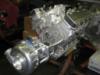

Ok, so what about the Victor Junior w/ Elbow? Are you guys saying it's not worth it? Because it does weigh significantly more then a Fast/LS6 and you also have the heat sink issue (IE I can't even touch the intake manifold after running for a period on the Iron Block) because of the material it's made out of.
So should someone like me who is running AFR 225's, 232/240 cam, 408 and an F1A swap back to a LS6/FAST? Because the the VJ is overkill?
I always was of the school that an engine is a giant air pump... easier air in, easier air out, the faster you go.
...and what about the LS7 intake
So should someone like me who is running AFR 225's, 232/240 cam, 408 and an F1A swap back to a LS6/FAST? Because the the VJ is overkill?
I always was of the school that an engine is a giant air pump... easier air in, easier air out, the faster you go.
...and what about the LS7 intake