When you click on links to various merchants on this site and make a purchase, this can result in this site earning a commission. Affiliate programs and affiliations include, but are not limited to, the eBay Partner Network.
I see a lot of pretty powerful setups plumbed 2 different ways for the most part.
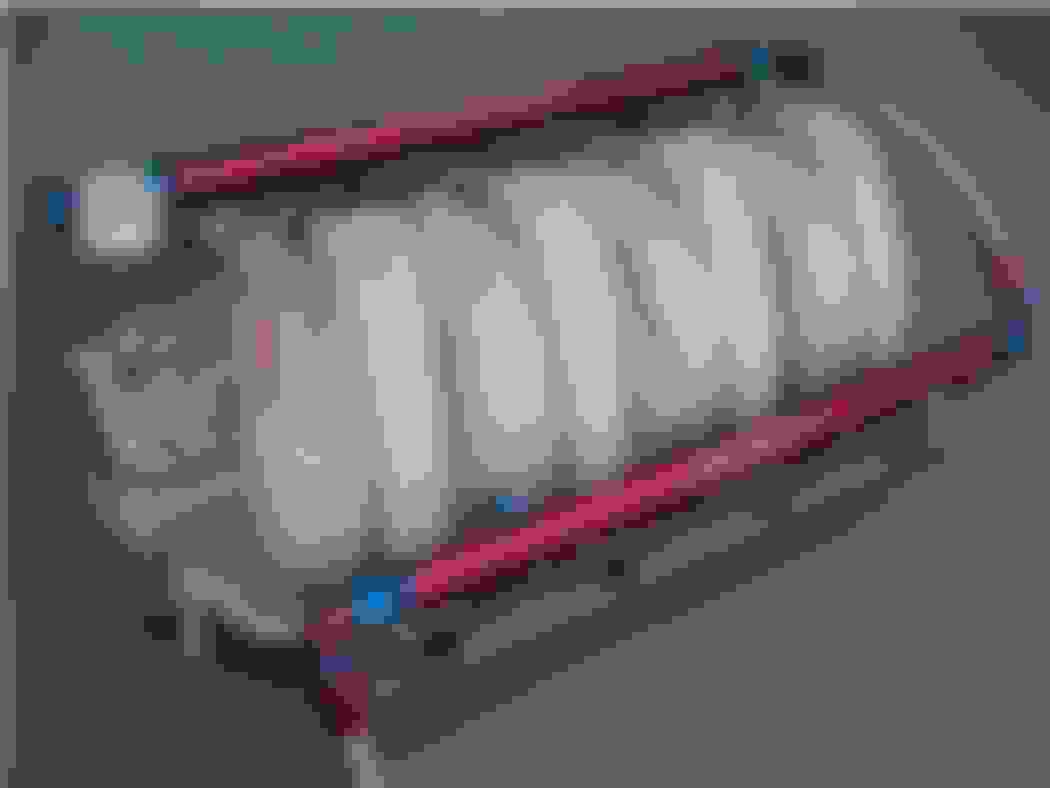
One way, is one rail fed at the front, crossover at the rear, then return out of the other side rail front, to regulator, then back to tank...
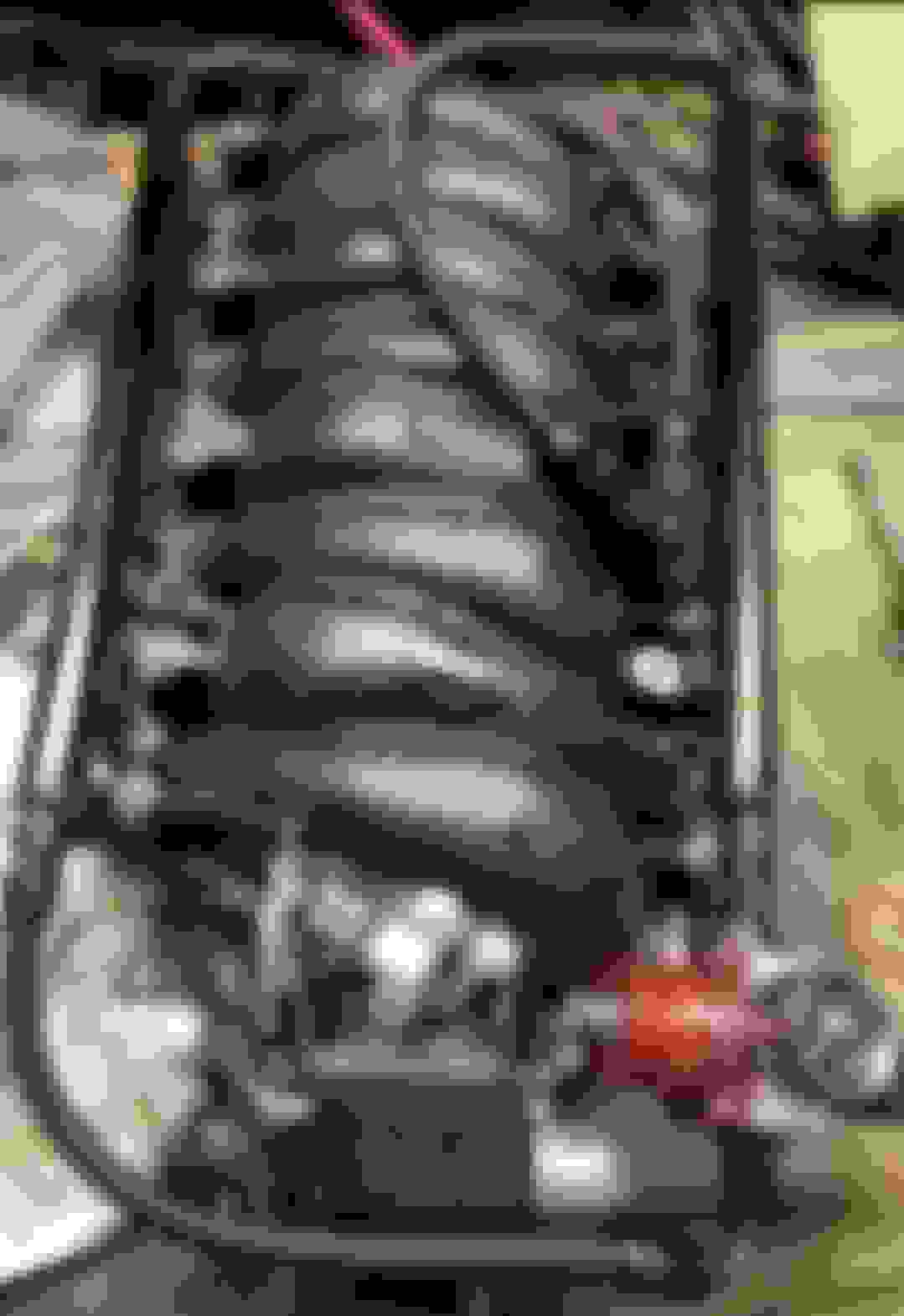
Other way, like I have mine currently, is a "Y" from main feed line, to rear of each rail, then regulator and crossover at front of both rails, back to tank.
Under 1000hp and all else being the same (pumps, line size, etc.) is there a consensus that one is better than the other?
What does the LS1Tech gang say?
FAST intake is example 1, and black Dorman LS2 intake is mine FWIW.
Feeding both rails directly and tying them back at the regulator post rails for the return is the technically correct way to do it....but thousands of people don't and it's no biggie unless you're at the brink of the fuel system.
Feeding both rails directly and tying them back at the regulator post rails for the return is the technically correct way to do it....but thousands of people don't and it's no biggie unless you're at the brink of the fuel system.
Can't tell if you have a dry or liquid filled fuel pressure gauge. If it's liquid filled you might want to check with the vendor if it is vented or not and how to orient it. If its liquid filled it appears that you need to orient it so the air gap corresponds to the vent
Tip as it states in the link. Always set fuel pressure when the FPR is at ambient temp. As the FPR heat soaks the needle showing pressure fluctuates by 1 to 9 psi. When you randomly read the fuel pressure, do it when the FPR is at ambient and not when it is hot as you will get a false reading when the liquid warms and expands.
I'm not having any problems. Was just bored and noticed a lot of people route their setups like top pic, and was curious if it was done because it's a little easier, or a little neater, or whatever.
I have a "dry" FP gauge, set at 45psi with my 210# injectors.
1) IF the rails and feed lines are large enough, and
2) as long as pressure is at 58psi, whether dual or single should not make much, if any difference.
I run them off a Y from the feed line, to the front of each rail, out the back to the return. The "theory" running them in the front is, under a hard launch, the fuel is going to want to go to the back of the rail anyway.
I run them off a Y from the feed line, to the front of each rail, out the back to the return. The "theory" running them in the front is, under a hard launch, the fuel is going to want to go to the back of the rail anyway.
Well, sadly my turd doesn't have those issues...
Best EVER sixty foot for my car, was with nitrous in 2019, a 1.42, on a 10.69@125 pass. I've been almost a second quicker, and 22mph faster (LOL), but never better than a 1.52 sixty foot with the turbo.
Heck, I was a full tenth quicker in sixty foots, N/A, then on footbrake, now...
But at 61 foot, she starts rollin'....lol.
I 100% plumbed mine how it is, for simplicity and ease of removal.
I run them off a Y from the feed line, to the front of each rail, out the back to the return. The "theory" running them in the front is, under a hard launch, the fuel is going to want to go to the back of the rail anyway.
If you have enough gforce to overcome 60+ PSI of fuel pressure you may work for NASA
I run them off a Y from the feed line, to the front of each rail, out the back to the return. The "theory" running them in the front is, under a hard launch, the fuel is going to want to go to the back of the rail anyway.
True, same idea on a promod with multiple rails. Fed from the rear, crossed over on the front and regulator return on the rear.
Wile's U/S car is opposite (w/ fuel inlet/outlet on front side), or are you just referring to the systems both having a crossover, and regulator on "exit" side?
Sidebar: I saw that 4.4x run live. It was pretty badass. That's a local guy, and runs at my home track. Very nice car. (I know you [SLOW SEDAN] runs there too)
I think the owner at Motion Raceworks' NOva is plumbed like the Mustang above? Which is why I even posted this thread.
I wish I could still find an article I read years ago about fueling variations encountered when using a one inlet crossing over and one outlet setup without a dampener in between. It seemed to be a legit tech article, but I always suspected there was some other problem in play, due simply to the lack of this being an issue with untold thousands of high performance engines. I suppose if you bring this to an ultimate conclusion, you would feed each injector separately from the pump, and forego rails. Long story short, too many people successfully loop their fuel in one rail and out the other for it to be much of a problem.
I see a lot of pretty powerful setups plumbed 2 different ways for the most part.
One way, is one rail fed at the front, crossover at the rear, then return out of the other side rail front, to regulator, then back to tank...
This is called a series setup, you continually sweep the injectors with fresh fuel but a pressure drop will be unequal across the injectors depending on hose/fuel rail diameters. This lets you use the least amount of fittings and is the most straightforward setup in terms of fluid routing. This setup is utilized for convenience and simplicity but relies on the fuel pressure never dropping. This works and is by far the most common setup on inline engines or small fuel rails.
Originally Posted by rel3rd
Other way, like I have mine currently, is a "Y" from main feed line, to rear of each rail, then regulator and crossover at front of both rails, back to tank.
This is called a parallel setup, both rails receive fuel at the same time. This setup will help against pressure drop, you will lose pressure equally to both rails but it will be more consistent than series across all injectors. This is a better setup but requires more fittings, takes up more space, harder to plumb. If the rail branches are unequal lengths all the advantages are negated. This system is helpful for tuners that like to balance fueling in the ECU.
The way you have it pictured on the dorman it doesn't have any benefits of the parallel system but it will work just fine if your pump(s) keep up.
Originally Posted by rel3rd
Under 1000hp and all else being the same (pumps, line size, etc.) is there a consensus that one is better than the other?
Power wise makes no difference. If you like you current setup and it fits then just use that. If not, then change it.
You can also run a dead end system, its even simpler. This is what I use and it is possible to lower fuel temps like this. The Corvette C5/C6 comes like this OEM. Fuel feed line from pump(s) goes from one side of dual port fuel pressure regulator and comes out on the other side and continues to fuel rail. That Fuel line goes into a Y or T or whatever fits your setup and equal branches go to the fuel rails. At the other end of the fuel rails you connect a hose between them, this would be a "balance hose", helps balance the fuel pressure between the rails. This system is common for GM and some "returnless" cars like Toyota, the pressure regulator is sometimes in the tank/fuel pump.
Originally Posted by rel3rd
What does the LS1Tech gang say?
It doesn't matter, whatever fits. The differences only matter to the tuner or the mechanic who is working on it.
I borrowed this from Radium for subaru fuel rails, its a good representation of how it looks.
Last edited by Sway Tale; Sep 9, 2021 at 02:24 PM.
Reason: spelling mistakes
Not sure how mine would not be considered a true parallel setup. It's split, with equal length hose after the "Y", and crossed over, then from regulator back to tank


 Are dual fed rails better than single fed?