


LT1 and 5.7 Vortec questions


It's hard to say how much you gained if not dyno tested the same day. The weather station and corrections the dyno uses ain't much. Same vehicle, on several different days, with no changes will be all over the place. I know from base lining my four different test vehicles before testing changes. As for the "junk" air ducting, I bought and tested everything I could find for my trucks. with stock engines, I never found any "cold air kit" that was actually worth anything, if the fuel trims were corrected. Most skew the fuel trims, because the aim the air through the MAF differently. Amazing how many don't seem to realize how the works. The gains from leaning one with stock tuning, shows a small power gain (most of us know the factory tuning WOT is very rich), but drive it 30 miles o so, the PCM learns to add that same percent the fuel trims changed to the WOT air/fuel. Tested that many times. Install and dyno it on Monday, drive it to work and back each day, dyno it again Wed, and you see it at least as rich as it was originally, and either the same power, or a small loss because it will often be richer than it was due to the PCM trying to correct a lean condition.
Every time it was base lined, then changed while sitting on the dyno. You can untie one, drive it around the block, tie it back down, and it may, or may not, give you the same numbers. Alignment on the rollers is a bigger deal than some seem to think. Same deal with F body "air boxes". Tested that several times also. Same effect, same results. Had guys ask "How much will I gain with a So & So cat back? Knowing others would ask, I had them let us base line it, and bring it back afterwards to find out. Never saw as much as 10 rwhp from headers and a cat-back on a stock 350" Vortec truck. John (worked for me) was very good about getting the alignment on the rollers the same, He would test them for guys, so we would also know. When you have a dyno just sitting there, and somebody like John to run it, may as well learn as much as I could.
Btw, "gutting" the cats is a power loss, if the cats weren't clogged. We tested and learned that the same way, on my '96 TA. Over 10 rwhp! Put a piece of tubing in it's place!
Every time it was base lined, then changed while sitting on the dyno. You can untie one, drive it around the block, tie it back down, and it may, or may not, give you the same numbers. Alignment on the rollers is a bigger deal than some seem to think. Same deal with F body "air boxes". Tested that several times also. Same effect, same results. Had guys ask "How much will I gain with a So & So cat back? Knowing others would ask, I had them let us base line it, and bring it back afterwards to find out. Never saw as much as 10 rwhp from headers and a cat-back on a stock 350" Vortec truck. John (worked for me) was very good about getting the alignment on the rollers the same, He would test them for guys, so we would also know. When you have a dyno just sitting there, and somebody like John to run it, may as well learn as much as I could.
Btw, "gutting" the cats is a power loss, if the cats weren't clogged. We tested and learned that the same way, on my '96 TA. Over 10 rwhp! Put a piece of tubing in it's place!
One more thing: Just becasue it looks the same, and plugs in just fine, the LT4 knock module is not a good deal. It simply disables the knock sensor. Tested that too. It is NOT the same as plugging one into your LT1. Any gain there with a Vortec truck computer indicates a false knock issue. Right thing to do is fix the truck.
Had a blown '98 350" Truck in for tuning. First pull spark knock was extremely bad, very loud. Lucky he didn't break some pistons. Showed zero knock on my Tech2. Hmmm He told me he put an LT4 knock module in it, as he was told to do by somebody on some internet forum. Damn!! I put the correct one it in, all of a sudden, it has retard with zero detonation. Fixed the WOT air/fuel and backed the timing up where it needed to be with a blower, no detonation, no knock retard.
Properly tuned, an LT1 doesn't need one either.
Had a blown '98 350" Truck in for tuning. First pull spark knock was extremely bad, very loud. Lucky he didn't break some pistons. Showed zero knock on my Tech2. Hmmm He told me he put an LT4 knock module in it, as he was told to do by somebody on some internet forum. Damn!! I put the correct one it in, all of a sudden, it has retard with zero detonation. Fixed the WOT air/fuel and backed the timing up where it needed to be with a blower, no detonation, no knock retard.
Properly tuned, an LT1 doesn't need one either.

TECH Resident


Joined: Oct 2006
Posts: 987
Likes: 172
From: Euless, TX
One more thing: Just becasue it looks the same, and plugs in just fine, the LT4 knock module is not a good deal. It simply disables the knock sensor. Tested that too. It is NOT the same as plugging one into your LT1. Any gain there with a Vortec truck computer indicates a false knock issue. Right thing to do is fix the truck.
Had a blown '98 350" Truck in for tuning. First pull spark knock was extremely bad, very loud. Lucky he didn't break some pistons. Showed zero knock on my Tech2. Hmmm He told me he put an LT4 knock module in it, as he was told to do by somebody on some internet forum. Damn!! I put the correct one it in, all of a sudden, it has retard with zero detonation. Fixed the WOT air/fuel and backed the timing up where it needed to be with a blower, no detonation, no knock retard.
Properly tuned, an LT1 doesn't need one either.
Had a blown '98 350" Truck in for tuning. First pull spark knock was extremely bad, very loud. Lucky he didn't break some pistons. Showed zero knock on my Tech2. Hmmm He told me he put an LT4 knock module in it, as he was told to do by somebody on some internet forum. Damn!! I put the correct one it in, all of a sudden, it has retard with zero detonation. Fixed the WOT air/fuel and backed the timing up where it needed to be with a blower, no detonation, no knock retard.
Properly tuned, an LT1 doesn't need one either.
TECH Resident
Joined: Oct 2006
Posts: 987
Likes: 172
From: Euless, TX
It's hard to say how much you gained if not dyno tested the same day. The weather station and corrections the dyno uses ain't much. Same vehicle, on several different days, with no changes will be all over the place. I know from base lining my four different test vehicles before testing changes. As for the "junk" air ducting, I bought and tested everything I could find for my trucks. with stock engines, I never found any "cold air kit" that was actually worth anything, if the fuel trims were corrected. Most skew the fuel trims, because the aim the air through the MAF differently. Amazing how many don't seem to realize how the works. The gains from leaning one with stock tuning, shows a small power gain (most of us know the factory tuning WOT is very rich), but drive it 30 miles o so, the PCM learns to add that same percent the fuel trims changed to the WOT air/fuel. Tested that many times. Install and dyno it on Monday, drive it to work and back each day, dyno it again Wed, and you see it at least as rich as it was originally, and either the same power, or a small loss because it will often be richer than it was due to the PCM trying to correct a lean condition.
Every time it was base lined, then changed while sitting on the dyno. You can untie one, drive it around the block, tie it back down, and it may, or may not, give you the same numbers. Alignment on the rollers is a bigger deal than some seem to think. Same deal with F body "air boxes". Tested that several times also. Same effect, same results. Had guys ask "How much will I gain with a So & So cat back? Knowing others would ask, I had them let us base line it, and bring it back afterwards to find out. Never saw as much as 10 rwhp from headers and a cat-back on a stock 350" Vortec truck. John (worked for me) was very good about getting the alignment on the rollers the same, He would test them for guys, so we would also know. When you have a dyno just sitting there, and somebody like John to run it, may as well learn as much as I could.
Btw, "gutting" the cats is a power loss, if the cats weren't clogged. We tested and learned that the same way, on my '96 TA. Over 10 rwhp! Put a piece of tubing in it's place!
Every time it was base lined, then changed while sitting on the dyno. You can untie one, drive it around the block, tie it back down, and it may, or may not, give you the same numbers. Alignment on the rollers is a bigger deal than some seem to think. Same deal with F body "air boxes". Tested that several times also. Same effect, same results. Had guys ask "How much will I gain with a So & So cat back? Knowing others would ask, I had them let us base line it, and bring it back afterwards to find out. Never saw as much as 10 rwhp from headers and a cat-back on a stock 350" Vortec truck. John (worked for me) was very good about getting the alignment on the rollers the same, He would test them for guys, so we would also know. When you have a dyno just sitting there, and somebody like John to run it, may as well learn as much as I could.
Btw, "gutting" the cats is a power loss, if the cats weren't clogged. We tested and learned that the same way, on my '96 TA. Over 10 rwhp! Put a piece of tubing in it's place!
A cammed truck isn't exactly a stock L31 and the stock airbox and manifolds are restrictive once the garbage stock cam comes out.
Granted I am cammed, heads, marine intake the Thorley Tri-Ys, high flow cats and a massive walker dynomax medium duty dual in/single out muffler knocked nearly a full second off the 0-60 of the 6,200 lbs Express.
That is fixable in the tuning. You have no knock retard function now.
TECH Resident
Joined: Oct 2006
Posts: 987
Likes: 172
From: Euless, TX
To further expand on how I tune, I actually reset the fuel trims after each reflash and drive about 100 miles before datalogging the results. Makes dialing in the fuel much easier. I tune the VE tables with the MAF disconnected and then comeback and tweak the MAF. Never had an issue getting then how I like it.
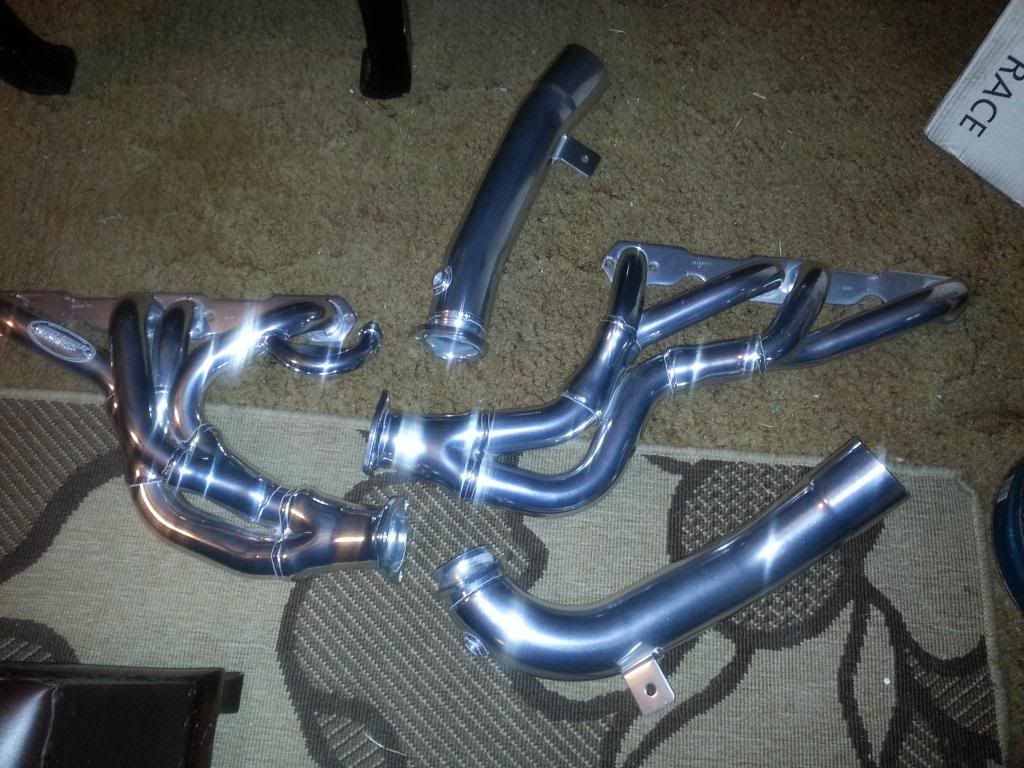
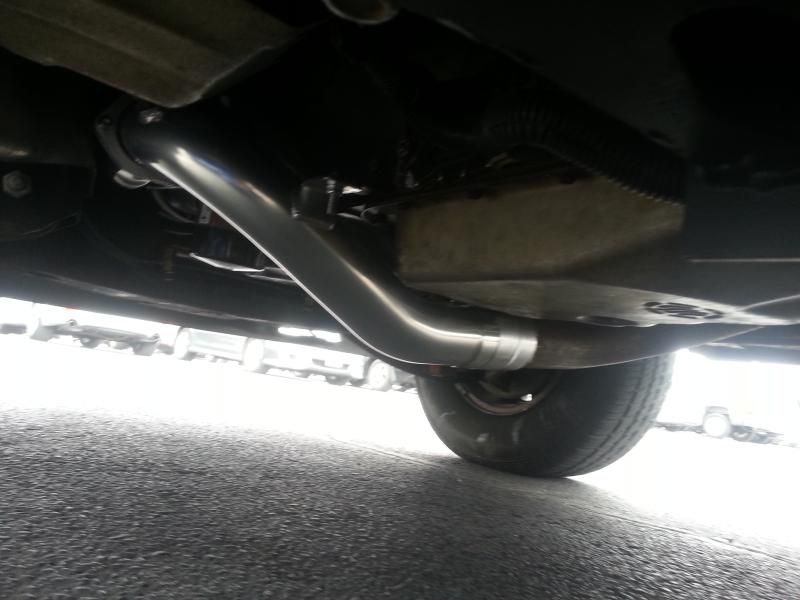
I have done alot of work with these engines and most are not stock at all. This is what I did exhaust wise. I love it, its pretty quiet even at WOT towing and didn't sacrifice power. Those are 2.5" collectors dumping into Thorley's 3" headpipes to match a factory Express exhaust. I reduced it from 3" to 2.75" to 2.5" cats using stainless mandrel bends salvaged from low mileage factory exhausts that were cut away for dual jobs. Cheap and effective.
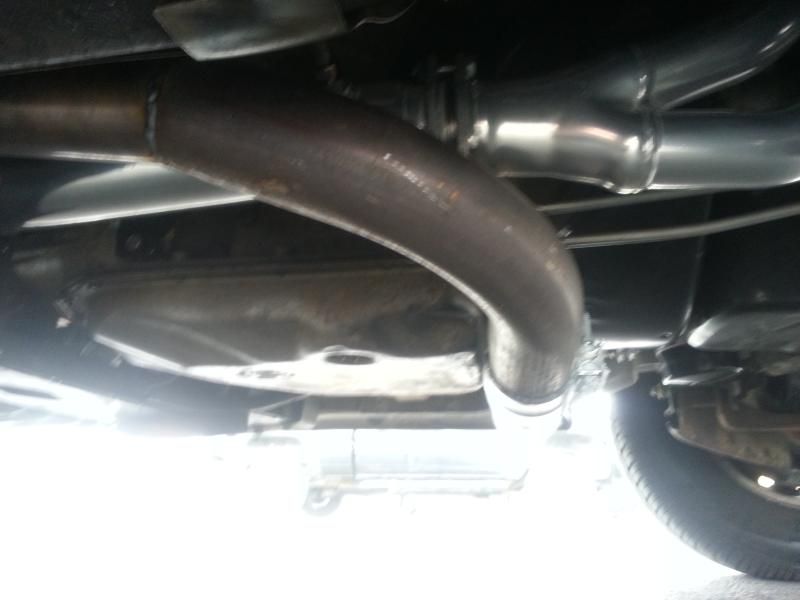
I rebuilt my crossmember to work with the 4L80E.
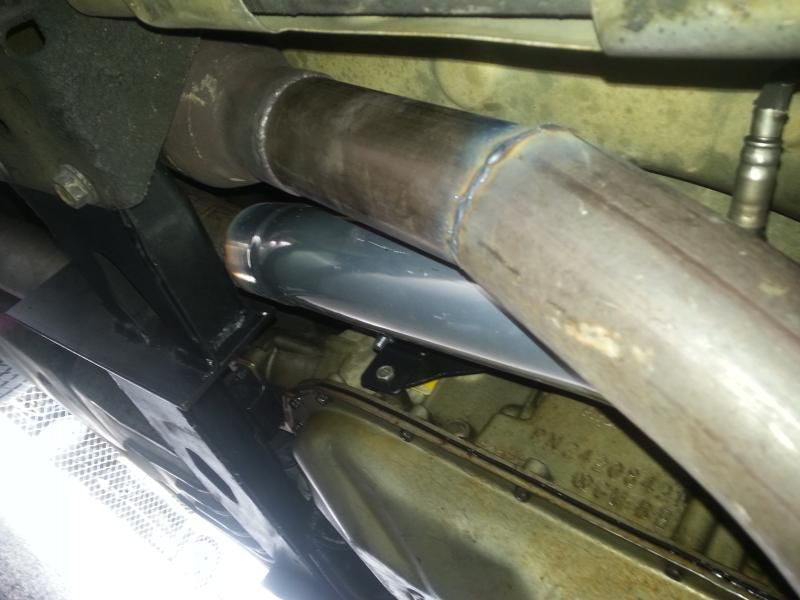
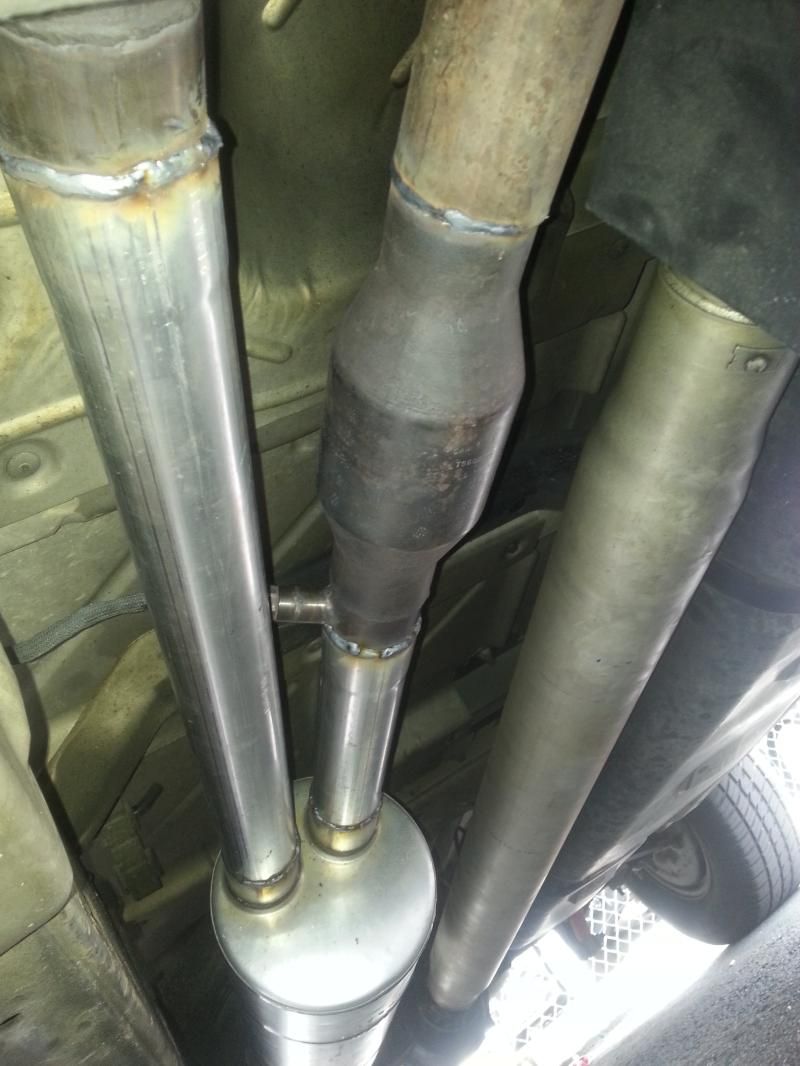
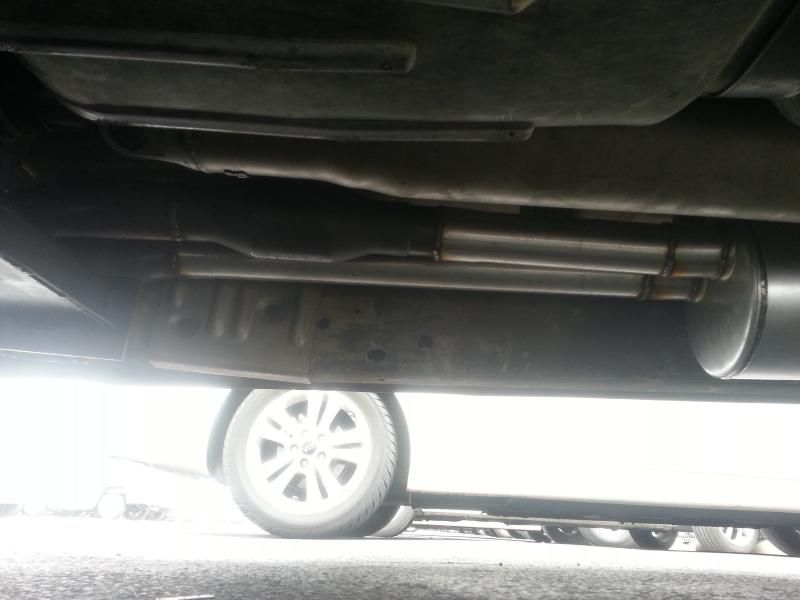
I have done alot of work with these engines and most are not stock at all. This is what I did exhaust wise. I love it, its pretty quiet even at WOT towing and didn't sacrifice power. Those are 2.5" collectors dumping into Thorley's 3" headpipes to match a factory Express exhaust. I reduced it from 3" to 2.75" to 2.5" cats using stainless mandrel bends salvaged from low mileage factory exhausts that were cut away for dual jobs. Cheap and effective.


I rebuilt my crossmember to work with the 4L80E.


TECH Resident
Joined: Oct 2006
Posts: 987
Likes: 172
From: Euless, TX

Last edited by Fast355; Jan 5, 2015 at 12:19 PM.
Maybe you didn't understand, the LT4 knock module disables the knock sensor with the Vortec PCM. Bad deal. Different computer, different knock sensors.
One of my friends is a retired GM calibrator (would be a "Tuner" around here) and he has some humerous things to say about doing the VE tables with the MAF disabled. He tells me people doing that evidently do not understand how those are blended. I have undone more of that stuff for people than you could imagine. Guess if you feel like it works for you........
Ever notice, when doing that, the MAF table is often wrong too?
One of my friends is a retired GM calibrator (would be a "Tuner" around here) and he has some humerous things to say about doing the VE tables with the MAF disabled. He tells me people doing that evidently do not understand how those are blended. I have undone more of that stuff for people than you could imagine. Guess if you feel like it works for you........
Ever notice, when doing that, the MAF table is often wrong too?
Last edited by Ed Wright; Jan 5, 2015 at 11:43 AM. Reason: Still can not spell.....
TECH Resident
Joined: Oct 2006
Posts: 987
Likes: 172
From: Euless, TX
Maybe you didn't understand, the LT4 knock module disables the knock sensor with the Vortec PCM. Bad deal. Different computer, different knock sensors.
One of my friends is a retired GM calibrator (would be a "Tuner" around here) and he has some humerous things to say about doing the VE tables with the MAF disabled. He tells me people doing that evidently do not understand how those are blended. I have undone more of that stuff for people than you could imagine. Guess if you feel like it works for you........
Ever notice, when doing that, the MAF table is often wrong too?
One of my friends is a retired GM calibrator (would be a "Tuner" around here) and he has some humerous things to say about doing the VE tables with the MAF disabled. He tells me people doing that evidently do not understand how those are blended. I have undone more of that stuff for people than you could imagine. Guess if you feel like it works for you........
Ever notice, when doing that, the MAF table is often wrong too?
As for doing the tuning that way, works well for me for roughing in those tables. I only get those tables close then re-enable the MAF for tuning.. Remember if you have a MAF fail it has to be able to run somewhat decently on those tables anyway. My fuel trims currently sit between -5 and Zero across the board Occassionally I will see a +1 or +2 off-idle at low loads.
0411 does not rely nearly as much on the MAP as the old Black Box did. Even timing advance is based off the MAF on 0411 vs MAP on the Black Box.
I read the plugs more than rely on a knock sensor. I tend to null or disable them because they are more trouble than they are worth on a well tuned engine with good quality fuel. Only reason I left them is due to the lack of good fuel in some of the places I roadtrip to.
As far as if/when the MAF fails, it uses the BACK UP VE table, not the main VE table.
The LT4 knock module was the internet rage a couple of years back. People don't seem to understand that the ESC ("knock") module, the knock sensor(s) and the computer are a system. The LT4 uses different sensors, different ESC code, and only the 1996 OBD2 PCM. The 1997 PCM & it's code, and F or B body, also OBD1 PCMs all make for a different system. It does somewhat deaden the knock sensor(s), but not necessarily in a good way. It is wasted money. More properly done in the tuning.
When the GM high-tech magazine “PCM Shoot Out” article came out, I got more Impala SS PCMs in for tuning than I knew even existed. I started doing those, I began to read an Impala SS message board. They were buying those things for their stock Impalas <BG> at a rate that they ended upon national back order. Wrong knock sensors, wrong NUMBER of knock sensors! LOL
The LT4 knock module was the internet rage a couple of years back. People don't seem to understand that the ESC ("knock") module, the knock sensor(s) and the computer are a system. The LT4 uses different sensors, different ESC code, and only the 1996 OBD2 PCM. The 1997 PCM & it's code, and F or B body, also OBD1 PCMs all make for a different system. It does somewhat deaden the knock sensor(s), but not necessarily in a good way. It is wasted money. More properly done in the tuning.
When the GM high-tech magazine “PCM Shoot Out” article came out, I got more Impala SS PCMs in for tuning than I knew even existed. I started doing those, I began to read an Impala SS message board. They were buying those things for their stock Impalas <BG> at a rate that they ended upon national back order. Wrong knock sensors, wrong NUMBER of knock sensors! LOL
TECH Resident
Joined: Oct 2006
Posts: 987
Likes: 172
From: Euless, TX
As far as if/when the MAF fails, it uses the BACK UP VE table, not the main VE table.
The LT4 knock module was the internet rage a couple of years back. People don't seem to understand that the ESC ("knock") module, the knock sensor(s) and the computer are a system. The LT4 uses different sensors, different ESC code, and only the 1996 OBD2 PCM. The 1997 PCM & it's code, and F or B body, also OBD1 PCMs all make for a different system. It does somewhat deaden the knock sensor(s), but not necessarily in a good way. It is wasted money. More properly done in the tuning.
When the GM high-tech magazine “PCM Shoot Out” article came out, I got more Impala SS PCMs in for tuning than I knew even existed. I started doing those, I began to read an Impala SS message board. They were buying those things for their stock Impalas <BG> at a rate that they ended upon national back order. Wrong knock sensors, wrong NUMBER of knock sensors! LOL
The LT4 knock module was the internet rage a couple of years back. People don't seem to understand that the ESC ("knock") module, the knock sensor(s) and the computer are a system. The LT4 uses different sensors, different ESC code, and only the 1996 OBD2 PCM. The 1997 PCM & it's code, and F or B body, also OBD1 PCMs all make for a different system. It does somewhat deaden the knock sensor(s), but not necessarily in a good way. It is wasted money. More properly done in the tuning.
When the GM high-tech magazine “PCM Shoot Out” article came out, I got more Impala SS PCMs in for tuning than I knew even existed. I started doing those, I began to read an Impala SS message board. They were buying those things for their stock Impalas <BG> at a rate that they ended upon national back order. Wrong knock sensors, wrong NUMBER of knock sensors! LOL


I have 3.73 gears and stock size 265/70 tires, completely stock truck, and even at 65mph I only see 14 and it has 172k miles, has gotten 14 all 4k miles I've put on it since late October, so it could be winter blend hurting me a little. If the MAF is dirty, does it throw any codes? I'm actually selling the truck because the fuel mileage has been so poor compared to the TBI trucks I had which would do 18 highway at 65. Other than new O2s and cleaning the MAF, what else could really be hurting it? I bought the truck for $1100 because the PO thought it needed a new spider injection because it was running so rich and hard to start warm, it finally threw an SES light after I drove it 100 miles and found "coolant temp sensor high voltage" so I replaced that and it solved that. Also when I bought it it wouldn't go into 4th, so I replaced the 1-2 shift solenoid, but it still didn't go into 4th until the exact moment that it studdered hard, threw the SES for the CTS, then went into 4th and ran a ton better. Could a bad CTS reading -40 cause the PCM to not use 4th to try to warm up?
3.73 gear trucks never get the same mileage, 4WD trucks never get the same mileage. If it has a K&M air filter, the MAF needs cleaned every few weeks. If sucks that oil, and burns it on those time wires running between the bars. They glow red hot while running. Dirty MAFs under-report air flow, causing high fuel trim numbers, they run lean at tip-in, etc. Should not be a big deal to mileage.
Production tolerances sometimes stack up the wrong way, and you get a dog. Stack up the other way you can get one a little exceptional as to power and mileage. Buying one used, you have no idea how it was broken in, which has a big effect on ring seal. That effects power and gas mileage. Blowing compression & fuel past the rings instead of pushing on the piston as hard. Take more combustion cycles to do the same work, thus wastes fuel.
Excessive carbon build up effects performance and mileage also.
I don't blame you for selling it.
If "winter blend" is E10, that stuff hurts both of our Lexus cars a solid 2 MPG. Hurt my old 8.1L gasoline motor home I pulled the race car with also. But 8 to 6 is 25%. LOL
Production tolerances sometimes stack up the wrong way, and you get a dog. Stack up the other way you can get one a little exceptional as to power and mileage. Buying one used, you have no idea how it was broken in, which has a big effect on ring seal. That effects power and gas mileage. Blowing compression & fuel past the rings instead of pushing on the piston as hard. Take more combustion cycles to do the same work, thus wastes fuel.
Excessive carbon build up effects performance and mileage also.
I don't blame you for selling it.
If "winter blend" is E10, that stuff hurts both of our Lexus cars a solid 2 MPG. Hurt my old 8.1L gasoline motor home I pulled the race car with also. But 8 to 6 is 25%. LOL
Last edited by Ed Wright; Jan 6, 2015 at 12:00 PM. Reason: Still can't type...
I'm not buying 3.73 gears being a big hit on mileage in any pickup. Bufmat, as Ed says there are likely some serious "health" problems with your truck. I'd get rid of it too 
My '98 2wd pickup described above has factory 3.73's with stock diameter (29") tires, and it has no problem beating 20 mpg highway if I keep it 70 mph or below.
Similar deal with my 2005 4WD Suburban with 4.10 gearing and stock 31" tires - 20 mpg at 65 mph, but it plummets to 17 mpg at 75 mph. That right there should tell you that wind resistance is a FAR bigger player in mpg than gearing is with the trucks. For some reason, the pickup is less sensitive to highway speed; it only goes down to 18 mpg on long drives cruising at 80 mph.
My '98 2wd pickup described above has factory 3.73's with stock diameter (29") tires, and it has no problem beating 20 mpg highway if I keep it 70 mph or below.
Similar deal with my 2005 4WD Suburban with 4.10 gearing and stock 31" tires - 20 mpg at 65 mph, but it plummets to 17 mpg at 75 mph. That right there should tell you that wind resistance is a FAR bigger player in mpg than gearing is with the trucks. For some reason, the pickup is less sensitive to highway speed; it only goes down to 18 mpg on long drives cruising at 80 mph.
I have changed enough truck gears for customers, and heard back about the mileage to know it to be true. Only valid comparrison is same truck, same driver, different gears. Right? Different trucks? Different drivers? Too many variables. Pretty consistent 1 to 2o between 3.73 & 3.42. 4.10 even worse, naturally. I owned and operated a very busy shop for 43 years, seen a lot of things. Especially trucks. This Oklahoma, every **** kicker around here has at least one truck.
Have not seen many 3.07 geared Vortec trucks, but they get even better mileage, and higher speeds have less effect on it. But, they don't tow heavy trailers worth a ****.
Have not seen many 3.07 geared Vortec trucks, but they get even better mileage, and higher speeds have less effect on it. But, they don't tow heavy trailers worth a ****.
I have changed enough truck gears for customers, and heard back about the mileage to know it to be true. Only valid comparrison is same truck, same driver, different gears. Right? Different trucks? Different drivers? Too many variables. Pretty consistent 1 to 2o between 3.73 & 3.42. 4.10 even worse, naturally. I owned and operated a very busy shop for 43 years, seen a lot of things. Especially trucks. This Oklahoma, every **** kicker around here has at least one truck.
Have not seen many 3.07 geared Vortec trucks, but they get even better mileage, and higher speeds have less effect on it. But, they don't tow heavy trailers worth a ****.
Have not seen many 3.07 geared Vortec trucks, but they get even better mileage, and higher speeds have less effect on it. But, they don't tow heavy trailers worth a ****.


Hey Ed when you say a leaking distributor rotor , can you elaborate as to what causes that?
About a year ago my truck started to get a little hesitation from a stop, it was very slight and under part throttle it seemed like only. The truck a few weeks later wouldn't start and I pulled the cap and rotor and it looked Like ****. .
Put a new cap and rotor on from auto zone and it religiously will eat there cap and rotors every 5 months or so...
Are there rotors and caps piles of **** or do I have something else going on causing the issue? Weak coil? Etc?
I pulled the plugs the last time I did a cap and rotor and they look great on each bank. Truck has fresh 02s and I just cleaned the maf. The compression is still great and I'm the original owner and have maintained it to a T.
Thanks
About a year ago my truck started to get a little hesitation from a stop, it was very slight and under part throttle it seemed like only. The truck a few weeks later wouldn't start and I pulled the cap and rotor and it looked Like ****. .
Put a new cap and rotor on from auto zone and it religiously will eat there cap and rotors every 5 months or so...
Are there rotors and caps piles of **** or do I have something else going on causing the issue? Weak coil? Etc?
I pulled the plugs the last time I did a cap and rotor and they look great on each bank. Truck has fresh 02s and I just cleaned the maf. The compression is still great and I'm the original owner and have maintained it to a T.
Thanks
TECH Fanatic
Joined: Aug 2008
Posts: 1,740
Likes: 2
From: Nebraska
My old '98 vortec would consistantly get about 17.2 MPG on my 30 mile commute to work everyday. This was a RC/LB 4X4 1/2 ton with 3.73s, 265s and 200K miles. Didn't really matter how I drove, that's what it got. There were some pretty big hills on that drive though. I never really checked what it did on a flat highway trip. My guess is maybe 18 tops. Always got about 14 in town no matter what.