


Oil Drain back question


Thread Starter
TECH Resident
iTrader: (1)
Joined: Jan 2014
Posts: 897
Likes: 33
From: Colorado Springs, CO
 Oil Drain back question
 I was talking with another racer not long ago. He mentioned that the LS1's have a problem with allowing oil to drain from the heads to the pan. At consistent high rpm's in road racing, you end up with a lot of oil under the valve covers, and it doesn't want to drain back down through the block to the pan.
His answer was to connect the valve cover to the oil pan with a hose. That acted like a vent and improved draining. Like that second hole in the top of a can of Miller beer. That's a really easy mod to do when the engine is apart.
Is this an issue for anyone else?
Before some one says it, I'll be using restricter push rods.
His answer was to connect the valve cover to the oil pan with a hose. That acted like a vent and improved draining. Like that second hole in the top of a can of Miller beer. That's a really easy mod to do when the engine is apart.
Is this an issue for anyone else?
Before some one says it, I'll be using restricter push rods.




You can drill a hole in the plastic lifter trays that will allow the oil to return to the pan as well. If you do so use a stepped drill bit, it drills a nice clean hole in plastic. It's hard to see them in this pic but you just drill a 1/4" hole on the down side of the tray. 1 under each lifter where the red arrow is.

Last edited by conan; Jan 18, 2014 at 08:37 PM.
Thread Starter
TECH Resident
iTrader: (1)
Joined: Jan 2014
Posts: 897
Likes: 33
From: Colorado Springs, CO
Stock, new, LS7 lifters, directly from a Chevy dealer.
That's a good idea. I don't imagine that a whole lot of oil collects in those 8 "buckets". But it doesn't do any good just sitting there.
From the lack of response, this doesn't appear to be a big issue. Although it's an easy mod, I don't think I'll bother. No sense adding complexity, weight, cost, and leak/failure points if there's no advantage
From the lack of response, this doesn't appear to be a big issue. Although it's an easy mod, I don't think I'll bother. No sense adding complexity, weight, cost, and leak/failure points if there's no advantage
The reason I ask what lifter is they play a vital role in how the oil behaves in the top end of the motor.
Most well-designed lifters don't like restricted oil pushrods. So you need to check on that before running them. I believe the LS7 won't care, but I've not seen it much. Ed Curtis has done it and may offer some insight if you call him up.
Most well-designed lifters don't like restricted oil pushrods. So you need to check on that before running them. I believe the LS7 won't care, but I've not seen it much. Ed Curtis has done it and may offer some insight if you call him up.
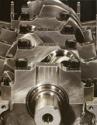
I was talking with another racer not long ago. He mentioned that the LS1's have a problem with allowing oil to drain from the heads to the pan. At consistent high rpm's in road racing, you end up with a lot of oil under the valve covers, and it doesn't want to drain back down through the block to the pan.
His answer was to connect the valve cover to the oil pan with a hose. That acted like a vent and improved draining. Like that second hole in the top of a can of Miller beer. That's a really easy mod to do when the engine is apart.
Is this an issue for anyone else?
Before some one says it, I'll be using restricter push rods.
His answer was to connect the valve cover to the oil pan with a hose. That acted like a vent and improved draining. Like that second hole in the top of a can of Miller beer. That's a really easy mod to do when the engine is apart.
Is this an issue for anyone else?
Before some one says it, I'll be using restricter push rods.
Thread Starter
TECH Resident
iTrader: (1)
Joined: Jan 2014
Posts: 897
Likes: 33
From: Colorado Springs, CO
If the valve cover was completely sealed, I can see where it might create a vacuum and keep the oil from draining. Kind of like a ketchup bottle.
But it's not sealed. There's a PCV hose connected to each valve cover. At lower rpm's with a moderate cam there's enough vacuum that it could prevent drainage, I suppose. But at high rpm's with a big cam, I wouldn't think there's enough vacuum to create a problem under there.
So what is the purpose of the line? Is it to connect the relatively high pressure area in the pan to the low pressure area in the valve cover? Attempting to slightly pressurize the valve over and force the oil down?
Or are you simply trying to create an additional drain from the valve cover area to the pan?










