


Valve springs

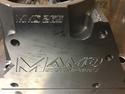


There was not enough PTV clearance.
Now you have a bigger cam and it works, well you can add .250 lift and change the valve opening and closing times and it can provide a ton of clearance. That cam card you have pictured says a lot. the exhaust closes 23.5 degrees after tdc, the intake opens 19.5 before tdc.
It didn't break right away because with dome top pistons the valve hit flat, if it was a flat top piston it would have hit the valve on the edge and been a problem first time.
Most reputable shops won't throw other shops under the bus. The most important thing to say, read this carefully. If the first builder didn't do anything wrong why did he put inadequate valve springs in it? The second shop didn't say anything about the first shops mistake of installing weak springs? Hmm. What did he do just trust the specs off the box? Didn't check the actual spring rate? Someone fucked up. You can't say it was Lunati's fault, someone put the wrong springs in it if thats what you're claiming the problem was. It looks like lack of piston to valve clearance. So someone fucked up right? Who do you think it was?
Now you have a bigger cam and it works, well you can add .250 lift and change the valve opening and closing times and it can provide a ton of clearance. That cam card you have pictured says a lot. the exhaust closes 23.5 degrees after tdc, the intake opens 19.5 before tdc.
It didn't break right away because with dome top pistons the valve hit flat, if it was a flat top piston it would have hit the valve on the edge and been a problem first time.
Most reputable shops won't throw other shops under the bus. The most important thing to say, read this carefully. If the first builder didn't do anything wrong why did he put inadequate valve springs in it? The second shop didn't say anything about the first shops mistake of installing weak springs? Hmm. What did he do just trust the specs off the box? Didn't check the actual spring rate? Someone fucked up. You can't say it was Lunati's fault, someone put the wrong springs in it if thats what you're claiming the problem was. It looks like lack of piston to valve clearance. So someone fucked up right? Who do you think it was?
When valve float is present, all valve closing timing events go out the window. It gets messy quick.
Now...could PTV have been a little on the tighter side? Sure. For a race application, you’ll always lean toward the tighter side, for power sake...pushing things to the limits. That’s what race engine builders do. But here, I’d point to incorrect springs, or springs not set up correctly as the culprit.

I disagree. If it were a PTV issue, all pistons would have witness marks. Incorrect spring setup here is my guess. Valve float will beat up rollers and a camshaft. This explains why cam and lifters were hurt. Looks like 823 heads from the chambers. They are known to break intake valves with float. Valve bounces on the seat repeatedly each time it’s supposed to be closed, much like a basketball dropped from 1’ off the floor. Seen it happen a lot. Exhaust valves will usually hit first, in a valve float situation, because the exhaust valve is open as piston is moving upward.
When valve float is present, all valve closing timing events go out the window. It gets messy quick.
Now...could PTV have been a little on the tighter side? Sure. For a race application, you’ll always lean toward the tighter side, for power sake...pushing things to the limits. That’s what race engine builders do. But here, I’d point to incorrect springs, or springs not set up correctly as the culprit.
When valve float is present, all valve closing timing events go out the window. It gets messy quick.
Now...could PTV have been a little on the tighter side? Sure. For a race application, you’ll always lean toward the tighter side, for power sake...pushing things to the limits. That’s what race engine builders do. But here, I’d point to incorrect springs, or springs not set up correctly as the culprit.
Just my opinion, a professional engine builder should be building engines that last longer than 80 miles. Is it wrong to think this?

TECH Fanatic

Joined: Mar 2014
Posts: 1,266
Likes: 165
I disagree. If it were a PTV issue, all pistons would have witness marks. Incorrect spring setup here is my guess. Valve float will beat up rollers and a camshaft. This explains why cam and lifters were hurt. Looks like 823 heads from the chambers. They are known to break intake valves with float. Valve bounces on the seat repeatedly each time it’s supposed to be closed, much like a basketball dropped from 1’ off the floor. Seen it happen a lot. Exhaust valves will usually hit first, in a valve float situation, because the exhaust valve is open as piston is moving upward.
When valve float is present, all valve closing timing events go out the window. It gets messy quick.
Now...could PTV have been a little on the tighter side? Sure. For a race application, you’ll always lean toward the tighter side, for power sake...pushing things to the limits. That’s what race engine builders do. But here, I’d point to incorrect springs, or springs not set up correctly as the culprit.
When valve float is present, all valve closing timing events go out the window. It gets messy quick.
Now...could PTV have been a little on the tighter side? Sure. For a race application, you’ll always lean toward the tighter side, for power sake...pushing things to the limits. That’s what race engine builders do. But here, I’d point to incorrect springs, or springs not set up correctly as the culprit.
TECH Fanatic
Joined: Mar 2014
Posts: 1,266
Likes: 165
There was not enough PTV clearance.
Now you have a bigger cam and it works, well you can add .250 lift and change the valve opening and closing times and it can provide a ton of clearance. That cam card you have pictured says a lot. the exhaust closes 23.5 degrees after tdc, the intake opens 19.5 before tdc.
It didn't break right away because with dome top pistons the valve hit flat, if it was a flat top piston it would have hit the valve on the edge and been a problem first time.
Most reputable shops won't throw other shops under the bus. The most important thing to say, read this carefully. If the first builder didn't do anything wrong why did he put inadequate valve springs in it? The second shop didn't say anything about the first shops mistake of installing weak springs? Hmm. What did he do just trust the specs off the box? Didn't check the actual spring rate? Someone fucked up. You can't say it was Lunati's fault, someone put the wrong springs in it if thats what you're claiming the problem was. It looks like lack of piston to valve clearance. So someone fucked up right? Who do you think it was?
Now you have a bigger cam and it works, well you can add .250 lift and change the valve opening and closing times and it can provide a ton of clearance. That cam card you have pictured says a lot. the exhaust closes 23.5 degrees after tdc, the intake opens 19.5 before tdc.
It didn't break right away because with dome top pistons the valve hit flat, if it was a flat top piston it would have hit the valve on the edge and been a problem first time.
Most reputable shops won't throw other shops under the bus. The most important thing to say, read this carefully. If the first builder didn't do anything wrong why did he put inadequate valve springs in it? The second shop didn't say anything about the first shops mistake of installing weak springs? Hmm. What did he do just trust the specs off the box? Didn't check the actual spring rate? Someone fucked up. You can't say it was Lunati's fault, someone put the wrong springs in it if thats what you're claiming the problem was. It looks like lack of piston to valve clearance. So someone fucked up right? Who do you think it was?
TECH Fanatic
Joined: Mar 2014
Posts: 1,266
Likes: 165
New head, sleeve in block, new piston, new cam and lifters. Just like I stated earlier. I see what your insinuating. We went to a 731 lift cam from a 651 lift. Don't believe you could change the valve events enough to compensate that if they were already hitting at 651 lift. It wouldn't run for ****. Plus spinning it much faster. 2 different shops were wrong about the PTV. Come on. I don't believe it. Especially since the second shop didn't know another shop put it together originally. I told them I did so there wouldn't be any he said she said. They did say whoever did the machining did a exceptionally good job on it though. The first thing I asked was about the PTV clearance. They said there was way more than enough clearance. When the motor was built originally. The engine builder called the cam supplier on speaker phone and I was standing right there. They went over what components needed to be in the heads. Then as soon as we hung up they called AFR and ordered the heads accordingly. I realize **** happens. All that I asked for from them was to let me pay cost on parts and labor to fix it and they said no. Never expected them to eat anything, and I told them that repeatedly. Couldn't have been more nice to them about everything. They even made several comments on how well I was taking everything. Ya Ya Ya we would have done this or that and still not accomplished a dam thing but get yourself upset then they win again. Like I said earlier. Live and learn. I'm out.
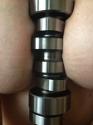

Max lift means nothing. Piston is 2 inches down the bore when it hits max lift.
Edit -- Wanted to expand on this. When I typed I was sitting on an airplane on my phone. Here are a couple of examples.
232/240-111+3 on flat top pistons, no reliefs, .550 lift, .041 head gasket. Pistons will hit the intake valves.
226/234-111+3 on flat pistons, no reliefs, .750 lift, .041 head gasket. Pistons will clear the valves
Edit -- Wanted to expand on this. When I typed I was sitting on an airplane on my phone. Here are a couple of examples.
232/240-111+3 on flat top pistons, no reliefs, .550 lift, .041 head gasket. Pistons will hit the intake valves.
226/234-111+3 on flat pistons, no reliefs, .750 lift, .041 head gasket. Pistons will clear the valves
Last edited by Darth_V8r; Mar 9, 2020 at 03:31 PM.









