







View Poll Results: Are you interested in swapping the ZF8HP transmission?
Yes, I am interested!


143
84.62%
I am unsure.


16
9.47%
I have no idea what you're talking about.


10
5.92%
Voters: 169. You may not vote on this poll
ZF8HP Transmission swap

Thread Starter
Joined: Mar 2003
Posts: 10,615
Likes: 1,883
From: Little Austin

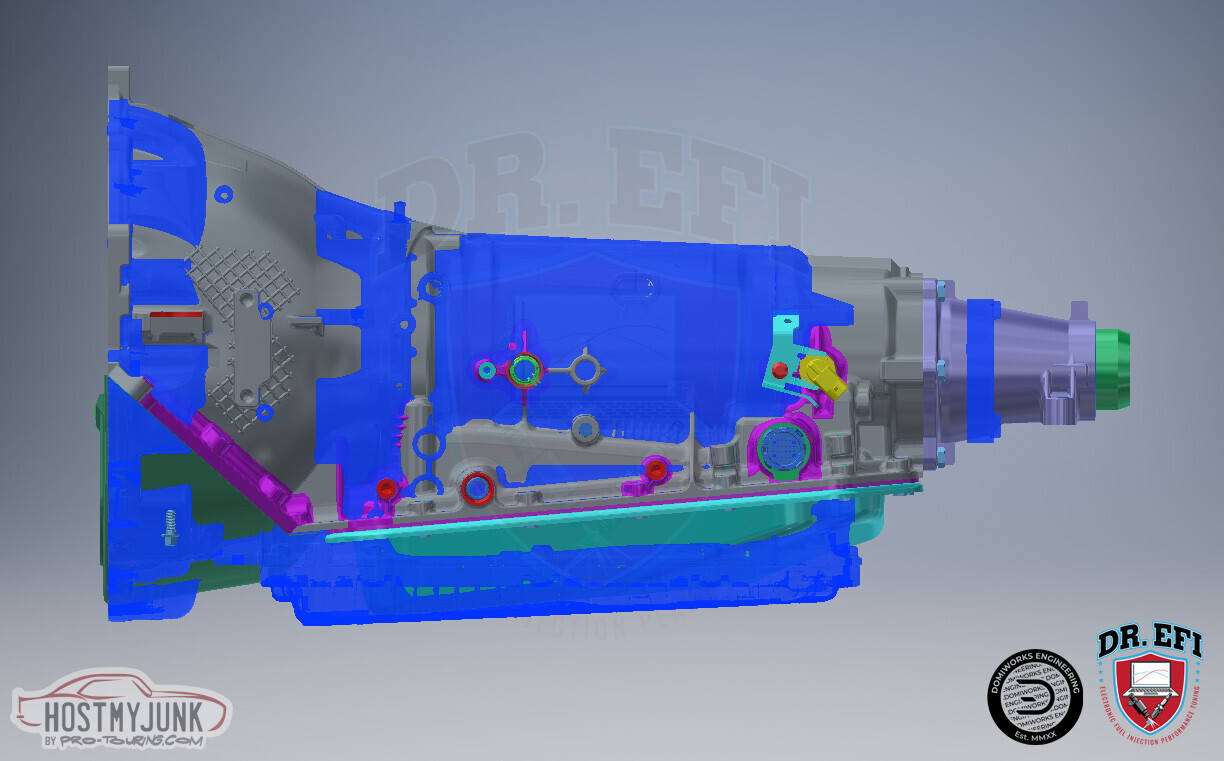
Here are the images comparing the Dodge 8HP70 with a 4L80e.
Looking at the side view, you can see that the top profile of the 8HP70 basically follows the outline of the 4L80e.
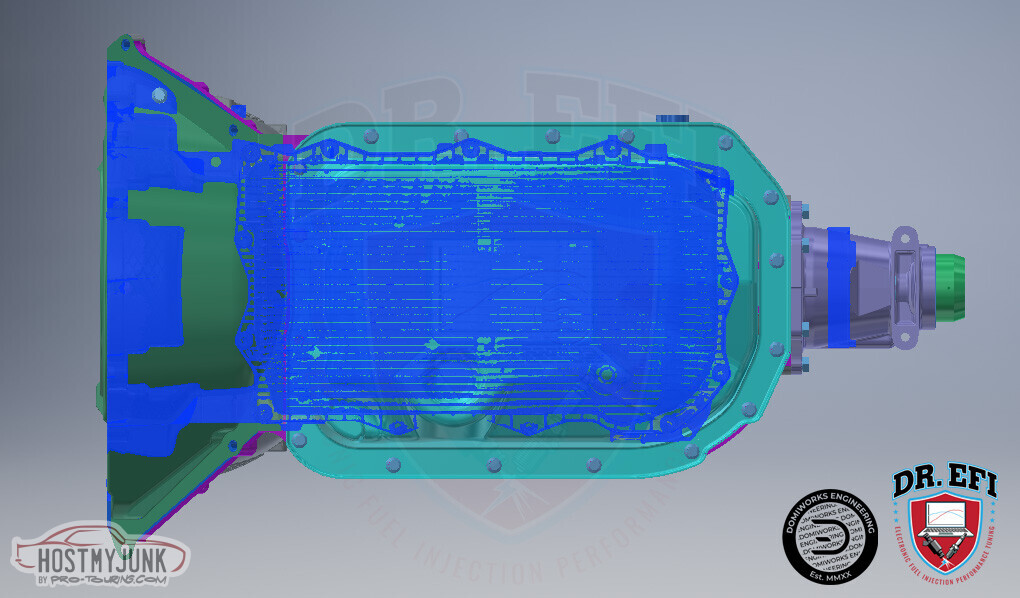
The bottom view shows how the 8HP pan has a much smaller foot print.
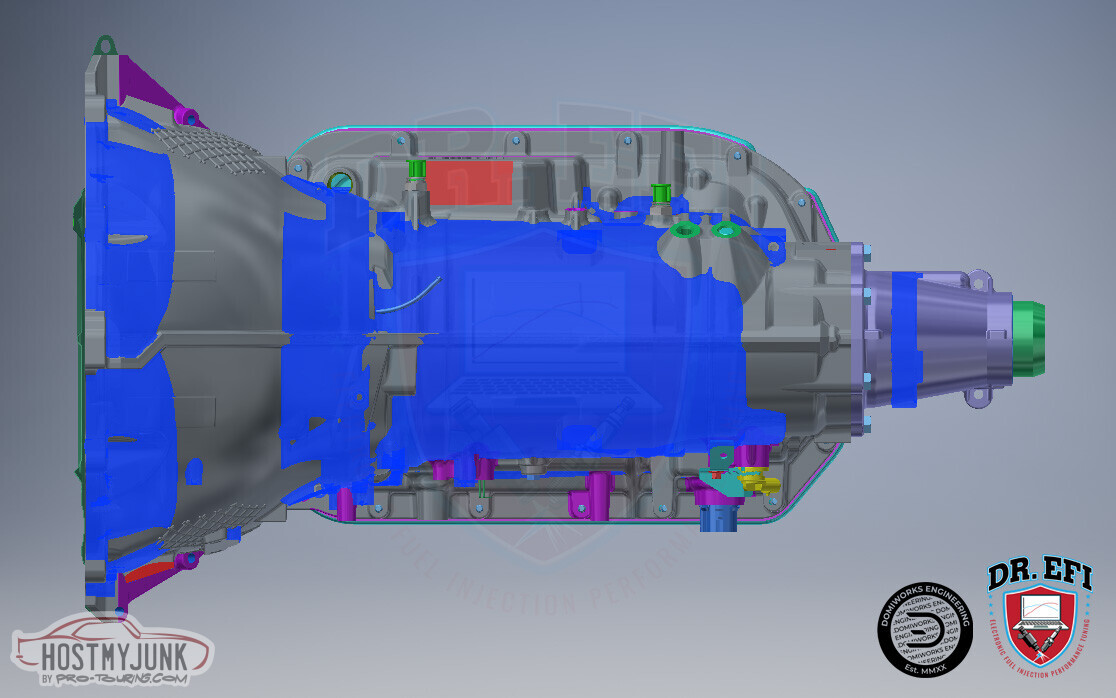
From the top view you can see that the 8HP is a little wider in the area where the bellhousing transitions into the main art of the case.
The rear view shows the depth of the 8HP oil pan in the rear.
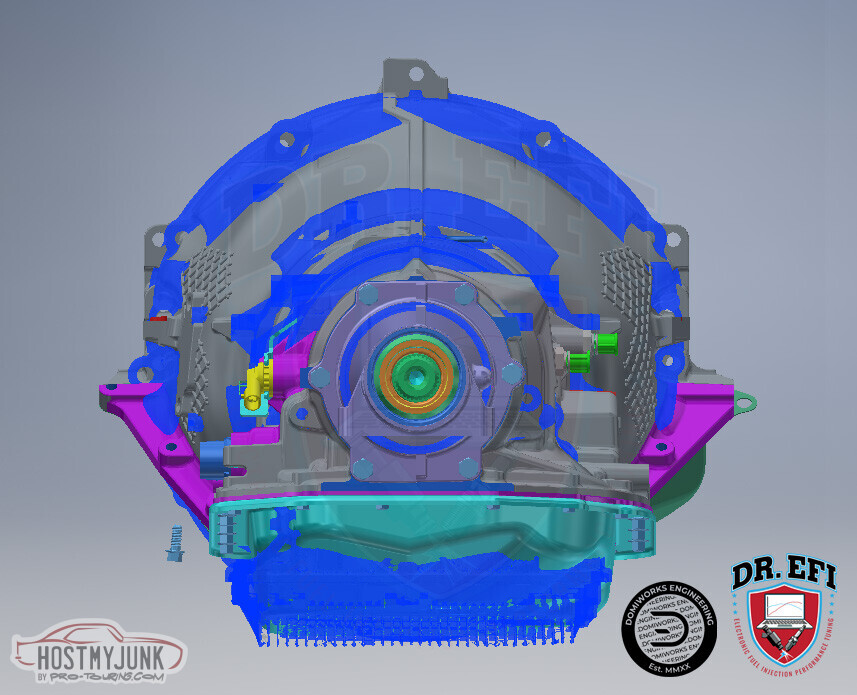
From looking at these pictures, I am pretty sure that the 8HP70 will fit where ever a 4L80e fits. If your particular vehicle needs to have the tunnel modified to use a T56 or a 4L80e, then similar modifications will be required for the 8HP70.
It also looks like the transmission mount will be very similar to the 4L80e location and to the T56 location. I will be using a TCP weld together crossmember kit. It has a universal transmission mount pad that needs to be welded in place.
Andrew
Looking at the side view, you can see that the top profile of the 8HP70 basically follows the outline of the 4L80e.
The bottom view shows how the 8HP pan has a much smaller foot print.
From the top view you can see that the 8HP is a little wider in the area where the bellhousing transitions into the main art of the case.
The rear view shows the depth of the 8HP oil pan in the rear.
From looking at these pictures, I am pretty sure that the 8HP70 will fit where ever a 4L80e fits. If your particular vehicle needs to have the tunnel modified to use a T56 or a 4L80e, then similar modifications will be required for the 8HP70.
It also looks like the transmission mount will be very similar to the 4L80e location and to the T56 location. I will be using a TCP weld together crossmember kit. It has a universal transmission mount pad that needs to be welded in place.
Andrew

Teching In


Joined: Dec 2012
Posts: 8
Likes: 1
It all depends. This transmission is in a lot of different vehicles. All the Dodge, Ram and Jeep vehicles. Jaguar has a version in their cars. The bell housing adapters are available from different manufacturers for the different models of trans. I would like to see this be a successful swap. I checked into it last year, but the TCU adapter isn’t as cheap as I need it to be.
Thread Starter
Joined: Mar 2003
Posts: 10,615
Likes: 1,883
From: Little Austin
Figure about $800-1200 for the transmission
Adapter is about $1100
TurboLamik is about $1600 with a wiring harness
From there you have options for the shifter and various other accessories that you can use. There are other expenses to consider, like an oil cooler with a thermostat.
It is less expensive than what I have in my 4L80e with a Circle D triple disk lockup converter. It is also comparable in price to a T56 Magnum if you factor in the cost of a bellhousing and a good clutch.
Andrew
Adapter is about $1100
TurboLamik is about $1600 with a wiring harness
From there you have options for the shifter and various other accessories that you can use. There are other expenses to consider, like an oil cooler with a thermostat.
It is less expensive than what I have in my 4L80e with a Circle D triple disk lockup converter. It is also comparable in price to a T56 Magnum if you factor in the cost of a bellhousing and a good clutch.
Andrew
Thread Starter
Joined: Mar 2003
Posts: 10,615
Likes: 1,883
From: Little Austin
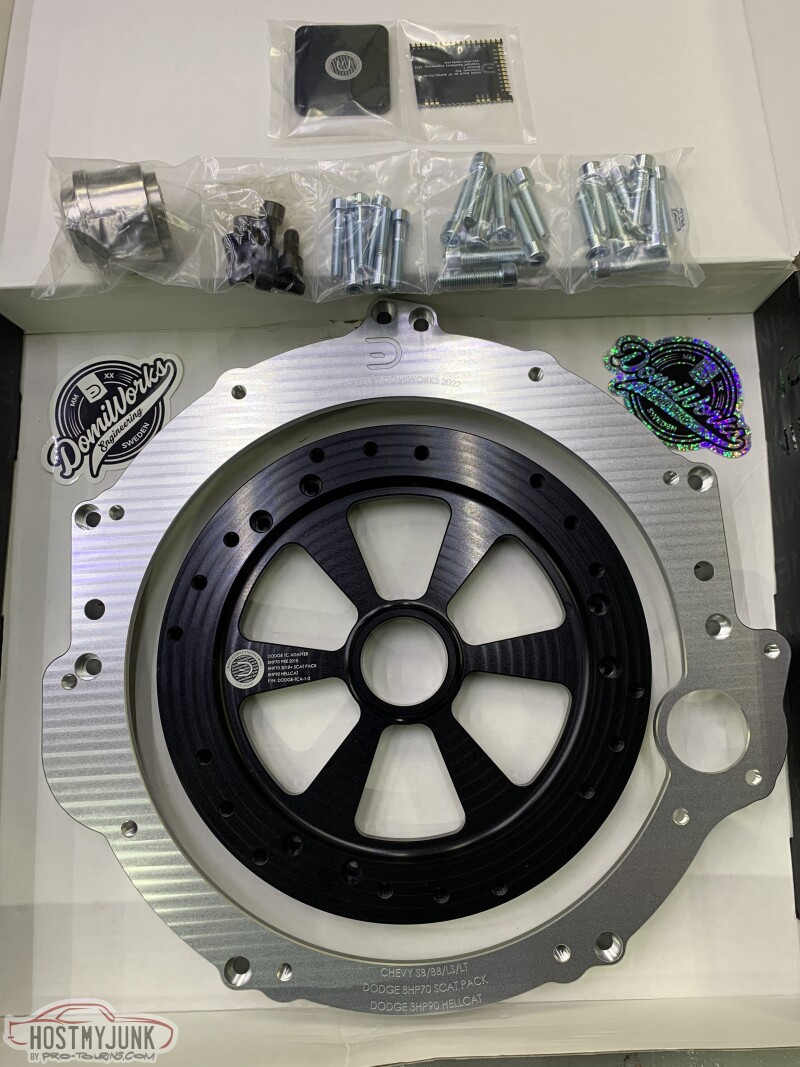
Today Tom received a little care package from Sweden. We received all three kits and everything was packaged very nicely.
This is the little PCB board that needs to be soldered in place where the stock TCU lives.
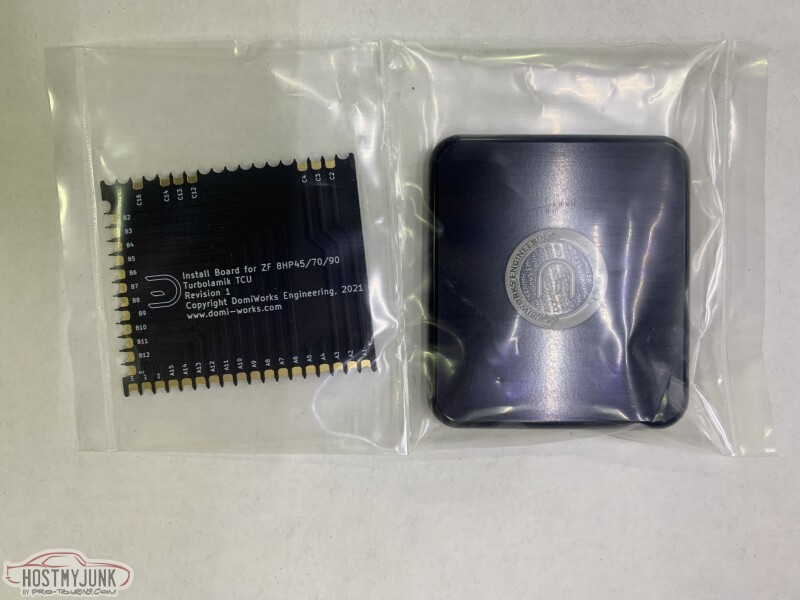
I was actually shocked to see how small the PCB board is. The TurboLamik TCU is not huge, but it is quite a bit larger than the stock TCU. I suspect that ZF has a lot of very talented electronics hardware engineers working for them and that the stock TCU probably uses some ASICs, while the TurboLamik uses more readily available, larger, general purpose chip sets. I also suspect that this si why everyone that tries to get around the stock TCU limits eventually hits a wall. That is because the ASICs have built in hardware limits that just can't be exceeded with software hacking. The TurboLamik has no such limitations and thus is more flexible.
The sleeve on the left is the adapter to use an earlier transmission where the converter snouts had a smaller diameter. We won't need them, but it is nice that they it is included. All of the hardware is included and individually packaged.
Andrew
This is the little PCB board that needs to be soldered in place where the stock TCU lives.
I was actually shocked to see how small the PCB board is. The TurboLamik TCU is not huge, but it is quite a bit larger than the stock TCU. I suspect that ZF has a lot of very talented electronics hardware engineers working for them and that the stock TCU probably uses some ASICs, while the TurboLamik uses more readily available, larger, general purpose chip sets. I also suspect that this si why everyone that tries to get around the stock TCU limits eventually hits a wall. That is because the ASICs have built in hardware limits that just can't be exceeded with software hacking. The TurboLamik has no such limitations and thus is more flexible.
The sleeve on the left is the adapter to use an earlier transmission where the converter snouts had a smaller diameter. We won't need them, but it is nice that they it is included. All of the hardware is included and individually packaged.
Andrew
Damm guys I've been on here a good while and this is one of the most interesting threads I've stumbled on in years. Seeing 8 speed dodges just take a beating and never die I've thought damm you pair this to a LS and you have a miracle combo.
LS1 Tech Stories
The Best V8 Stories One Small Block at Time

Retro Modern Bandit Pontiac Trans AM Comes With Burt Reynolds' Autograph
Verdad Gallardo
Top 10 Greatest Cadillac V Series Performance Models Ever, Ranked
Pouria Savadkouei
Top 10 Most Powerful Chevy Trucks Ever Made!

Hennessey's New Supercharged Silverado ZR2 Has 700 HP
Verdad Gallardo
Coachbuilt N2A Anteros Is an LS2-Powered C6 Corvette In Italian Clothes
Verdad Gallardo
Awesome K5 Blazer Restomod Comes With C7 Corvette Power
Verdad Gallardo
10 Camaros You Should Never Buy

10 LS Engine Myths That Refuse to Die
Verdad Gallardo
Five Reasons the Camaro Was the Most Pivotal Player in the Pony Car Wars 2.0
Brett Foote Thread Starter
Joined: Mar 2003
Posts: 10,615
Likes: 1,883
From: Little Austin
One of my local customers has a dyno. I am actually going to be doing the swap in his shop. Might be a good time to dust off that chassis dyno and make some pulls. What might be really interesting is doing a before and after and compare the dog-ring T56 to the 8HP70.
Andrew

Thread Starter
Joined: Mar 2003
Posts: 10,615
Likes: 1,883
From: Little Austin


TECH Resident


Joined: Oct 2006
Posts: 993
Likes: 173
From: Euless, TX
People want to hate on the 4L80E but with enough torque in front of it, it works quite well. Even with a relatively low powered NA SBC 383 with 502 hp and 520 tq, (compared to a power adder) and a 3.73 gear, I can break the rear tires loose to the point of having to back off the throttle to regain traction. Thats moving a 7,000 lbs van. 700+ RWHP turbo LS will not even know the 4L80E is there gearing wise in 1st gear.
https://youtu.be/Dyvl6LlkMcA?si=_5J9aVgXnBSrwEMj
Last edited by Fast355; Nov 2, 2023 at 01:51 AM.

TECH Junkie

Joined: Nov 2013
Posts: 3,913
Likes: 366
From: White Bear, Mn
In the BMW X5 M Sports the zf8 is rated to 800 lb/ft of torque.
The 4L80E has a tall 1st but really not much more power hungry than a 60E. My acceleration was actually better with a 4L85E than it was with a 4L60E when I put the 4L85E in.
People want to hate on the 4L80E but with enough torque in front of it, it works quite well. Even with a relatively low powered NA SBC 383 with 502 hp and 520 tq, (compared to a power adder) and a 3.73 gear, I can break the rear tires loose to the point of having to back off the throttle to regain traction. Thats moving a 7,000 lbs van. 700+ RWHP turbo LS will not even know the 4L80E is there gearing wise in 1st gear.
https://youtu.be/Dyvl6LlkMcA?si=_5J9aVgXnBSrwEMj
People want to hate on the 4L80E but with enough torque in front of it, it works quite well. Even with a relatively low powered NA SBC 383 with 502 hp and 520 tq, (compared to a power adder) and a 3.73 gear, I can break the rear tires loose to the point of having to back off the throttle to regain traction. Thats moving a 7,000 lbs van. 700+ RWHP turbo LS will not even know the 4L80E is there gearing wise in 1st gear.
https://youtu.be/Dyvl6LlkMcA?si=_5J9aVgXnBSrwEMj
TECH Resident
Joined: Oct 2006
Posts: 993
Likes: 173
From: Euless, TX
Physics come into play on the 4l80, the heavy rotating mass tends to wanna stay rotating...once you get it rotating that is.
I was looking at my 4l80 swap, I have lotsa room everywhere. Lets see how this goes for ya.
I was looking at my 4l80 swap, I have lotsa room everywhere. Lets see how this goes for ya.

TECH Fanatic
Joined: Nov 2014
Posts: 1,308
Likes: 660
I like the idea of an 8 speed that is efficient and probably lighter than a 4L80. But with every case there are down sides and up sides regarding many topics:
These are my impressions, not things I have experience with by any means and I could be wrong. Nevertheless:
Price: A 4L80 will generally cost less to implement. No need for adapter plate, I can get 4L80e cores for about $150.
TCU: controller is either included in some ECMs for 4L80 or always cheaper than 8HP if you need need to buy one. Some assembly required for 8HP.
Trans brake: I'm under the impression that the 8HP can do this without extra parts, 4L80 needs extra custom stuff added.
Converter options: Lots of variations available on 4L80e, but generally you will not keep the stock one, so you need to buy one. What are the 8HP converter options, can they have higher stall?
Durability: I'm not a fan of the clutches riding over aluminum splines in the 8HP. I've seen some 8HP teardowns where the aluminum splines are gouged and hard parts need to be replaced.
Internal gear ratios: With 8 gears, you can always be in the right gear.
Dimension: I don't have experience yet, but it looks like to top of the 8HP has wide haunches, compared to 4L80, so maybe some tunnel issues.
Slip Yoke: 4l80 has an internal one. You need an external for the 8HP.
Aftermarket: You can get lots of upgrade parts to make a 4L80 1000HP+ capable for dirt cheap. Don't know what the aftermarket for 8HP is yet. I know you can get the 8HP90 but that's probably a premium at this time.
Efficiency: 8HP70. Probably a huge help in N/A apps.
Coolness: Hands down 8HP.
My personal opinion is if I were building a forced induction car, I'd 4L80 it. An N/A, I'd jump in the pool for an 8HP70.
These are my impressions, not things I have experience with by any means and I could be wrong. Nevertheless:
Price: A 4L80 will generally cost less to implement. No need for adapter plate, I can get 4L80e cores for about $150.
TCU: controller is either included in some ECMs for 4L80 or always cheaper than 8HP if you need need to buy one. Some assembly required for 8HP.
Trans brake: I'm under the impression that the 8HP can do this without extra parts, 4L80 needs extra custom stuff added.
Converter options: Lots of variations available on 4L80e, but generally you will not keep the stock one, so you need to buy one. What are the 8HP converter options, can they have higher stall?
Durability: I'm not a fan of the clutches riding over aluminum splines in the 8HP. I've seen some 8HP teardowns where the aluminum splines are gouged and hard parts need to be replaced.
Internal gear ratios: With 8 gears, you can always be in the right gear.
Dimension: I don't have experience yet, but it looks like to top of the 8HP has wide haunches, compared to 4L80, so maybe some tunnel issues.
Slip Yoke: 4l80 has an internal one. You need an external for the 8HP.
Aftermarket: You can get lots of upgrade parts to make a 4L80 1000HP+ capable for dirt cheap. Don't know what the aftermarket for 8HP is yet. I know you can get the 8HP90 but that's probably a premium at this time.
Efficiency: 8HP70. Probably a huge help in N/A apps.
Coolness: Hands down 8HP.
My personal opinion is if I were building a forced induction car, I'd 4L80 it. An N/A, I'd jump in the pool for an 8HP70.
Thread Starter
Joined: Mar 2003
Posts: 10,615
Likes: 1,883
From: Little Austin
I like the idea of an 8 speed that is efficient and probably lighter than a 4L80. But with every case there are down sides and up sides regarding many topics:
These are my impressions, not things I have experience with by any means and I could be wrong. Nevertheless:
Price: A 4L80 will generally cost less to implement. No need for adapter plate, I can get 4L80e cores for about $150.
TCU: controller is either included in some ECMs for 4L80 or always cheaper than 8HP if you need need to buy one. Some assembly required for 8HP.
Trans brake: I'm under the impression that the 8HP can do this without extra parts, 4L80 needs extra custom stuff added.
Converter options: Lots of variations available on 4L80e, but generally you will not keep the stock one, so you need to buy one. What are the 8HP converter options, can they have higher stall?
Durability: I'm not a fan of the clutches riding over aluminum splines in the 8HP. I've seen some 8HP teardowns where the aluminum splines are gouged and hard parts need to be replaced.
Internal gear ratios: With 8 gears, you can always be in the right gear.
Dimension: I don't have experience yet, but it looks like to top of the 8HP has wide haunches, compared to 4L80, so maybe some tunnel issues.
Slip Yoke: 4l80 has an internal one. You need an external for the 8HP.
Aftermarket: You can get lots of upgrade parts to make a 4L80 1000HP+ capable for dirt cheap. Don't know what the aftermarket for 8HP is yet. I know you can get the 8HP90 but that's probably a premium at this time.
Efficiency: 8HP70. Probably a huge help in N/A apps.
Coolness: Hands down 8HP.
My personal opinion is if I were building a forced induction car, I'd 4L80 it. An N/A, I'd jump in the pool for an 8HP70.
These are my impressions, not things I have experience with by any means and I could be wrong. Nevertheless:
Price: A 4L80 will generally cost less to implement. No need for adapter plate, I can get 4L80e cores for about $150.
TCU: controller is either included in some ECMs for 4L80 or always cheaper than 8HP if you need need to buy one. Some assembly required for 8HP.
Trans brake: I'm under the impression that the 8HP can do this without extra parts, 4L80 needs extra custom stuff added.
Converter options: Lots of variations available on 4L80e, but generally you will not keep the stock one, so you need to buy one. What are the 8HP converter options, can they have higher stall?
Durability: I'm not a fan of the clutches riding over aluminum splines in the 8HP. I've seen some 8HP teardowns where the aluminum splines are gouged and hard parts need to be replaced.
Internal gear ratios: With 8 gears, you can always be in the right gear.
Dimension: I don't have experience yet, but it looks like to top of the 8HP has wide haunches, compared to 4L80, so maybe some tunnel issues.
Slip Yoke: 4l80 has an internal one. You need an external for the 8HP.
Aftermarket: You can get lots of upgrade parts to make a 4L80 1000HP+ capable for dirt cheap. Don't know what the aftermarket for 8HP is yet. I know you can get the 8HP90 but that's probably a premium at this time.
Efficiency: 8HP70. Probably a huge help in N/A apps.
Coolness: Hands down 8HP.
My personal opinion is if I were building a forced induction car, I'd 4L80 it. An N/A, I'd jump in the pool for an 8HP70.
I'm not sure that HP is the correct way to delineate which transmission should be used. I think it comes down to how the car will be used.
If you're a hardcore drag racer that still wants an overdrive, then the 4L80e with a properly specified converter is probably the better option.
I drag race exactly 1 time per year when I go to LS Fest. So for me, all the other benefits of the 8HP make a lot of sense.
Andrew

Thread Starter
Joined: Mar 2003
Posts: 10,615
Likes: 1,883
From: Little Austin
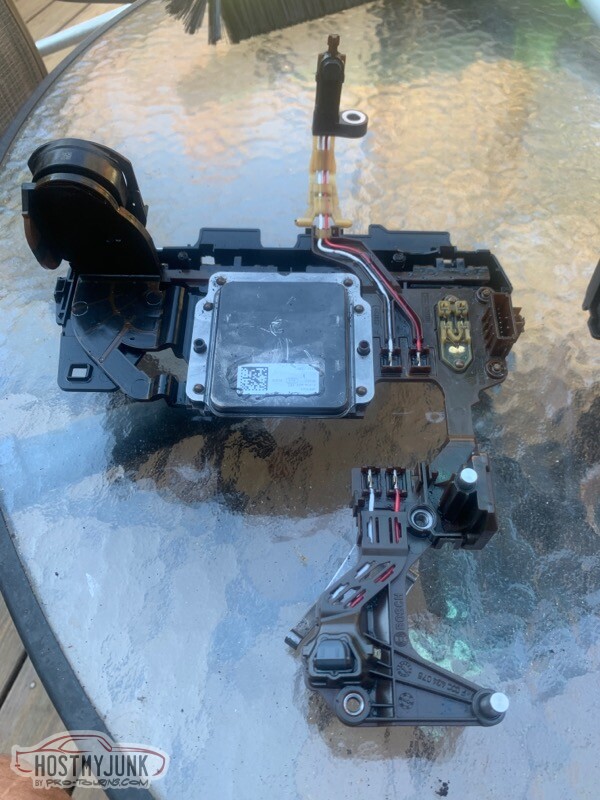
Today Tom sent me some pictures of the preparations that he is doing to the stock TCU in order to use the TurboLamik. This is the part that has to be removed from the valve body. Here it is sitting upside down and you can see the shiny plate, which is the case of the stock TCU. This top of this case must be cut off carefully by using e Dremel with a cut off disk.
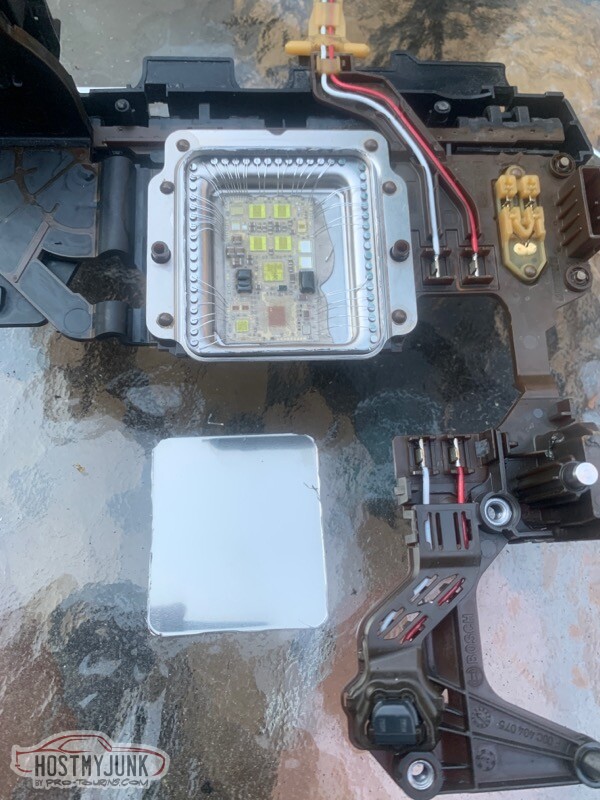
Here is the stock TCU with the cover cut off. You can see how impressively small the electronics are inside the TCU.
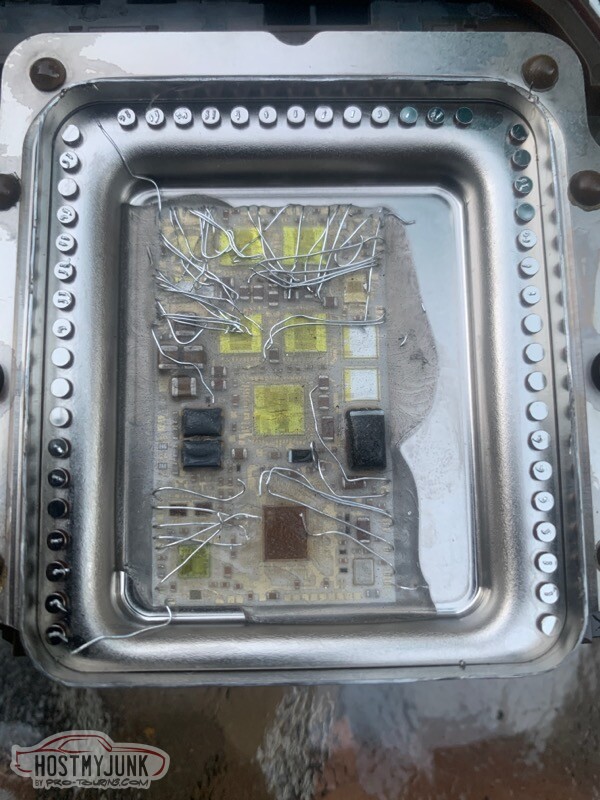
Sadly, we can't use any of it, so all of the little wires that you to go from the circuit board to the pins have to be cut off and bent back.
Here is the Domi-works PCB board. It will get soldered in place to bridge the appropriate pins so that the TurboLamik TCU can be used externally.
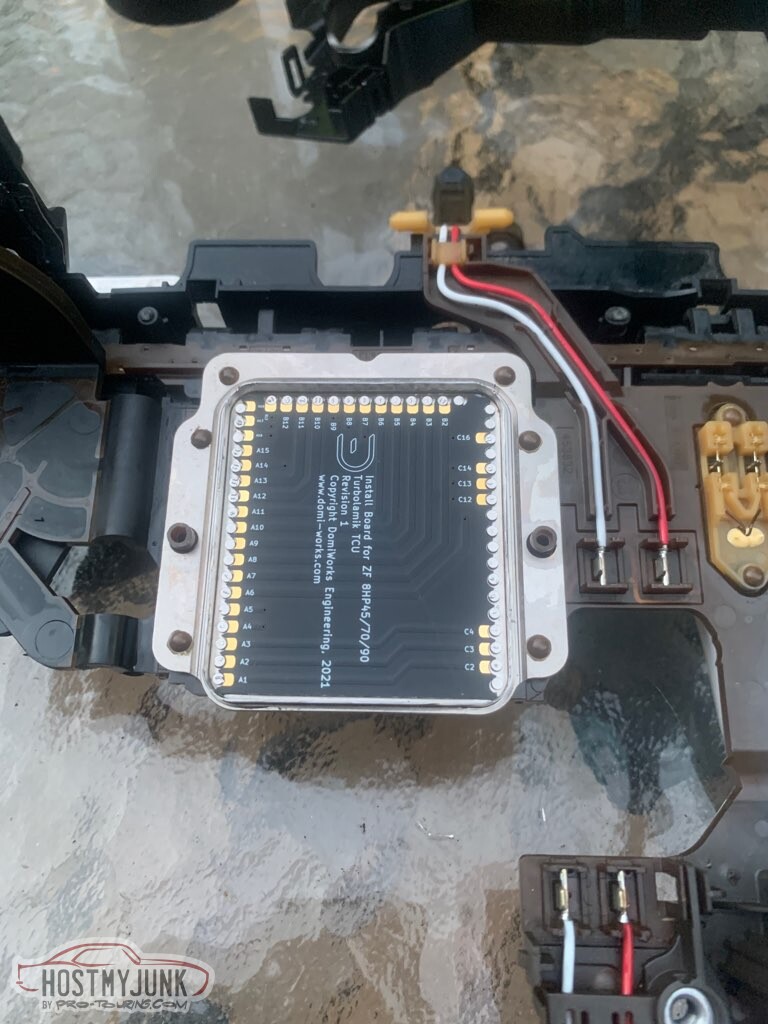
Once the PCB is soldered in place, the little billet cover has to be glued in place. Tom found a local electronics repair place that will do the soldering at a very good price. We felt that this job was important enough to have a professional do it.
Andrew
Here is the stock TCU with the cover cut off. You can see how impressively small the electronics are inside the TCU.
Sadly, we can't use any of it, so all of the little wires that you to go from the circuit board to the pins have to be cut off and bent back.
Here is the Domi-works PCB board. It will get soldered in place to bridge the appropriate pins so that the TurboLamik TCU can be used externally.
Once the PCB is soldered in place, the little billet cover has to be glued in place. Tom found a local electronics repair place that will do the soldering at a very good price. We felt that this job was important enough to have a professional do it.
Andrew

Thread Starter
Joined: Mar 2003
Posts: 10,615
Likes: 1,883
From: Little Austin
Here is another part that is necessary when doing the Dodge 8HP70 swap:
https://www.seemslegitgarage.com/pro...rk-release-kit
I should have it next week.
Andrew
https://www.seemslegitgarage.com/pro...rk-release-kit
I should have it next week.
Andrew