





Oil Pressure - Expert HELP requested !

Thread Starter
Banned
Joined: Sep 2013
Posts: 4
Likes: 0
From: Toronto, Canada
 Oil Pressure - Expert HELP requested !
 I have reviewed numerous other postings here over the past week and have considered lots of postings regarding oil pressure issues, but still come up empty on WHY not getting any Oil Pressure when cranking the motor after several attempts! My analog pressure gauge works, confirmed lots of oil in the pan, filter is full, even confirmed pump moving some oil to filter housing; BUT not getting any oil pressure when cranking motor. The motor has not been restarted since upgrades were completed six motors ago. Checked al the normal or regular issues with revolve around the oil pick up "O" ring and other issues.
OK so here's some additional facts: 2004 LS6 used motor taken from CTS-V; only 30,000 miles from damaged vehicle. Upgrades and replacement parts were installed which included: new oil pump, new timing chain and gears, camshaft, tie bar lifters, hardened push roads, heads professionally re-done; ARP bolts, replaced oil pan, pickup.
Replaced Oil pan with Corvette "Bat" pan including the pickup; New Mellings 10296 Oil pump; also added analog 12V oil pressure sensor to the oil by-pass port located above oil filter. It should also be noted this motor is installed into a mid-engine project car and for purposes of the reassembly of the motor after the upgrades we used a Haynes GM manual for the Camaro LS1 engine, even though mine is the 2004 LS6 and running an aftermarket ECU system.
DOES the motor really need to be started to try and build up pressure (ie. 20-30 psi) ? If so then how long would you run the motor "waiting" for oil pressure to build up ? Really appreciate replies and so knowledgeable thoughts on next steps to address this problem without risk of damaging a rather expensive motor. Cheers and thank you, Allan
OK so here's some additional facts: 2004 LS6 used motor taken from CTS-V; only 30,000 miles from damaged vehicle. Upgrades and replacement parts were installed which included: new oil pump, new timing chain and gears, camshaft, tie bar lifters, hardened push roads, heads professionally re-done; ARP bolts, replaced oil pan, pickup.
Replaced Oil pan with Corvette "Bat" pan including the pickup; New Mellings 10296 Oil pump; also added analog 12V oil pressure sensor to the oil by-pass port located above oil filter. It should also be noted this motor is installed into a mid-engine project car and for purposes of the reassembly of the motor after the upgrades we used a Haynes GM manual for the Camaro LS1 engine, even though mine is the 2004 LS6 and running an aftermarket ECU system.
DOES the motor really need to be started to try and build up pressure (ie. 20-30 psi) ? If so then how long would you run the motor "waiting" for oil pressure to build up ? Really appreciate replies and so knowledgeable thoughts on next steps to address this problem without risk of damaging a rather expensive motor. Cheers and thank you, Allan

There are lots of threads on the subject, Many people can't get pressure until the engine is actually running. You could prime it first. Lots of threads on that also. Garden sprayer for a primer seems like a cost effective idea. https://ls1tech.com/forums/generatio...l-priming.html
It may take 20 seconds or so of cranking to read a change in pressure. I'd rather achieve pressure by cranking, rather than running the engine, being that cranking is 300 rpm, as opposed to 1200.
I've never had to prime, or pack the pump in Vaseline or grease, to achieve pressure.
Did the rebuilder replace the oil galley plug/dumbbell?
Is the O-ring properly mounted on the filler tube? Some (including myself ) have incorrectly placed the O-ring all the way on the filler tube, rather than placed correctly before the filler tube flare.
The correct way...

I've never had to prime, or pack the pump in Vaseline or grease, to achieve pressure.
Did the rebuilder replace the oil galley plug/dumbbell?
Is the O-ring properly mounted on the filler tube? Some (including myself
) have incorrectly placed the O-ring all the way on the filler tube, rather than placed correctly before the filler tube flare.The correct way...

Thread Starter
Banned
Joined: Sep 2013
Posts: 4
Likes: 0
From: Toronto, Canada
Appreciate the comments; engine builder actually only did the heads, personally I handled the other install items over six months ago. I did check out lots of other threads, but still not locating the problem of no oil pressure when cranking. Any thoughts if the location of the analog oil pressure sensor on the by-pass housing is acceptable approach? Don't remember if the O ring sat on the middle section or above the flare? If above the flare, would that be the problem for low suction or no suction? Welcome others thoughts, thanks
Are you cranking with spark plugs in? You get more rpms if you remove the plugs. If you read some of the other threads on the topic some people just can't get pressure until the motor is fired but never had a problem afterward.
Thread Starter
Banned
Joined: Sep 2013
Posts: 4
Likes: 0
From: Toronto, Canada
Cranking with Ign/Fuel disconnected, spark plugs out ! Not started yet a little concerned with no oil pressure; as well may take some time to start with aftermarket ECU and configuring the start up settings. Thanks
Trending Topics
Cranking it with no pressure is doing as much damage as starting it with no pressure for 10 sec.
The proper way is to pre lube the engine.
Either pre lube it or just start it.
The proper way is to pre lube the engine.
Either pre lube it or just start it.
LS1 Tech Stories
The Best V8 Stories One Small Block at Time

6 Gifts Neither Your Dad Nor Grad Will Shove Into the 'Trinket Drawer'
Brett Foote
Topdon ONE vs. Artidiag 800 BT2: Which is the Diagnostic Tablet For You?
Pouria Savadkouei
Gas Monkey Built a 6-Wheel Ferrari Testarossa With a Corvette LT4 Engine
Verdad Gallardo
7 Most Reliable High-Performance Engines GM Has Ever Built
Verdad Gallardo
Amazing '71 Camaro Restomod Is Modern Muscle Car Under the Skin
Verdad Gallardo
6 Common C5 Corvette Failures and What's Involved In Repairing Them
Pouria Savadkouei
Retro Modern Bandit Pontiac Trans AM Comes With Burt Reynolds' Autograph
Verdad Gallardo
Top 10 Greatest Cadillac V Series Performance Models Ever, Ranked
Pouria Savadkouei
Top 10 Most Powerful Chevy Trucks Ever Made!


Keep in mind the oil pump on these and other modern engines are NOT immersed in the oil in the pan sump. Sometimes it takes some decent crank speed to get suction up enough to start drawing oil.
You could open the oil galley plug on the front left of the block and dump in some oil-thereby "priming" the pump as you would a de-watering pump.
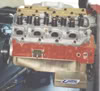
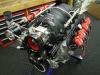
This is my freshly built engine. It did take a few seconds at first to get pressure up.
You could open the oil galley plug on the front left of the block and dump in some oil-thereby "priming" the pump as you would a de-watering pump.
This is my freshly built engine. It did take a few seconds at first to get pressure up.
When the o-ring is mounted all the way on, beyond the flare, it is the metal flare which pushes against the pump, rather than the o-ring. While there is some measure of rubber touching the pump, it probably isn't enough of a seal.
Last edited by gMAG; Nov 25, 2014 at 06:50 PM. Reason: Correction/no pressure on o-ring side>thanks, Gray
TECH Enthusiast
Joined: Apr 2007
Posts: 709
Likes: 2
From: 336 NC
The oil cooler ports above the oil filter haven't been blocked off with a flat plate have they?
I ask because a local swapped an LQ4 that had a factory cooler and then couldn't figure out why it didn't make pressure. It needed the GM oil cooler delete plate that is bulged out instead of the homemade flat blockoff plate.
I ask because a local swapped an LQ4 that had a factory cooler and then couldn't figure out why it didn't make pressure. It needed the GM oil cooler delete plate that is bulged out instead of the homemade flat blockoff plate.
Thread Starter
Banned
Joined: Sep 2013
Posts: 4
Likes: 0
From: Toronto, Canada
The oil cooler ports above the oil filter haven't been blocked off with a flat plate have they?
I ask because a local swapped an LQ4 that had a factory cooler and then couldn't figure out why it didn't make pressure. It needed the GM oil cooler delete plate that is bulged out instead of the homemade flat blockoff plate.
I ask because a local swapped an LQ4 that had a factory cooler and then couldn't figure out why it didn't make pressure. It needed the GM oil cooler delete plate that is bulged out instead of the homemade flat blockoff plate.
LS1Tech Sponsor


Joined: Sep 2004
Posts: 829
Likes: 585
Sometimes these engines are a bitch to prime....if your comfy your O-ring is perfect and you have assembly lube on all the important bearing surfaces you could honestly fire it up.....you should have pressure in 2-3 seconds. If 5 seconds pass I would kill the engine and trouble shoot a little.
Another trick I have used on the dyno is to actually pressurize the crankcase with regulated compressed air (8-10 PSI) while your cranking the engine with no plugs and a fresh battery. The pressurized crankcase actually helps push the oil into the oil pump and helps it prime right away. You have to block off all areas that air can escape on the valve covers to be able to build this pressure and it can be monitored with a pressure/vacuum gauge available at any parts store.
Makes sense right?.....your putting pressure across the entire top of the oil level in the sump therefore its pushed up the pick up and into the oil pump....it really helps the suction from the slow turning oil pump get oil to it and prime the system.
Hope this helps
-Tony
Another trick I have used on the dyno is to actually pressurize the crankcase with regulated compressed air (8-10 PSI) while your cranking the engine with no plugs and a fresh battery. The pressurized crankcase actually helps push the oil into the oil pump and helps it prime right away. You have to block off all areas that air can escape on the valve covers to be able to build this pressure and it can be monitored with a pressure/vacuum gauge available at any parts store.
Makes sense right?.....your putting pressure across the entire top of the oil level in the sump therefore its pushed up the pick up and into the oil pump....it really helps the suction from the slow turning oil pump get oil to it and prime the system.
Hope this helps
-Tony
__________________

www.mamomotorsports.com
Tony@MamoMotorsports.com
Anything worth doing is worth doing well. Build it right the first time....its alot cheaper than building it twice!!
www.mamomotorsports.com
Tony@MamoMotorsports.com
Anything worth doing is worth doing well. Build it right the first time....its alot cheaper than building it twice!!

Launching!
Joined: May 2013
Posts: 212
Likes: 0
From: Fairfax, VA
I just recently had to do the same thing with my engine, i cranked it without plugs, fuel and spark for about 30-40 seconds total and no pressure. I over filled it (7 qts in a 5 qt pan) and the higher oil level will naturally make its way farther up the pickup tube.