





LT1 Catch Can Needed??

TECH Resident
Joined: Apr 2010
Posts: 787
Likes: 0
From: T E X A S

if you are getting a lot of oil in the intake a catch can may be able to stop a little bit.
90% of people that have them on their cars don't need them, and usually it isn't even functional anyways.
90% of people that have them on their cars don't need them, and usually it isn't even functional anyways.
The PCV is required by guvment to reduce emissions period. The system does help do this but the negative impact is that there will be some oil that ends up making it into the intake and ultimately into the combustion chamber even with a bone stock motor but much more so with aftermarket cams.
The aftermarket catch cans do a very good job of ensuring that the PCV system works as intended without having oil make it into the motor. The only reason manufacturers dont put catch cans on their new cars is because most owners wont empty the can.
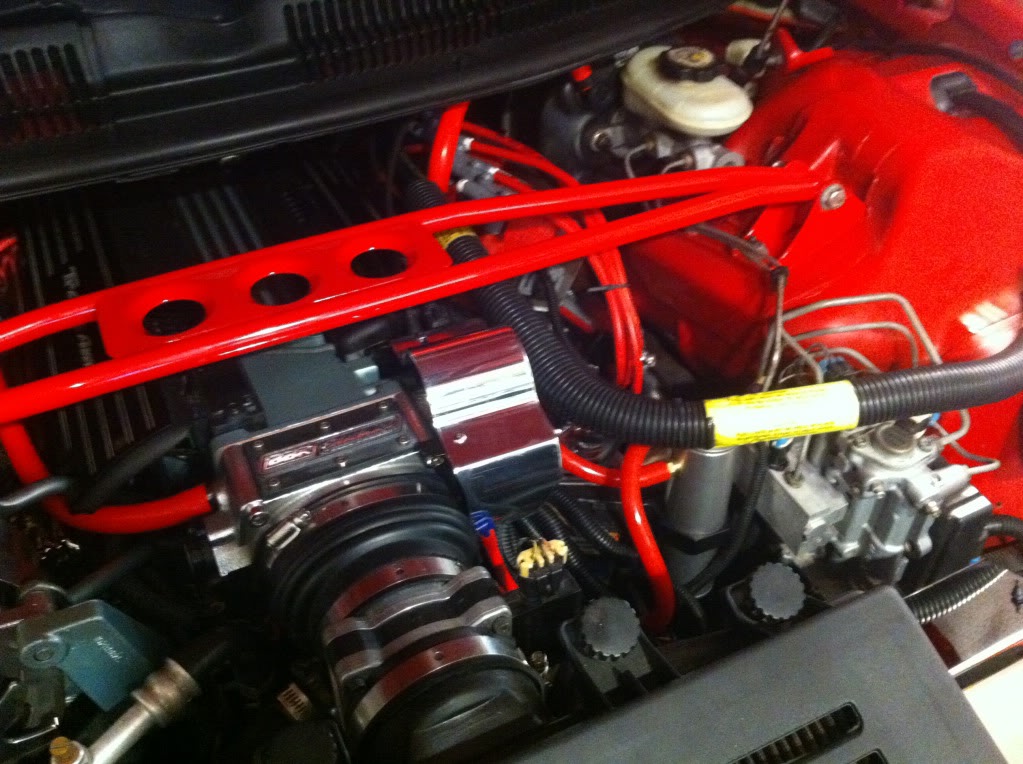
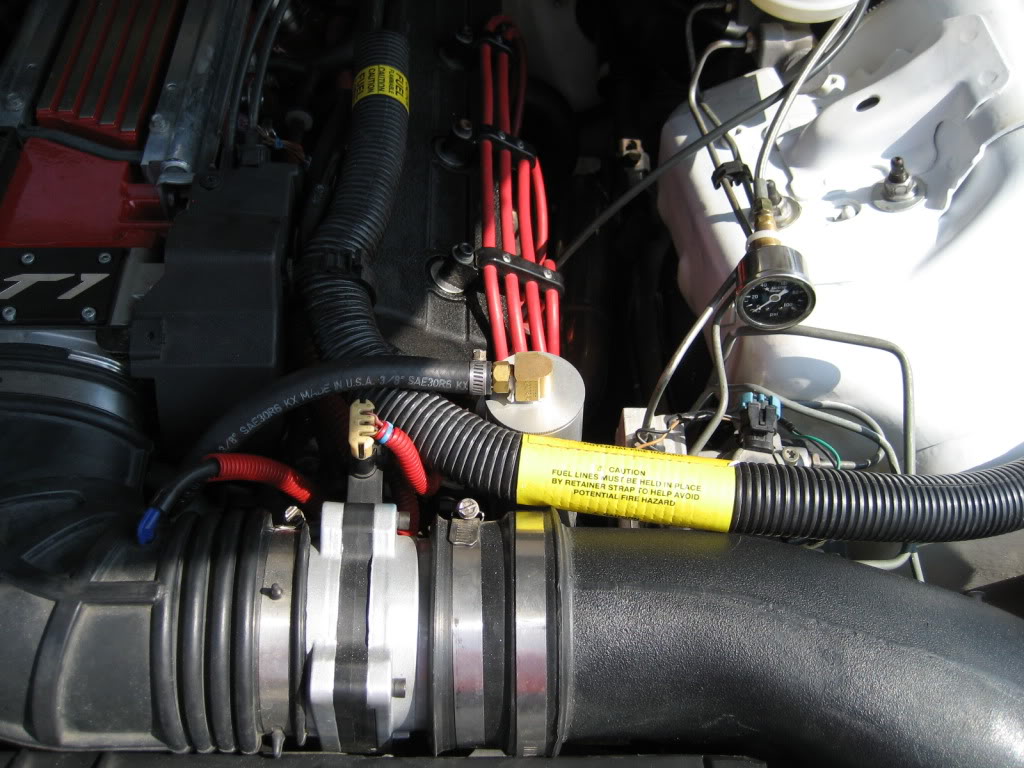
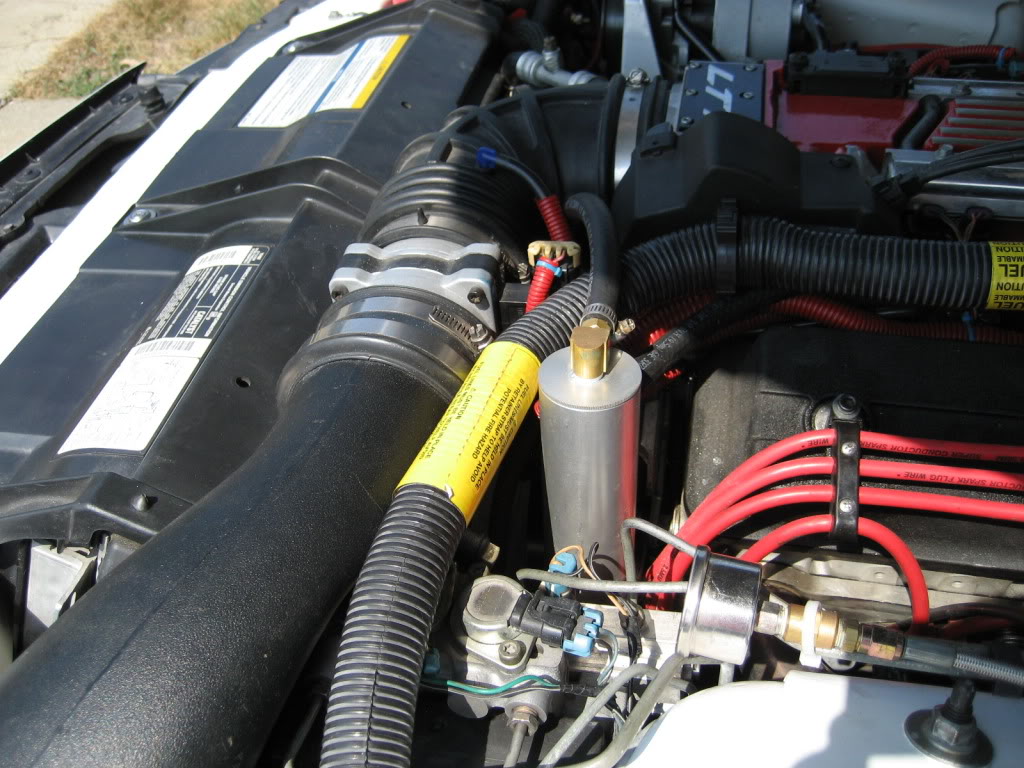
Ok all that said, here is my Norris Motorsports catch can for the LS1 and yes it fits any motor. It does a very good job of keeping oil out of my motor. Prior to using it, I had tons of oil in the intake that would drop into the motor to the point that from time to time, you could smell oil burning out the exhaust.
Looks factory and has about 1/2" of oil in it after maybe 1500 miles.
To conclude, their are benefits to keeping oil out of the motor by using a catch can on any motor including a bone stock one IMO. Just about anyone with an agressive aftermarket cam should really have the can if they have any signs of oil in the intake.
TECH Resident
Joined: Apr 2010
Posts: 787
Likes: 0
From: T E X A S
most people, the OP included don't know a soda can from a real oil catch can.
http://www.mikenorrismotorsports.com...atch_Cans.html
http://www.mikenorrismotorsports.com...atch_Cans.html
I have the same one as wrd1972 and works like a champ:
IMG_0611.jpg?t=1303422694
IMG_0613.jpg?t=1303422664
IMG_0612.jpg?t=1303422651
IMG_0611.jpg?t=1303422694
IMG_0613.jpg?t=1303422664
IMG_0612.jpg?t=1303422651

Trending Topics
LS1 Tech Stories
The Best V8 Stories One Small Block at Time

Gas Monkey Built a 6-Wheel Ferrari Testarossa With a Corvette LT4 Engine
Verdad Gallardo
7 Most Reliable High-Performance Engines GM Has Ever Built
Verdad Gallardo
Amazing '71 Camaro Restomod Is Modern Muscle Car Under the Skin
Verdad Gallardo
6 Common C5 Corvette Failures and What's Involved In Repairing Them
Pouria Savadkouei
Retro Modern Bandit Pontiac Trans AM Comes With Burt Reynolds' Autograph
Verdad Gallardo
Top 10 Greatest Cadillac V Series Performance Models Ever, Ranked
Pouria Savadkouei
Top 10 Most Powerful Chevy Trucks Ever Made!

Hennessey's New Supercharged Silverado ZR2 Has 700 HP
Verdad Gallardo
Coachbuilt N2A Anteros Is an LS2-Powered C6 Corvette In Italian Clothes
Verdad Gallardo i run a vacuum pump now but if not run your pcv hose to the top of a sealed catch can and run your valve cover lines into the side the can gets a vacuum pulled in it the vapors get pulled out top and back into intake and the oil falls to the bottom.......with a cammed car bigger hose -8 or -10an helps to move extra volume to make up for the lack of vacuum......
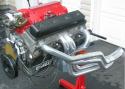


When I pulled my intake it was coated in OIL and to keep this at bay I decided to istall one. So far my intake has been staying pretty clean and the PCV has been clean as well as the catch can is doing it's job and getting it before it gets thru the PCV.
Okay I will respectfully respond.
Following is copied and just reinforces my belief but in much greater deatail. When they speak to it being added for California cars in the 60's, I think it is safe to assume the government mandated it. Highlights bolded.
"The Positive Crankcase Ventilation (PCV) system reduces blowby emissions from the engine. About 20% of the total hydrocarbon (HC) emissions produced by a vehicle are blowby emissions from gases that get past the piston rings and enter the crankcase. The higher the mileage on the engine and the greater the wear on the piston rings and cylinders, the greater the blowby into the crankcase.
Before PCV was invented, blowby vapors were simply vented to the atmosphere through a "road draft tube" that ran from a vent hole in a valve cover or valley cover down toward the ground. In 1961, the first PCV systems appeared on California cars. The PCV system used intake vacuum to siphon blowby vapors back into the intake manifold. This allowed the HC to be re-burned and eliminated blowby vapors as a source of pollution.The system proved to be so effective that "open" PCV systems were added to most cars nationwide in 1963. An open PCV system draws air in through a mesh filter inside the oil filler cap or a breather on a valve cover. The flow of fresh air through the crankcase helped pull moisture out of the oil to extended oil life and reduce sludge. The only drawback to these early open PCV systems was that blowby vapors could still backup at high engine speed and loads, and escape into the atmosphere through the oil filler cap or valve cover breather.
In 1968, "closed" PCV systems were added to most cars. The breather inlet was relocated inside the air cleaner housing so if pressure backed up it would overflow into the air cleaner and be sucked down the carburetor. No vapors would escape into the atmosphere."
Following is copied and just reinforces my belief but in much greater deatail. When they speak to it being added for California cars in the 60's, I think it is safe to assume the government mandated it. Highlights bolded.
"The Positive Crankcase Ventilation (PCV) system reduces blowby emissions from the engine. About 20% of the total hydrocarbon (HC) emissions produced by a vehicle are blowby emissions from gases that get past the piston rings and enter the crankcase. The higher the mileage on the engine and the greater the wear on the piston rings and cylinders, the greater the blowby into the crankcase.
Before PCV was invented, blowby vapors were simply vented to the atmosphere through a "road draft tube" that ran from a vent hole in a valve cover or valley cover down toward the ground. In 1961, the first PCV systems appeared on California cars. The PCV system used intake vacuum to siphon blowby vapors back into the intake manifold. This allowed the HC to be re-burned and eliminated blowby vapors as a source of pollution.The system proved to be so effective that "open" PCV systems were added to most cars nationwide in 1963. An open PCV system draws air in through a mesh filter inside the oil filler cap or a breather on a valve cover. The flow of fresh air through the crankcase helped pull moisture out of the oil to extended oil life and reduce sludge. The only drawback to these early open PCV systems was that blowby vapors could still backup at high engine speed and loads, and escape into the atmosphere through the oil filler cap or valve cover breather.
In 1968, "closed" PCV systems were added to most cars. The breather inlet was relocated inside the air cleaner housing so if pressure backed up it would overflow into the air cleaner and be sucked down the carburetor. No vapors would escape into the atmosphere."
Okay I will respectfully respond.
Following is copied and just reinforces my belief but in much greater deatail. When they speak to it being added for California cars in the 60's, I think it is safe to assume the government mandated it. Highlights bolded.
"The Positive Crankcase Ventilation (PCV) system reduces blowby emissions from the engine. About 20% of the total hydrocarbon (HC) emissions produced by a vehicle are blowby emissions from gases that get past the piston rings and enter the crankcase. The higher the mileage on the engine and the greater the wear on the piston rings and cylinders, the greater the blowby into the crankcase.
Before PCV was invented, blowby vapors were simply vented to the atmosphere through a "road draft tube" that ran from a vent hole in a valve cover or valley cover down toward the ground. In 1961, the first PCV systems appeared on California cars. The PCV system used intake vacuum to siphon blowby vapors back into the intake manifold. This allowed the HC to be re-burned and eliminated blowby vapors as a source of pollution.The system proved to be so effective that "open" PCV systems were added to most cars nationwide in 1963. An open PCV system draws air in through a mesh filter inside the oil filler cap or a breather on a valve cover. The flow of fresh air through the crankcase helped pull moisture out of the oil to extended oil life and reduce sludge. The only drawback to these early open PCV systems was that blowby vapors could still backup at high engine speed and loads, and escape into the atmosphere through the oil filler cap or valve cover breather.
In 1968, "closed" PCV systems were added to most cars. The breather inlet was relocated inside the air cleaner housing so if pressure backed up it would overflow into the air cleaner and be sucked down the carburetor. No vapors would escape into the atmosphere."
Following is copied and just reinforces my belief but in much greater deatail. When they speak to it being added for California cars in the 60's, I think it is safe to assume the government mandated it. Highlights bolded.
"The Positive Crankcase Ventilation (PCV) system reduces blowby emissions from the engine. About 20% of the total hydrocarbon (HC) emissions produced by a vehicle are blowby emissions from gases that get past the piston rings and enter the crankcase. The higher the mileage on the engine and the greater the wear on the piston rings and cylinders, the greater the blowby into the crankcase.
Before PCV was invented, blowby vapors were simply vented to the atmosphere through a "road draft tube" that ran from a vent hole in a valve cover or valley cover down toward the ground. In 1961, the first PCV systems appeared on California cars. The PCV system used intake vacuum to siphon blowby vapors back into the intake manifold. This allowed the HC to be re-burned and eliminated blowby vapors as a source of pollution.The system proved to be so effective that "open" PCV systems were added to most cars nationwide in 1963. An open PCV system draws air in through a mesh filter inside the oil filler cap or a breather on a valve cover. The flow of fresh air through the crankcase helped pull moisture out of the oil to extended oil life and reduce sludge. The only drawback to these early open PCV systems was that blowby vapors could still backup at high engine speed and loads, and escape into the atmosphere through the oil filler cap or valve cover breather.
In 1968, "closed" PCV systems were added to most cars. The breather inlet was relocated inside the air cleaner housing so if pressure backed up it would overflow into the air cleaner and be sucked down the carburetor. No vapors would escape into the atmosphere."

On The Tree
Joined: Jan 2012
Posts: 179
Likes: 0
I agree completely about the need for a catch can. They are inexpensive and easy to install and a good baffled catch can will superise you on the amount of oil it will "catch". The oil introduced into the intake tract causes a reduction in the octaine of the air/fuel charge. Even a little oil could cause the knock sensor to detect knock and pull timing. Every time I check my catch can there is oil in it. I check it every 1k miles or so. And yes in the old days, they just vented the engine there were no such means of pulling a vacuum on the crankcase. You guys have seen cars with hoses from the top of the valve covers run down to the top of te headers right? That's the same principle as running a vac pump. The Venturi effect of the speed of the exhaust gas will pull a vacuum on the crankcase. I don't disagree with the fact having negative vacuum in the crankcase is a plus. But PVC systems are here today because of the EPA/government.


Thread Starter
12 Second Club
iTrader: (22)
Joined: Dec 2011
Posts: 826
Likes: 0
From: Pittsburgh, PA
very good info on the catch can buy got one question.........when u install the catch can is there a special way tht it gotta be installed like the air flow going thur the can are there arrows or dont it matter

this is extremely wrong lol........the pcv is there to pull combustion vapors out of the crank case.......remove your pcv and see how it runs.......99% of the "catch can" setups out there are plumbed wrong........then everybody wonders why their newly cammed car blows brown smoke when they are on the throttle......they wind up ring fluttering from all the bottom end pressure....a ventilation system is needed
 The 1/2" hose from the vc to tb is what vents the crankcase pressure, but I ditched that for a breather in each vc.
 And all the newer hemis have is a 3/4" hose to the intake tube, no pcv valve or vacuum on the crankcase at all.
And if I could do it over again I would just run a breather tank from each vc and cap the pcv off.