






Reverse torquer cam (the other side of the coin)
TECH Apprentice
Joined: Feb 2011
Posts: 322
Likes: 0
From: Bentonville, AR

Thread Revival...
But I've read this entire thread through twice now. Makes it almost impossible to make a decision! I was leaning pretty hard on the el torro based cam. But going all the way back to the specs in pred-z's original post, it almost seems like it would be more agressive, especially with the 108 LSA. I may never pick a cam... hahaha
But I've read this entire thread through twice now. Makes it almost impossible to make a decision! I was leaning pretty hard on the el torro based cam. But going all the way back to the specs in pred-z's original post, it almost seems like it would be more agressive, especially with the 108 LSA. I may never pick a cam... hahaha
TECH Apprentice
Joined: Feb 2011
Posts: 322
Likes: 0
From: Bentonville, AR
Cool, thanks. Did you ever actually try a cam like the one you spec'd in the original post? I'm real curious to know how that would have been, not on paper but actually in a car. Maybe I'll be a guinea pig soon...
TECH Apprentice
Joined: Feb 2011
Posts: 322
Likes: 0
From: Bentonville, AR

Exactly, most of the bigger popular cams don't even get to 400rwtq without tons of other mods and a near perfect setup. I'm not really that interested in what the dyno shows for me as of horsepower, that number doesn't mean much to me. As far as a goal though I'd love to see at least a 4xxrwtq number when said and done... and I think a cam like this makes that a very reachable goal.

Thread Starter
TECH Senior Member
Joined: Mar 2004
Posts: 14,620
Likes: 17
From: BFE
That was my whole point into creating that cam, because my purpose is always "true street", ie: drive it everywhere and have fun at the track when desired.
All of us look for the "perfect" cam, but in reality, I've yet to see one live, it is so been a tug of war and whenever you spec one to achieve, high rpm output, you leave some of the midrange on the table.
The 230/230 is the closest I've been able to achieve that is more of an "All Around".
Mind you, it is not the most Hp producing, but the torque curve it carries, is very "broad" and contrary to most RS cams on the market, it carries well into the rpms without running out and nose diving after "peak". (Peak not being max rpm reached, but being the point at which it produced max Hp for its valve events and supporting mods)
All of us look for the "perfect" cam, but in reality, I've yet to see one live, it is so been a tug of war and whenever you spec one to achieve, high rpm output, you leave some of the midrange on the table.
The 230/230 is the closest I've been able to achieve that is more of an "All Around".
Mind you, it is not the most Hp producing, but the torque curve it carries, is very "broad" and contrary to most RS cams on the market, it carries well into the rpms without running out and nose diving after "peak". (Peak not being max rpm reached, but being the point at which it produced max Hp for its valve events and supporting mods)
TECH Apprentice
Joined: Feb 2011
Posts: 322
Likes: 0
From: Bentonville, AR
Well done, cause one of my 'deals', I guess you could call it, is that no matter what I put in my car, I want to able to run quick ET's, but also be able to drive my car to and from the track and to work and home, etc. Watching Chris1313's runs on youtube pretty much prove it's worth (yes I know there are lot's of other things done to the car, blah blah...) Anyways... can't wait till I have the $$$ ready to make this happen. I'm tired of talking about it haha, but being a new daddy is kinda slowing down my car mods. But it's worth it. I just wanna go fast, lol
LS1 Tech Stories
The Best V8 Stories One Small Block at Time

6 Common C5 Corvette Failures and What's Involved In Repairing Them
Pouria Savadkouei
Retro Modern Bandit Pontiac Trans AM Comes With Burt Reynolds' Autograph
Verdad Gallardo
Top 10 Greatest Cadillac V Series Performance Models Ever, Ranked
Pouria Savadkouei
Top 10 Most Powerful Chevy Trucks Ever Made!

Hennessey's New Supercharged Silverado ZR2 Has 700 HP
Verdad Gallardo
Coachbuilt N2A Anteros Is an LS2-Powered C6 Corvette In Italian Clothes
Verdad Gallardo
Awesome K5 Blazer Restomod Comes With C7 Corvette Power
Verdad Gallardo
10 Camaros You Should Never Buy

10 LS Engine Myths That Refuse to Die
Verdad Gallardo
One of these cams seems like it might be good for my set-up since the comp will be somewhat low using a stock LQ4 with 241 heads in an A4 formula maybe 3600 stall probably shift around 6300 not a dd but close on the plus side i dont have e check here so its a non emisions car

if my thinking is correct, would the 232/228 .595/.588 108-1 be good for a strip only,cam only 5.3? im thinking it would because you have a narrow LSA keeping the DCR up in a desireable range. isnt that how the Thumpr cams are done? big duration with a tight LSA? the only thing is i have a victor jr and a 4150 Tb so i think intake wise im good but im still running stock 706 casting heads. on the exhaust side i am running 1 3/4" long tubes with 14" collector extension turn downs. im interested to hear what you think about this cam on my setup.
Last edited by nastychevelle; Jun 29, 2011 at 05:19 PM.
Thread Starter
TECH Senior Member
Joined: Mar 2004
Posts: 14,620
Likes: 17
From: BFE
One of these cams seems like it might be good for my set-up since the comp will be somewhat low using a stock LQ4 with 241 heads in an A4 formula maybe 3600 stall probably shift around 6300 not a dd but close on the plus side i dont have e check here so its a non emisions car
For converter I would suggest SS4000 Yank.(to achieve your ET goals)
Last edited by PREDATOR-Z; Jun 30, 2011 at 01:30 AM.

I ran a 236/232 on a 110-1 in my Camaro. I loved the cam. Took off from 2k until 6.4k with a ls6 intake. Had power everywhere. For a street cam I would run one again. I now have a TRex to better suit my set up and goals.

TECH Resident
Joined: Aug 2003
Posts: 960
Likes: 1
From: Central, FL
I do not believe this is always the case
Take this cam
230/228 110-1 LSA
4>IVO
46>IVC
43>EVO
5>EVC
109>ECL
9* overlap
Look at the graph and you can see that the relation of IVC/EVO is very important in making trq and how you position intake bias is what is allowing that cam to carry far into the rpms without falling on its face (with regards to reverse that is)
To understand a reverse you have to discard traditional thinking, because as long as you cling to that, they won't make sense.
However as you can see, they actualy act contrary to beliefs with the right valve events.
That engine is also ~ 11.2:1 SCR, 346 ci, CNC ported 243 heads 59cc, stock valves.
400lbs of trq at 3500 rpm
This is not a fluke, I have duplicated that in various cid.The discussion from the biginning is not about max effort Hp production, but about substantial increase in early rpm trq which cooked in the right combo will have lethal results at the track.
So why run 7500 rpm if you can do better work by 7000? (in race environment)
It is all about where you want to make that power in the band and how will you use it.
Bottom line, the combos between traditional and reverse splits are not the same and each cater to their parameters in a certain way. That is why one cannot look at them from the same angle.
Take this cam
230/228 110-1 LSA
4>IVO
46>IVC
43>EVO
5>EVC
109>ECL
9* overlap
Look at the graph and you can see that the relation of IVC/EVO is very important in making trq and how you position intake bias is what is allowing that cam to carry far into the rpms without falling on its face (with regards to reverse that is)
To understand a reverse you have to discard traditional thinking, because as long as you cling to that, they won't make sense.
However as you can see, they actualy act contrary to beliefs with the right valve events.
That engine is also ~ 11.2:1 SCR, 346 ci, CNC ported 243 heads 59cc, stock valves.
400lbs of trq at 3500 rpm
This is not a fluke, I have duplicated that in various cid.The discussion from the biginning is not about max effort Hp production, but about substantial increase in early rpm trq which cooked in the right combo will have lethal results at the track.
So why run 7500 rpm if you can do better work by 7000? (in race environment)
It is all about where you want to make that power in the band and how will you use it.
Bottom line, the combos between traditional and reverse splits are not the same and each cater to their parameters in a certain way. That is why one cannot look at them from the same angle.

Registered User
Joined: Jun 2011
Posts: 46
Likes: 0
Wouldn't a home-ported 5.3 with LS1 manifolds do better with something like a 224/220-110-1? Or should it be a 228/224 with a different stall? How much stall and how much rear gear, with 26" tires, either way? And lastly for now, wouldn't the smaller of these 2 give better MPG on The Power Tour? Thanks, Pred.
Registered User
Joined: Jun 2011
Posts: 46
Likes: 0
Registered User
Joined: Jun 2011
Posts: 46
Likes: 0
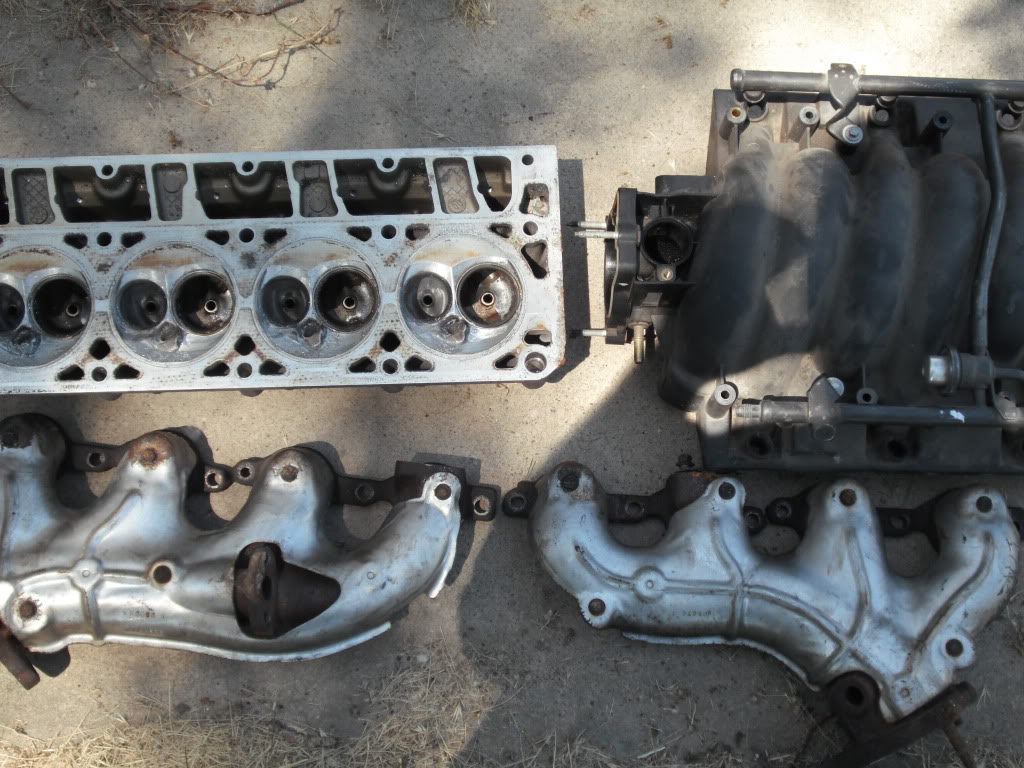
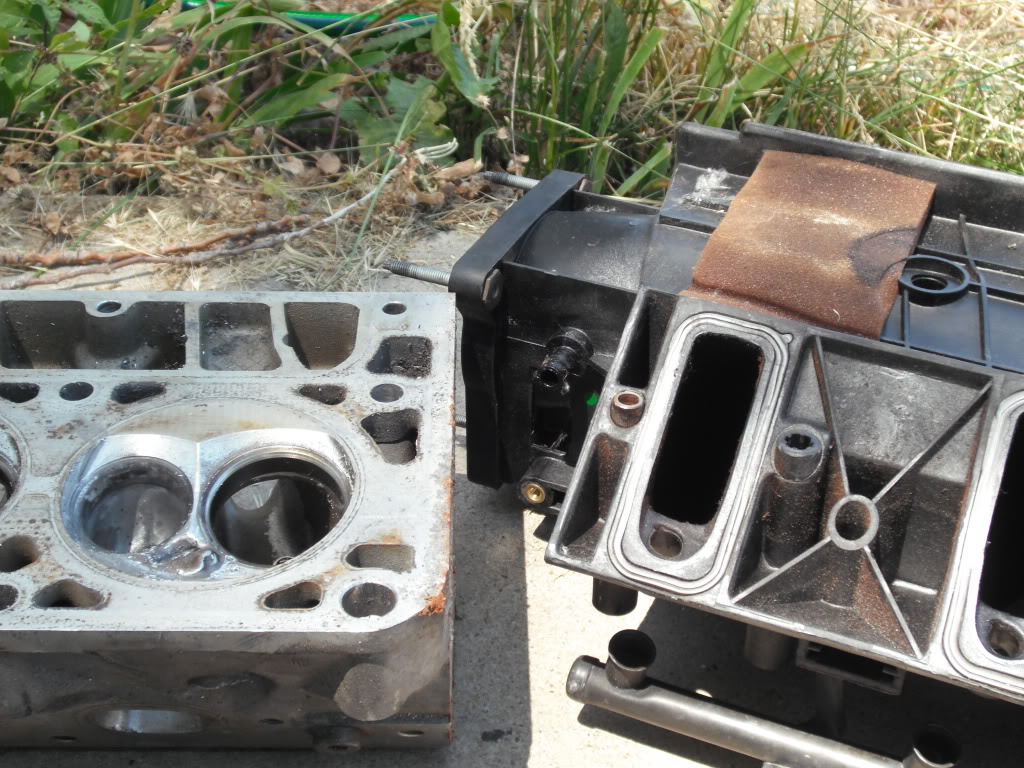
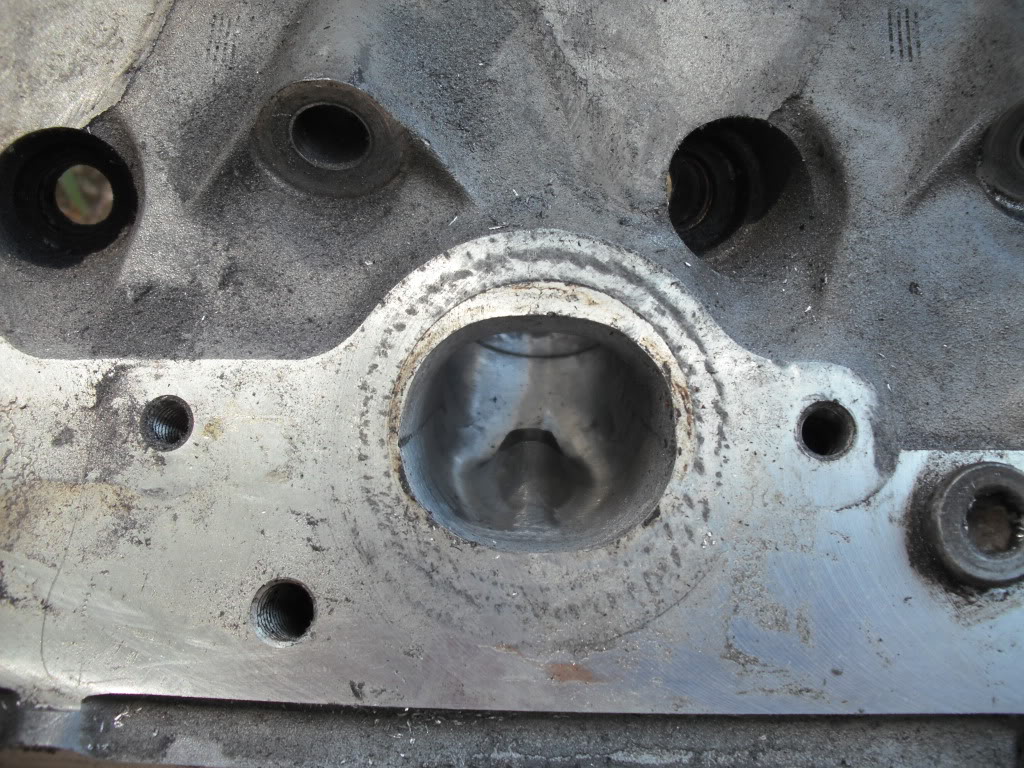
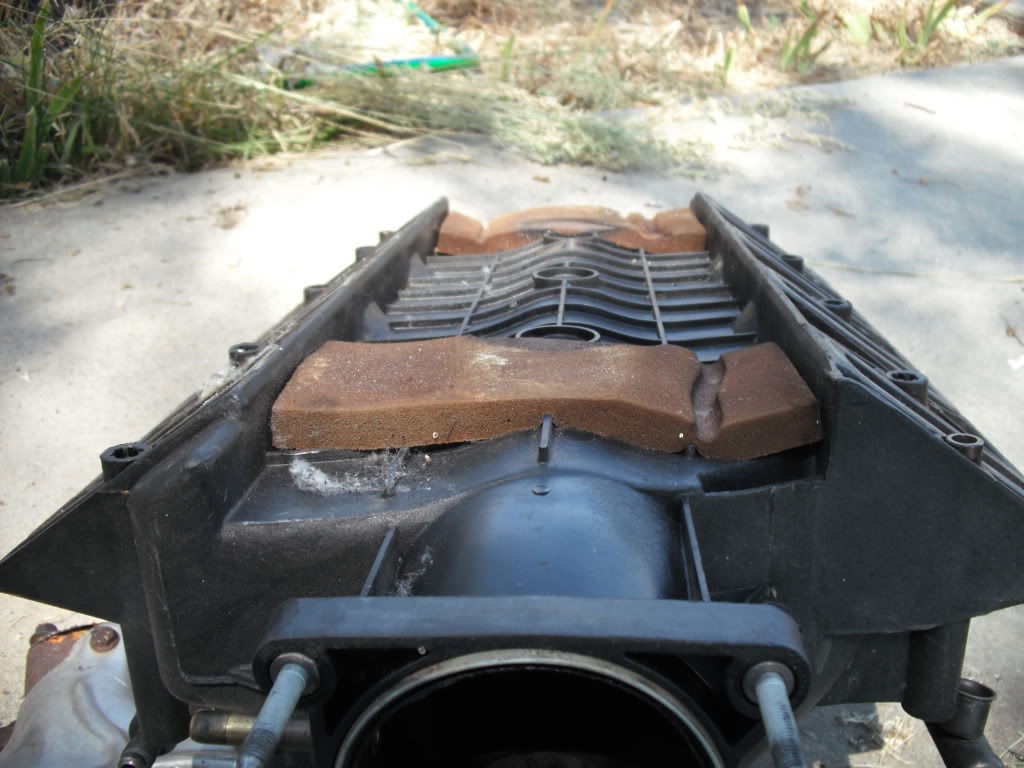
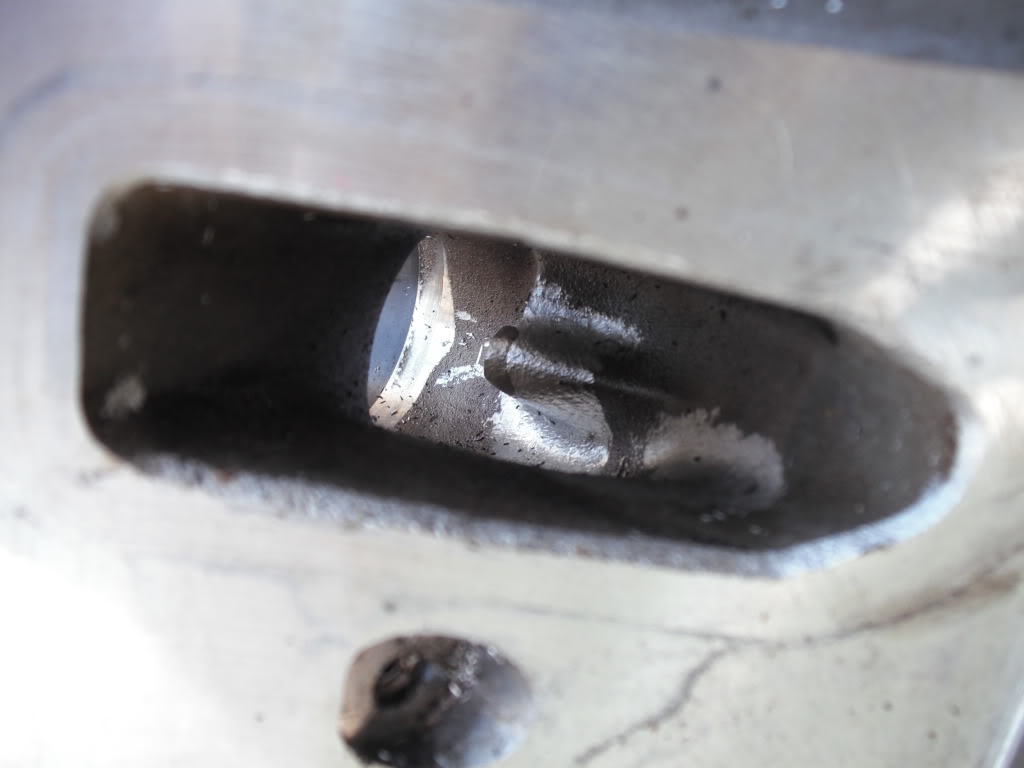
Uh-huh. I have this no-flowing intake manifold, these tiny little 1.89" intake valves, some excellent exhaust valves and ports, decent exhaust manifolds...
So, 224/220, 110-1 it is. Thanks for the first page of this thread, and not much else. Peace out.
So, 224/220, 110-1 it is. Thanks for the first page of this thread, and not much else. Peace out.
Thread Starter
TECH Senior Member
Joined: Mar 2004
Posts: 14,620
Likes: 17
From: BFE

A reverse split is not for you. So 224/220 is a BAAD choice.