When you click on links to various merchants on this site and make a purchase, this can result in this site earning a commission. Affiliate programs and affiliations include, but are not limited to, the eBay Partner Network.
Well, I have had a Quick Time Scattershield for some time now and I just rebuilt my T-56 (different thread) and installed a new RAM 9.5 Aluminum flywheel dual disk. Rated at 800ft lbs and only around $950.00 a great deal this is an awesome clutch, even now right out of the box it was a nice pedal feel not on/off.
Anyway back to the story:
So, the instructions talked about indexing aftermarket bellhousings. I never did that before and it was a new idea concept to me. So, I searched here and there and most people are like oh, you can't get the offset pins for a LS motor or you don't need to do it with Quick Times scattershield etc etc. Well, let me tell you BULLSHIT!
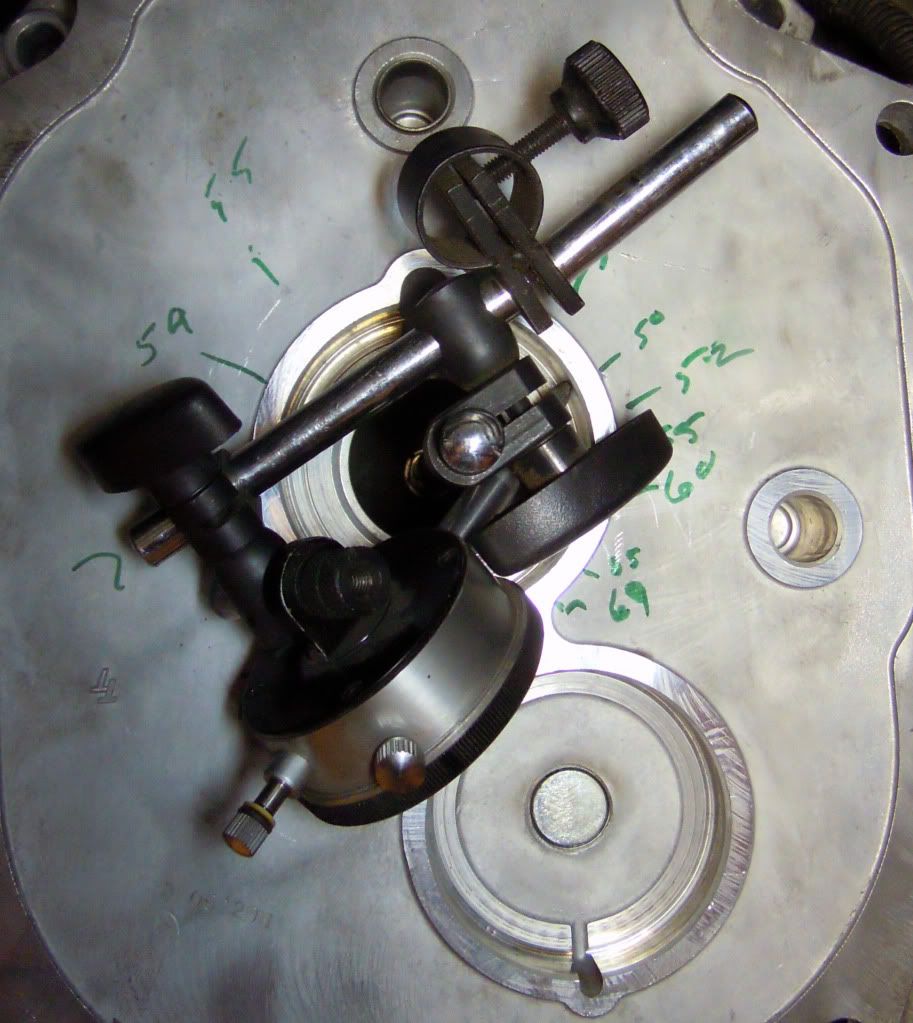
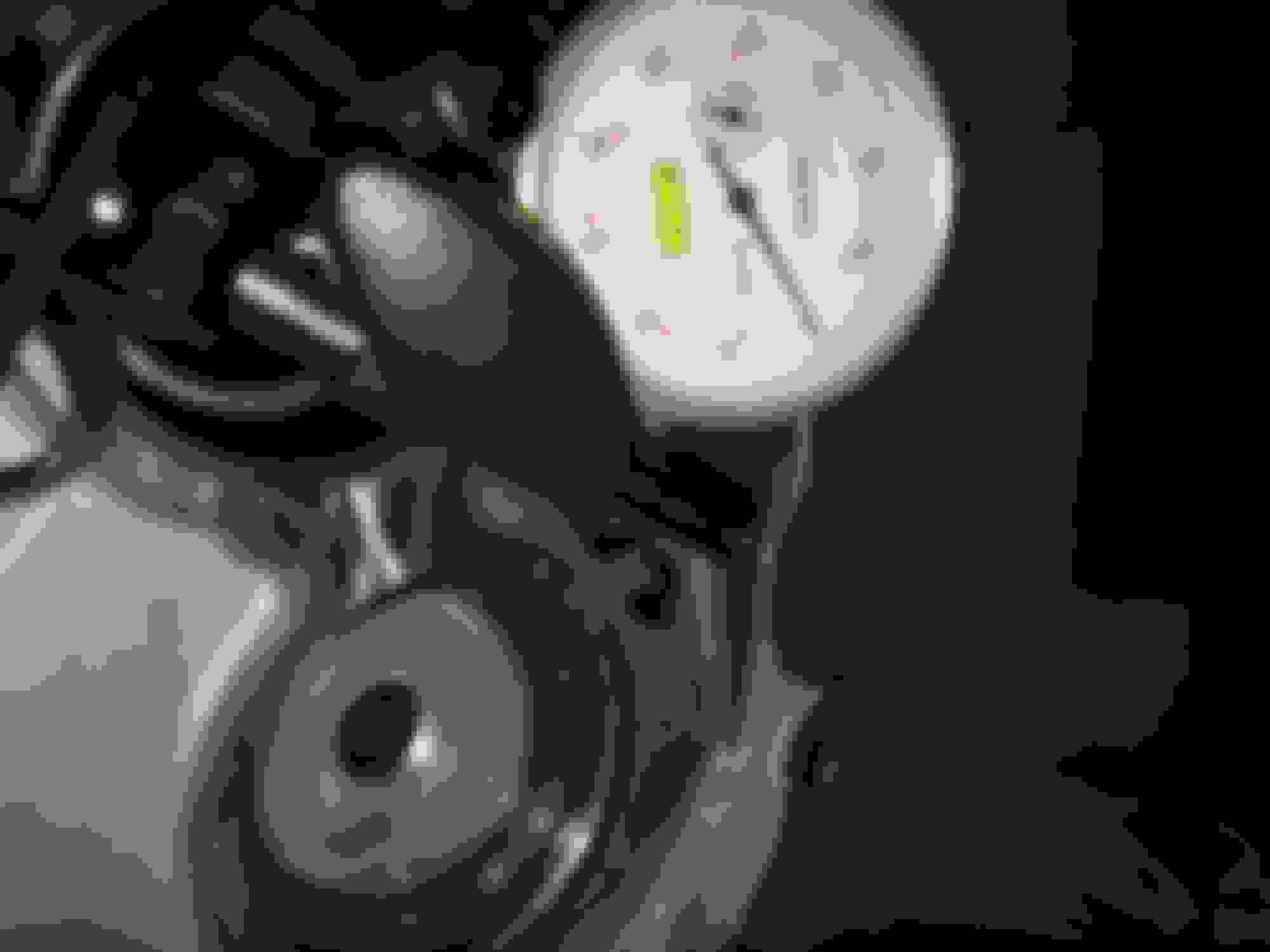
I stuck a dial indicator on the shield and it was so bad I couldn't tell which way to move it.
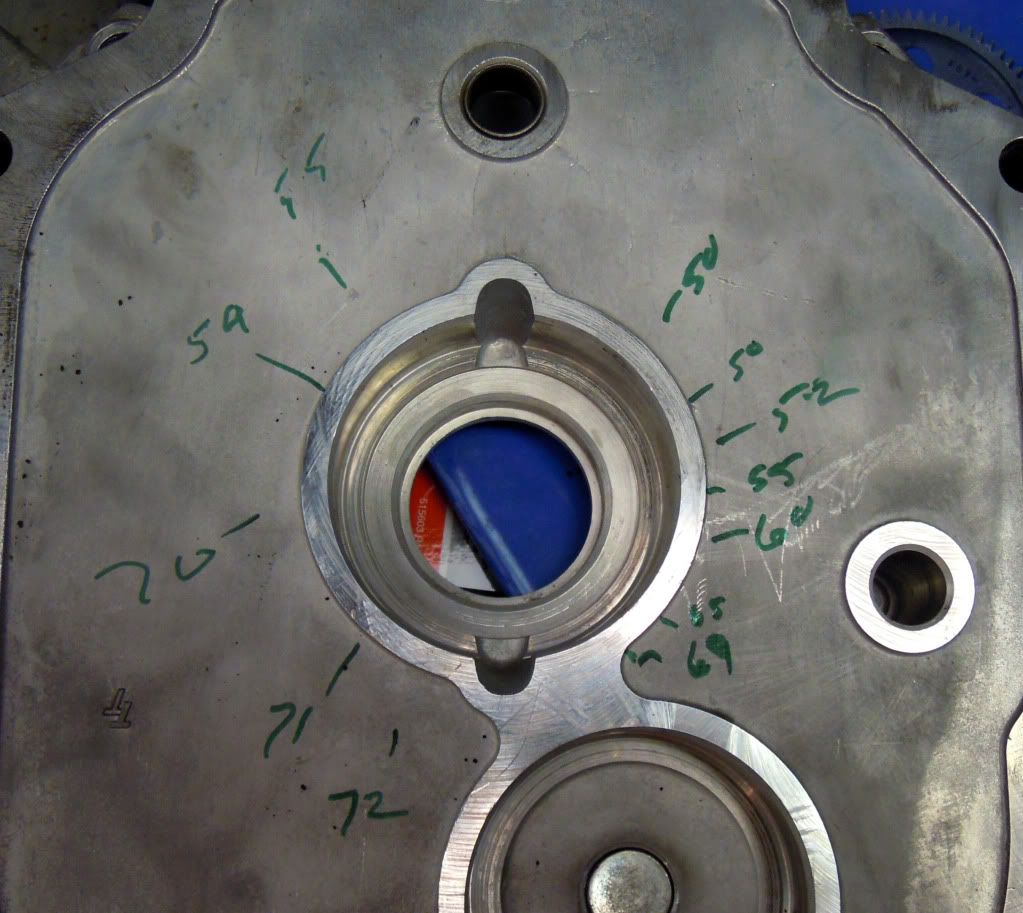
Luckily my tranny was apart so I mounted the tranny front plate to the scattershield and indexed off the input bearing race support.
Now the readings made sense.
Well, I was able to determine that I was like .022 off center. Thats an awful lot more than the .005 the spec calls for, so I ordered offset extra long pins. They only come in .007 increments so I need .014 as you need half of your total runout.
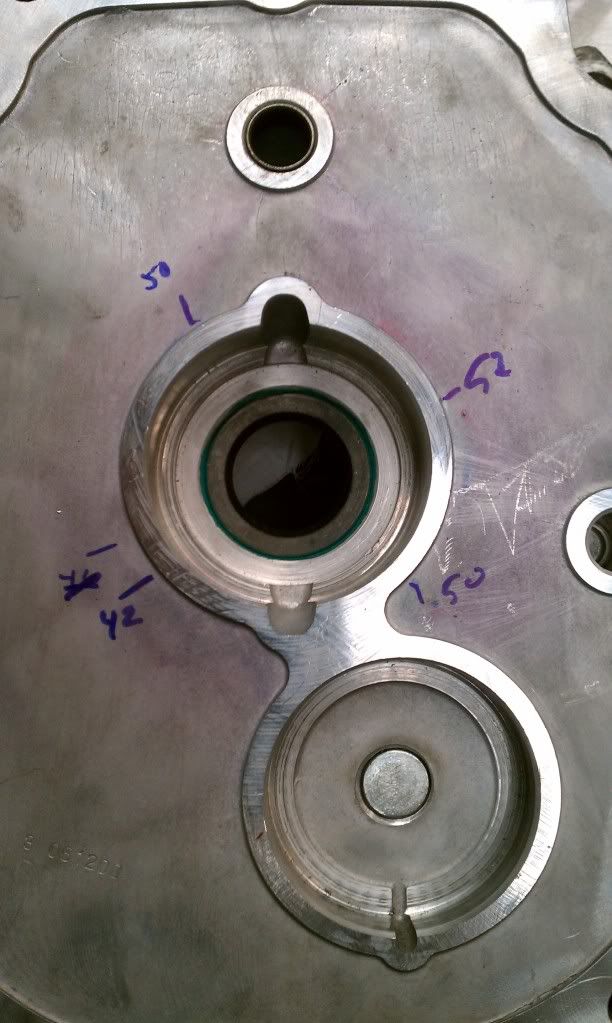
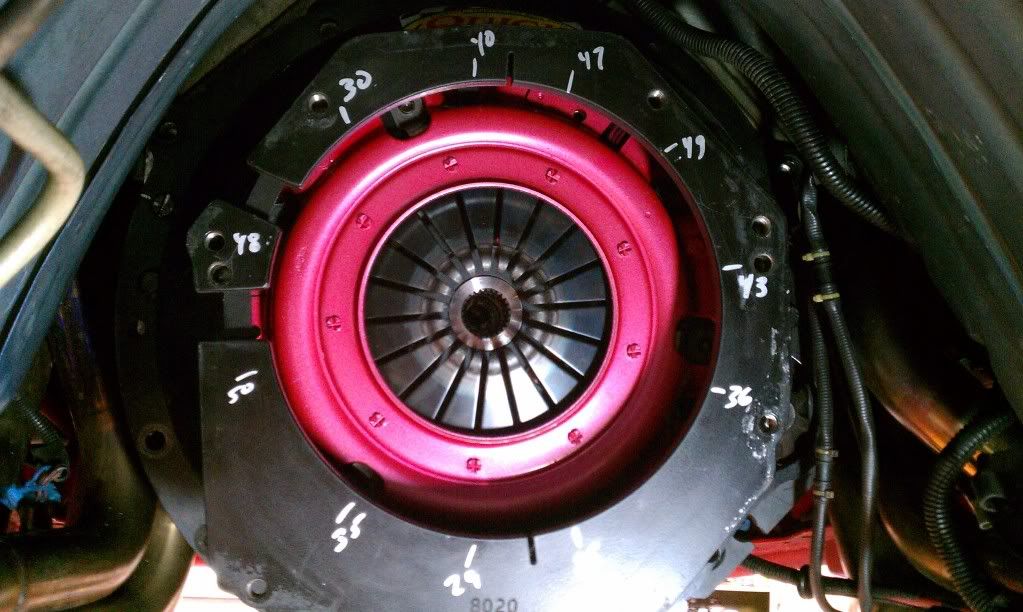
They came in and what a nightmare it is to find exactly where they need to go, it seems straight forward but I spend half the day spinning them around and remeasuring. It all finally came out and I was able to get just to the allowable spec. .010 total or .005 +/-
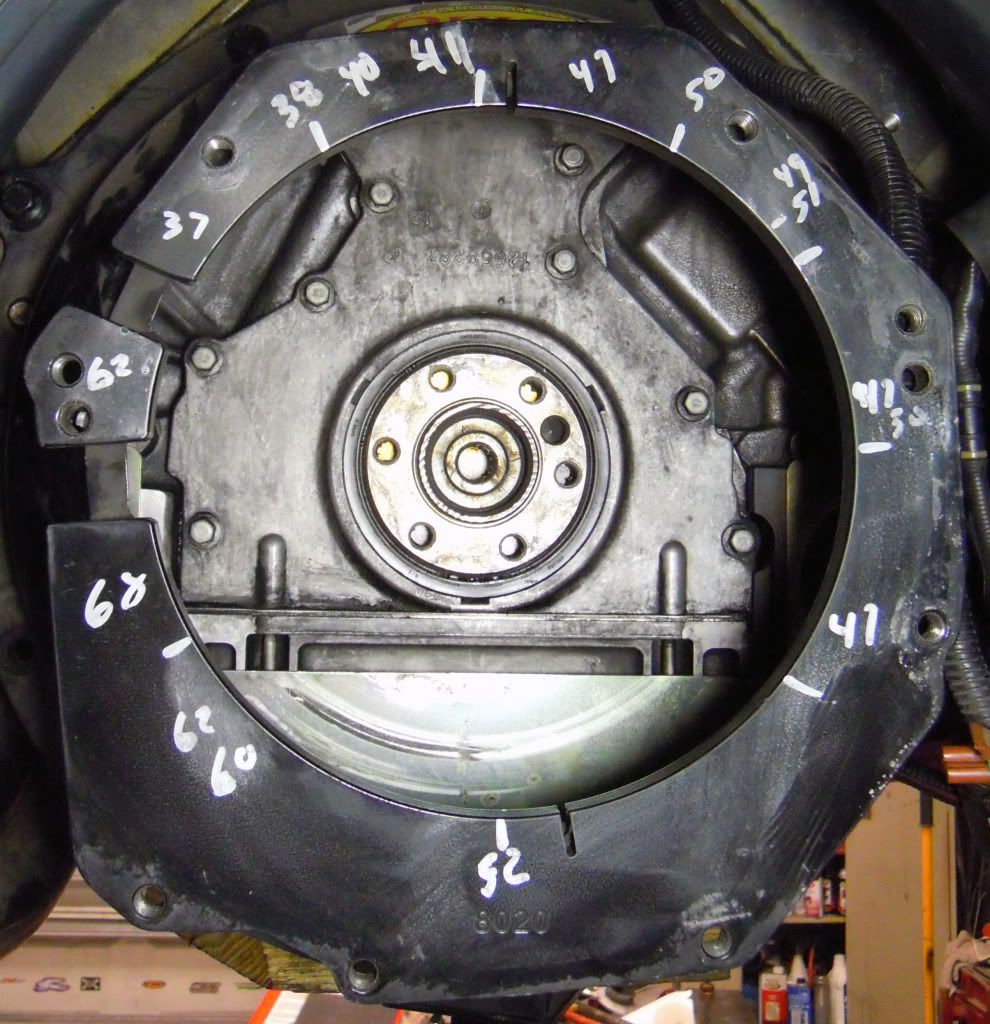
Look carefully at the final numbers on the scattershield, thats why I couldn't index off it is egg-shaped.
final note: I will always index my bellhousings/scattershields The amount it was off surely would have ruined something, clutch tranny etc.
ed
Yeah, I had to index my Quicktime Bell. The bell was sending my tranny into the pilot bearing so crooked that the input shaft was rubbing the inner bore of the slave cylinder. Solution was to install some moroso adjustable .007'' offset dowel pins to get me to .002'' misalignment. Total pain because I had to R&I trans a few times, and running the engine with a crooked input shaft for a few minutes bent my brand new disc, but protection is worth it i guess. Always measure to be safe...
Sorry for the question, but when and why is this required? What causes the warping?
The input shaft should ideally index dead centre of the crankshaft when all parts are bolted up.
When installing an aftermarket scattershield, measuring is what needs done to assure the amount of runout (distance the input mis-matches crank center) is not excessive.
In the above well documented example, he installed offset pins in the block to re-align the QT so the runout was within spec.
what were you measuring? from what to what? How could you do this if your trans wasn't apart? I put mine in and had no issues, but never measured either. But trans slid in perfect, sguare to bellhousing with no problems. But I need to pull trans back out again this winter, so I would like to measure it then. Thanks
Normally you only measure the bellhousing only. I had to measure the transmission front plate because the scattershield opening was egg shaped. Hopefully you won't.
You put a dial indicator on your crank flange or flywheel. I made a bolt on bracket because I already had the flywheel bolted on and it was aluminum and the dial indicator magnetic base won't stick. So anyway you mount the dial indicator to you crank and have it read off the bellhousing opening. You then rotate the crank and measure the total runout. You divide that half and the is the pin offset you need. You only need to worry if its over +/- .005.
You then need to install the pin so the opening is in the middle, ie equal runout on both side.
Ed
If you do this without the front plate of the trans, arent you only guaranteeing that the opening of the bellhousing is right? There is no way to tell if the opening is cut right or holes drilled in the correct place, right? It seems like there would be a better way to do it. So I would need to remove my clutch to measure for this? Thanks
Yes, your absolutely correct. You would only be measuring the bellhousing/scattershield cut opening. That is what is normally done. I only went farther because the bellhousing was egg shaped and I couldn't make heads or tails of what I had. Yes, clutch off flywheel either on or off.
Ed
Ok - I measured the bellhousing alignment. I used a JEGS dial indicator. Most dial indicators go to 100. This one goes to 50. I measure 16 on the indicator. Does that mean the alignment is off by .016 inches? Also, which dowel pins do I buy?
I think I finally have the quicktime bellhousing aligned within the .005 specs. For the longest time, I couldn't get the bellhousing to move to the right with the offset dowel pins. Then I noticed that the right bolt touches the bellhousing. I removed that bolt, and measure again. That made the difference, but I'm surprised that was the problem. Has anyone else experienced this?
Gas Monkey Built a 6-Wheel Ferrari Testarossa With a Corvette LT4 Engine
Slideshow: The controversial Ferrari F6 swaps its original flat-12 for a Corvette Z06-derived LT4 V8 and sends power to four rear wheels through a custom-built drivetrain.
7 Most Reliable High-Performance Engines GM Has Ever Built
Slideshow:These GM engines didn't just make huge power, they survived abuse, boost, track days, and six-digit mileage with a reputation for refusing to quit.
6 Common C5 Corvette Failures and What's Involved In Repairing Them
Slideshow: From wobbling harmonic balancers to failed EBCMs, these are the issues that define long-term C5 ownership and what repairs typically involve.
Retro Modern Bandit Pontiac Trans AM Comes With Burt Reynolds' Autograph
Slideshow: A modern Camaro transformed into a retro icon, this limited-run "Bandit" build blends nostalgia with brute force in a way few revivals manage.
Top 10 Greatest Cadillac V Series Performance Models Ever, Ranked
Slideshow: Cadillac didn't just crash the high-performance luxury vehicle party, it showed up loud, supercharged, and occasionally a little unhinged...
Coachbuilt N2A Anteros Is an LS2-Powered C6 Corvette In Italian Clothes
Slideshow: A one-off sports car that looks like a vintage Italian exotic-but hides a C6 Corvette underneath-just sold for the price of a new mid-engine Corvette.






 Indexing a Scattershield