When you click on links to various merchants on this site and make a purchase, this can result in this site earning a commission. Affiliate programs and affiliations include, but are not limited to, the eBay Partner Network.
So I have been doing a lot or research lately searching for options for a manual trans for medium hp application (600-800). I stumbled upon a guy in a mustang forum who was saying that tremec underrated torque capacity on their transmissions by half. He was claiming that a stock T56 is rated for closer to 800ftlb. Now I don't necessarily believe that but was more wondering if anyone else has heard of anything similar, or if this guy was just talking out his a**?
I'm pretty sure a stock t56 for a f body isn't rated anywhere near 800ftlb, but on the other hand I've seen people do it with success. On the nitrous I'm very close to that with no problems on the stock trans. It has a lot to do with how you drive it
A factory torque rating for a transmission is more about sustained load over an extended period of time, not the short term spike in torque that comes with engaging the clutch. The ultimate strength of a T56 is likely more than twice it's factory rating.
The typical hot rod kills a manual transmission with the clutch. Even a 250hp stock sbc can easily generate a 700+ft/lb torque spike when paired with an aggressive clutch, the extra torque comes from inertia energy that's stored in the rotating assy.
Rating for a stock Fbody T56 was 450 ftlb from memory.
I've launched it off the limiter spraying a 150 shot out of the hole on slicks (please run a blowproof bellhousing) on a heads/cam LS1 and never had an issue. 50K miles on the car and probably 150 passes or so, other than a bit notchy into 2nd (particularly when cold) no real issues. Could probably stand a synchro rebuild by now. The T56 is a stout trans, it should hold up well for you. Not sure about 800 ftlbs well, lol.
450 bla bla bla....fitted to what, used for what, how heavy etc etc ?
I'm sure in a 1500lb 2wd vehicle it could handle 1000lbft for years without a hint of trouble.
Put the same thing in a 450hp 5000lb vehicle and start dumping the clutch....of course it's going to be harder on things.
Context, application....they're important.
^^^^amen
I make 395 RWTQ to "flywheel" TQ is higher (what the tranny sees) in a 4200+ LB car running a MT ET Street. I don't really launch more than 2700 RPM, sometimes lower rpm) as the tracks I run at won't hold any more (Street Legal Test & Tune any ahole with $20 can run days with virtually no track prep). So far tranny has not broken...also have a McLeod Street Twin so the rear end sees a pretty good hit
IDK what my weakest link is behind the flywheel but my gut tells me if I ran a track with great prep and dumped the clutch off the line at 5k rpm....something behind the flywheel would go boom.
Is 450 TQ the "max" a T56 will take...I don't think so...but as the above post notes...."context and application"
does Tremac build in a - .5, x 1, 2 or 3 factor on their rating, IDK.
Without a buffer, a Street Twin is going to hit way harder than it needs to. Match the hit of the clutch a little above your engine's output, you won't have to worry about weight/traction killing your T56 even from a 5k launch on a good track.
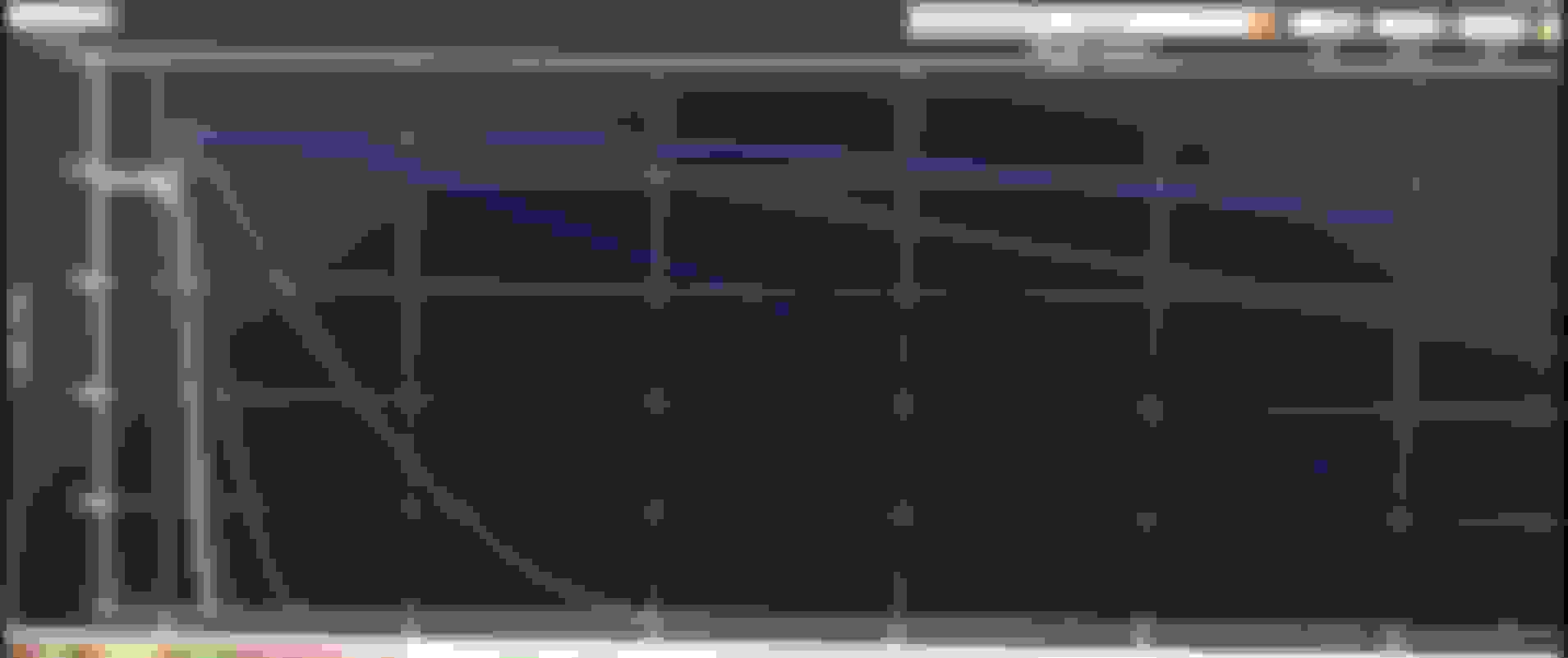
Here's a composite graph of hyd t-bearing pressure curves with an adjustable buffer installed on my clutch pedal. The lines basically represent the equivalent of instantly releasing the clutch pedal to a certain "Initial Hit" point, then slowly releasing the pedal from that point on...
The horizontal part of the above graph basically represents "Delay", or how fast the clutch's reserve clamp pressure comes in. That's also adjustable...
A buffer can eliminate the need for a perfectly trained left foot. The first buffer I ever used was made from a hydraulic screen door closer purchased 7 years ago from a hardware store for less than $20. It has 10 "turns" of adjustment and made this delay graph...
Good info and interesting concept Weed (btw I love your name haha). What twin disc were you using throughout the testing? And any chance you have pics regarding the Buffer?
Gas Monkey Built a 6-Wheel Ferrari Testarossa With a Corvette LT4 Engine
Slideshow: The controversial Ferrari F6 swaps its original flat-12 for a Corvette Z06-derived LT4 V8 and sends power to four rear wheels through a custom-built drivetrain.
7 Most Reliable High-Performance Engines GM Has Ever Built
Slideshow:These GM engines didn't just make huge power, they survived abuse, boost, track days, and six-digit mileage with a reputation for refusing to quit.
6 Common C5 Corvette Failures and What's Involved In Repairing Them
Slideshow: From wobbling harmonic balancers to failed EBCMs, these are the issues that define long-term C5 ownership and what repairs typically involve.
Retro Modern Bandit Pontiac Trans AM Comes With Burt Reynolds' Autograph
Slideshow: A modern Camaro transformed into a retro icon, this limited-run "Bandit" build blends nostalgia with brute force in a way few revivals manage.
Top 10 Greatest Cadillac V Series Performance Models Ever, Ranked
Slideshow: Cadillac didn't just crash the high-performance luxury vehicle party, it showed up loud, supercharged, and occasionally a little unhinged...
Coachbuilt N2A Anteros Is an LS2-Powered C6 Corvette In Italian Clothes
Slideshow: A one-off sports car that looks like a vintage Italian exotic-but hides a C6 Corvette underneath-just sold for the price of a new mid-engine Corvette.






 Tremec torque underrated?